

4 min readJun 13, 2026 08:10 AM IST
First published on: Jun 13, 2026 at 08:10 AM IST
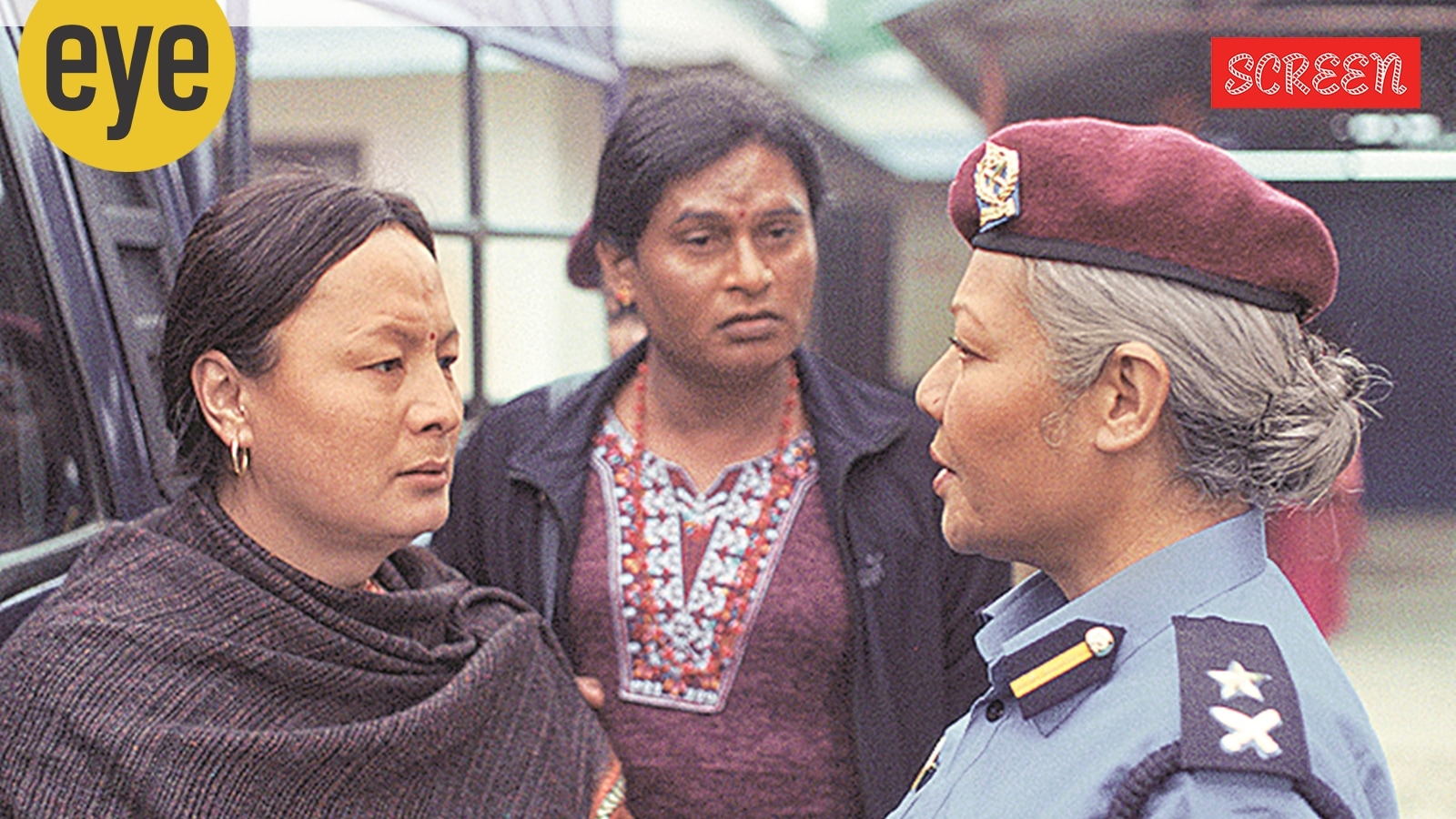
When the strikingly atmospheric film Elephants In The Fog won the Un Certain Regard Jury prize at the recently concluded Cannes film festival, it was a moment: the first film from Nepal to have been officially selected at the festival going straight into the winners list; it was no less than a dream coming true.
It may be set in a small village among the members of the Kinnar community, which stretches across the South Asian nations of Nepal, Bangladesh, Pakistan and India, tapping into its rules and rituals, but at heart, it is a film about love and belonging. Specific yet universal, in the way the best films are. The Metis or Kinnars (called Hijras in India) have traditionally struggled for acceptance and a life of dignity, denied on the basis of them not fitting in: It’s only in the last few years that legal recognition of the ‘third gender’ has begun. It is against this backdrop that films featuring the community have their own struggle: how do you create authenticity while showing a group of people who have been forced into adopting exaggerated claps, one of their distinctive features, and ultra-colourful attire to be able to stand out, as well as fit in? How does a filmmaker gain trust in an atmosphere of distrust, which has hardened lines over generations?

When we meet the day after the award, both director Abinash Bikram Shah and producer Anup Poudel — as well as other members of the ecstatic team, are recovering from the celebrations that stretched well into the morning. The two, who have worked closely together for over 15 years, recount how they discovered the Kinnars through their vibrant Tik Tok channels during Covid. Through NGOs like Blue Diamond who’ve worked extensively with the Kinnars and trans people in Nepal, they found the people they were looking for, and won their trust over a period of time: that rare insider access, the comfort between the people being filmed and those behind the camera, is clearly evident in the film.
Also Read – Elephants in the Fog review: Nepal’s Cannes Jury Prize winner is quietly powerful
I ask them how they are feeling after creating history, and both have thoughtful answers, the elation laced with the exhaustion that goes hand in hand with making independent cinema with ‘a certain regard’, the cobbling together of development funds and post-production support (the film is a co-production between Nepal-France-Germany-Norway-Brazil ) and other roadblocks.
“We were having champagne in the green room, and our names were called, and my first reaction was, we did it,” says Poudel, “As a creative producer, my work lies in finding and supporting stories that are not heard in mainstream cinema, even if it is very difficult to work in the international arena.” The work that goes into researching and trying to find funds. The news of the selection. The standing ovation and the tears. It’s all so clear in the Shah’s emotional response to the award, which he, like the other members of the cast and crew, is still processing.
“It could easily have turned into an ethnographic film, but I didn’t want that. From my childhood I have been fascinated with families, and it shows in all my writing,” Shah says, “During our research we saw how strong the ties were between the Guru Maa and the rest, so I wanted this film to be about mothers and daughters.” And that is the central concern of the film: when your own family abandons you, and you are taken into another fold, there to find the love and affection missing in your life, you create your family. It is not about bloodlines, it is about finding your tribe.
That’s been a running thread in the other films revolving around the ‘third gender’ and the numerous sub-groups within that label. Kalpana Lajmi’s 1997 Darmiyaan, with Arif Zakaria in a striking central role, remains one of the best representations of the third gender. More recently, in Cannes itself, Saim Sadiq’s Joyland (2022) won both the Jury prize as well as the Queer Palm for the best LGBTQi-themed film.
And Elephants In The Fog takes that much-need, crucial conversation further down the road.


