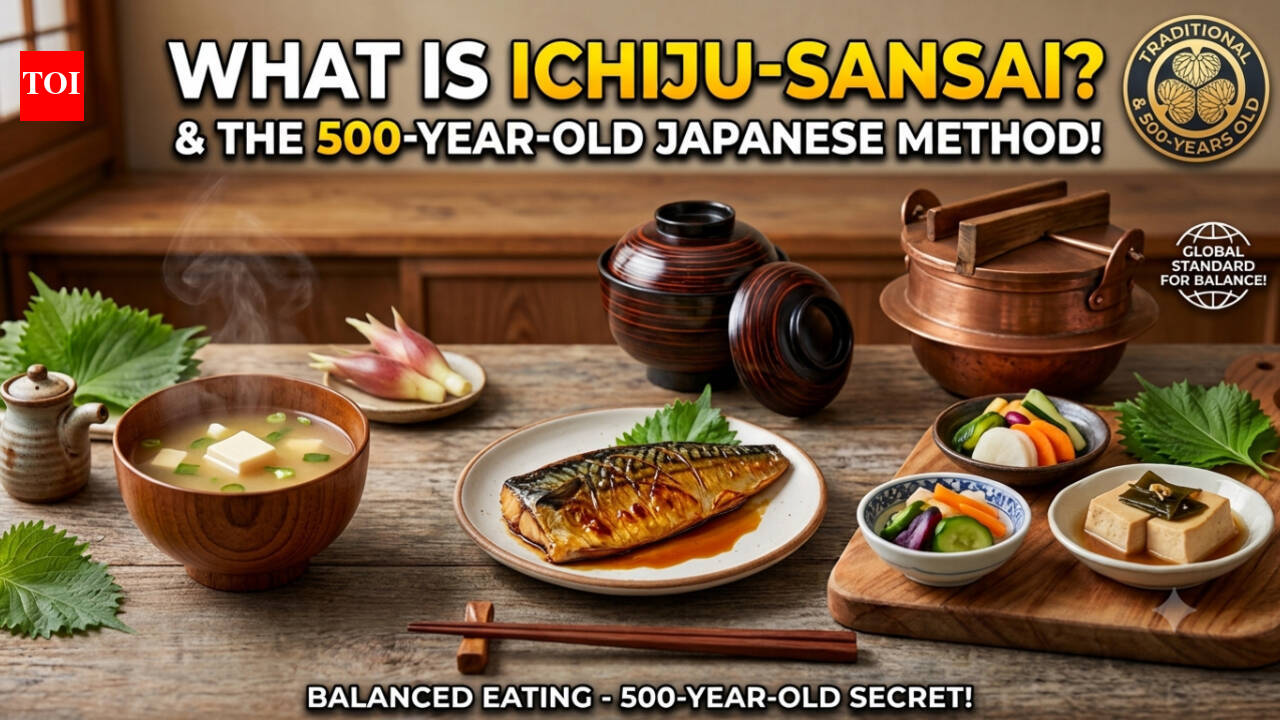
In a world ruled by trends, social media and picture-perfect presentation, ancient traditions often remind us that old is gold and is the right way of living a sustainable life. When it comes to ancient food traditions, the concepts remind us that a meal is more than just a way to satisfy hunger. It is a reflection of culture, balance, and the relationship between humans and nature. Long before terms like portion control and calorie-deficit diet were introduced, traditional societies developed their own wisdom around mindful eating. One such idea that defined the wisdom of Japanese culinary identity is Ichiju-Sansai, a 500-year-old Japanese method of balanced eating. Scroll down to learn more about it.
What is Ichiju-Sansai?
It is a traditional Japanese meal structure that translates to “one soup, three dishes.” According to expers, it is a centuries-old approach to balanced eating in Japan that focuses on moderation, and seasonal ingredients rather than strict calorie counting.The meal consists of three things
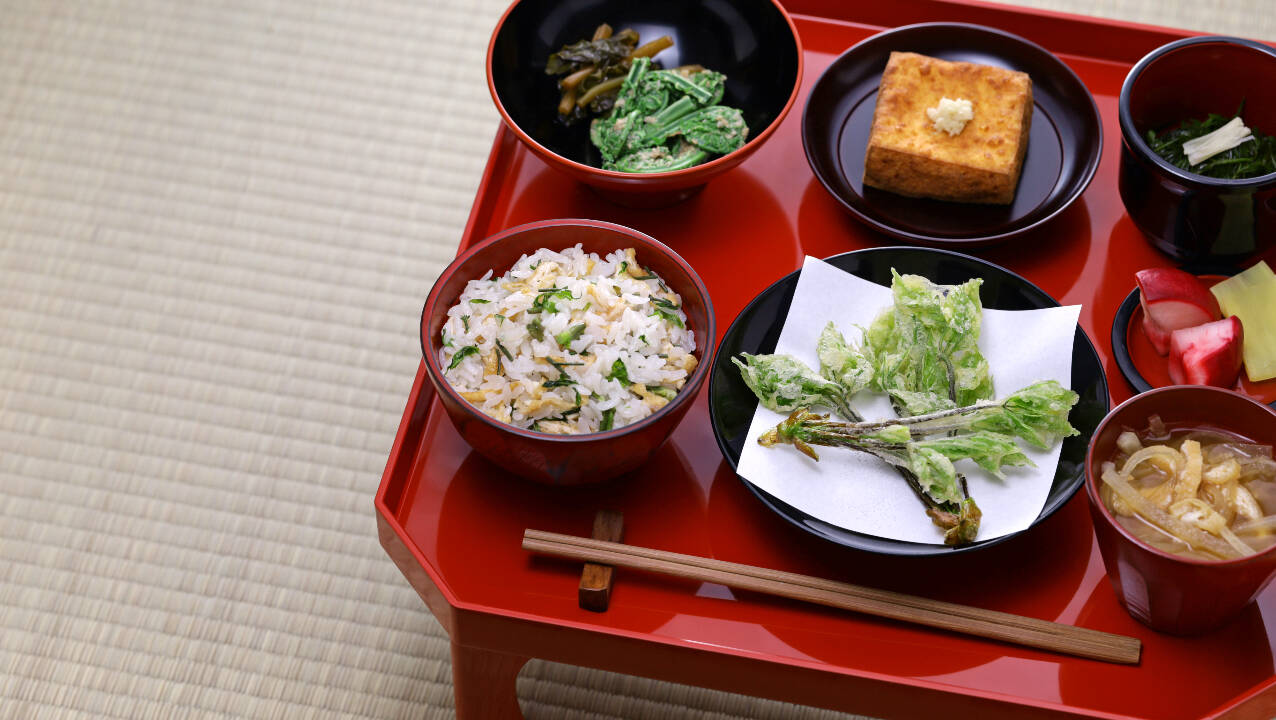
One Soup: It is usually a miso soup made with vegetables, tofu, or seaweed.One main dish: This is typically rich in protein and uses grilled fish, chicken, tofu, or eggs as a key ingredient.Two side dishes: These are more vegetable-based dishes, pickles, seaweed, or legumes that add colour and texture.Rice: The complete meal is complemented with steamed rice, although it is not included in the literal translation of “one soup, three dishes.”
Why does Ichiju-Sansai make you feel full
According to experts, the way the meal is designed makes you chew more, taste more variety, slow down naturally and sends a signal to your brain of more satisfaction with a lesser meal.
Why is Ichiju-Sansai considered healthy?
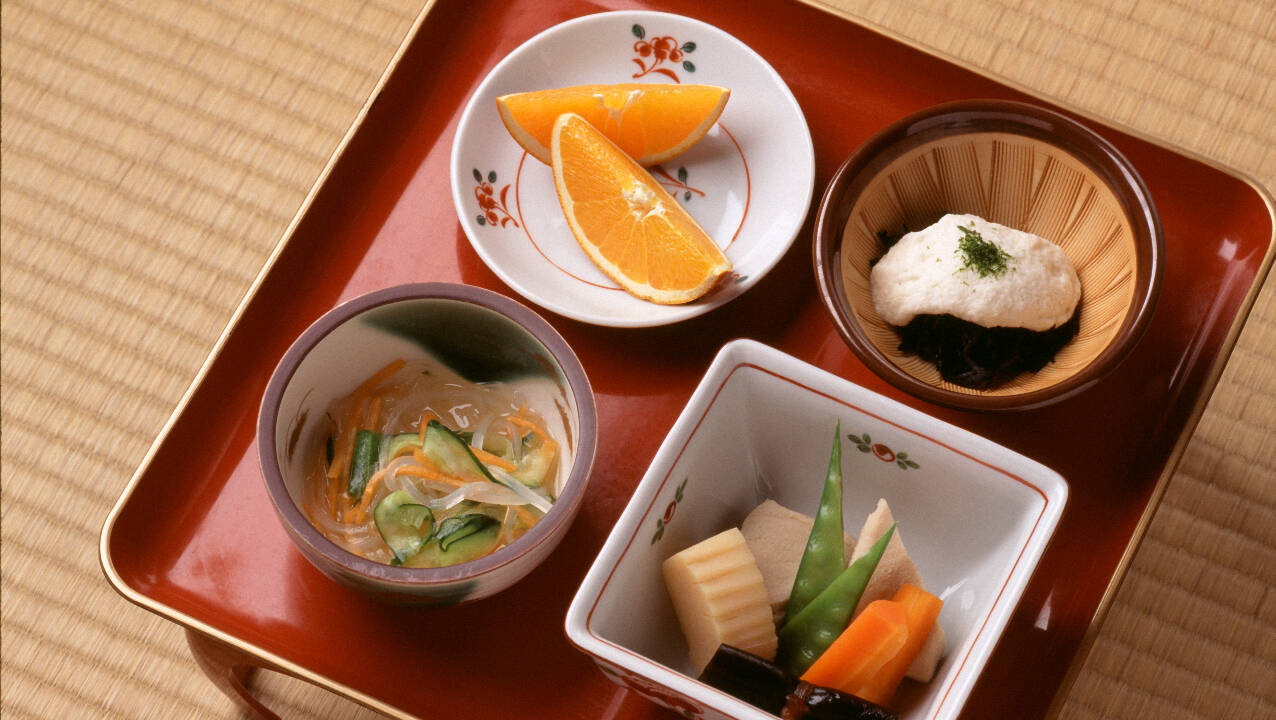
Experts believe that the Ichiju-Sansai style of eating naturally promotes a balanced diet by including foods from different food groups. It is said to offer a good balance of carbohydrates, protein, healthy fats, vitamins, and minerals. It is said to have a lot of veggies, which increases your fiber-intake and and moderate portion sizes help prevent overeating. Also, the meal uses diverse cooking methods such as steaming, simmering, grilling, and pickling, reducing reliance on deep-frying, which makes the meal interesting.According to experts, portion control is a crucial aspect of this meal, which makes it a healthier choice. In this, food is divided into several smaller dishes, encouraging people to eat slowly and appreciate each flavor. This can help improve satiety and reduce the likelihood of overeating.
History of Ichiju-Sansai
According to historians, the concept of Ichiju-Sansai dates back more than 500 years, evolving during Japan’s Muromachi period (1336–1573). It is believed to be influenced by Zen Buddhist traditions and the formal Japanese meal known as honzen ryōri. Over the years, it became the most practical and nutritious way of eating that helps people stay fit and active. It is said that many Japanese households still adhere to the principles of Ichiju-Sansai, although the specific dishes may vary depending on the season and region.
Importance of seasonal ingredients
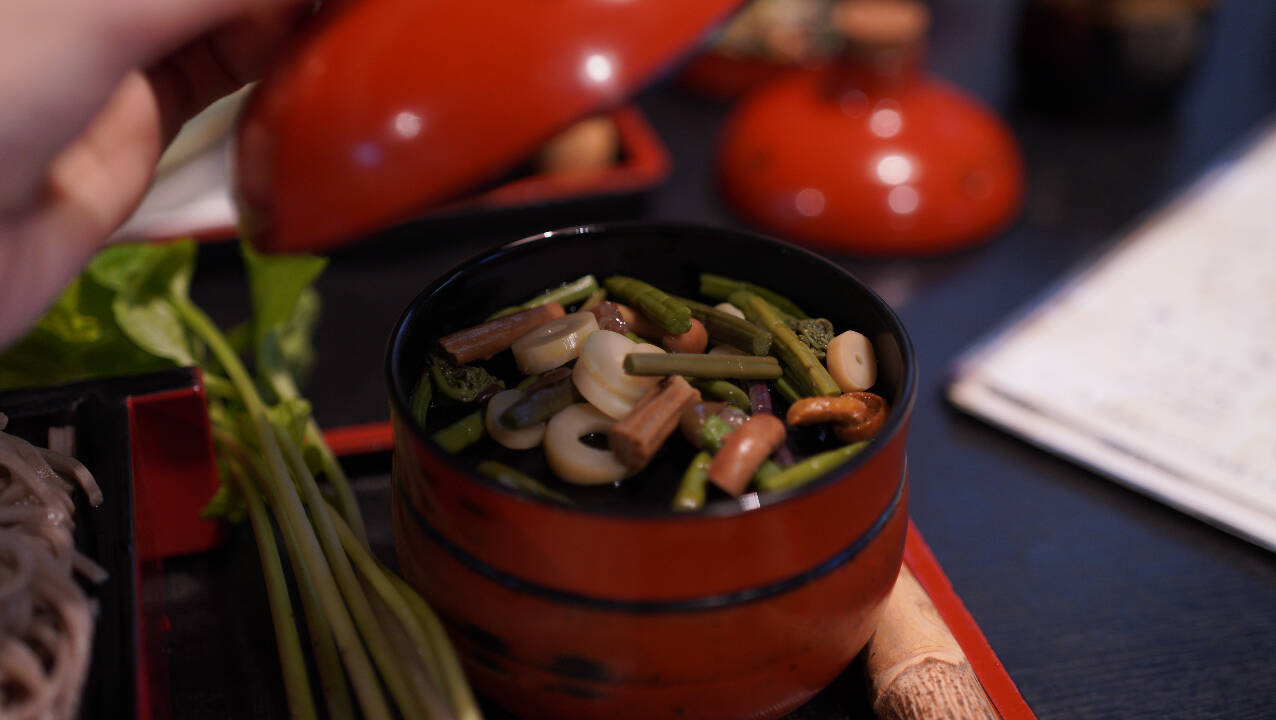
Experts say that one of the most interesting aspects of Ichiju-Sansai is the use of seasonal ingredients. For example, spring meals include bamboo shoots and fresh greens, summer brings cucumbers and tomatoes, autumn features mushrooms and sweet potatoes, while winter meals often incorporate root vegetables and hearty soups. While this might read as normal to many people, according to studies, eating seasonally not only enhances flavor but also supports dietary diversity throughout the year.
Is it possible to follow Ichiju-Sansai outside Japan?
It is believed that the same principle of eating can be followed outside Japan too. All you need to do is add a bowl of soup, grilled chicken or paneer, 2-3 veggies such as sautéed spinach and roasted carrots and a bowl of brown rice.
Can vegetarians follow Ichiju-Sansai ?
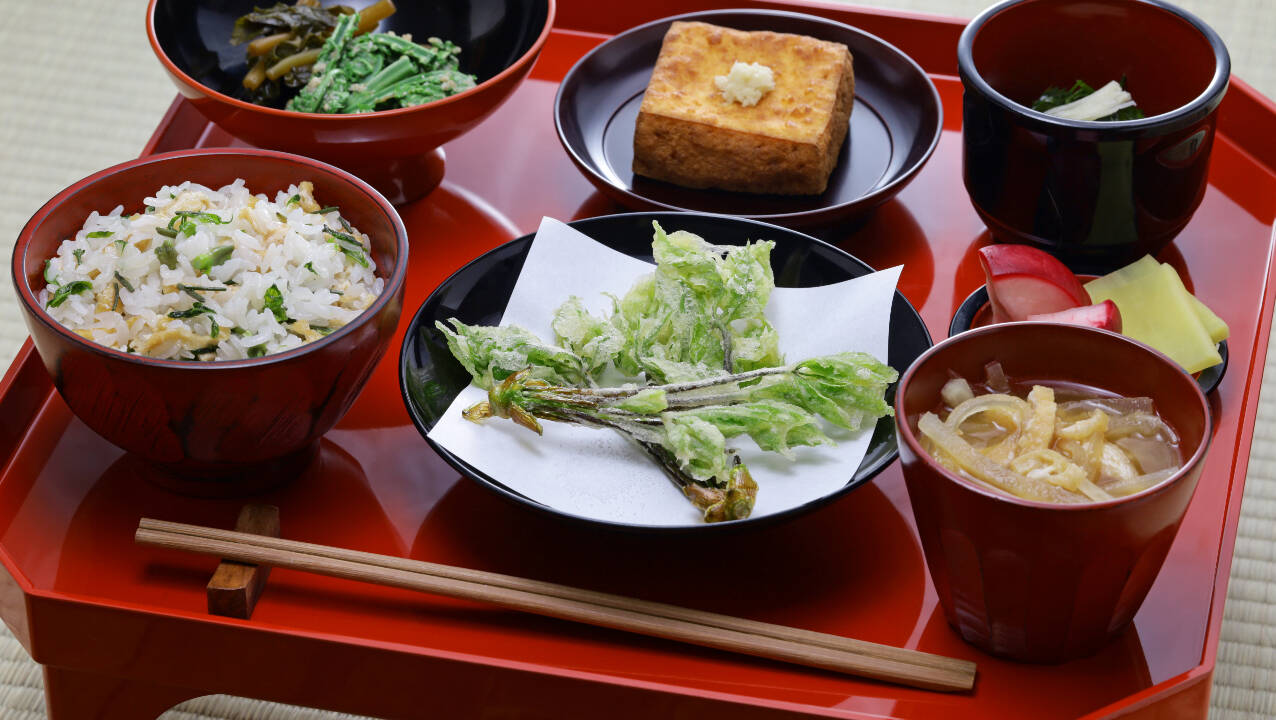
Yes, while the idea of a Japanese meal might sound like it is apt only for non-vegetarians, experts feel that the idea is easily applicable for vegetarians. Vegetarians can replace fish or meat with tofu, tempeh, edamame, beans, or other plant-based proteins.
What does it teach us
According to food and health experts, this centuries-old approach teaches us that nourishment does not come from excess, but from variety, moderation, and awareness. It helps us understand that in the era of crash diets and quick solutions, Ichiju-Sansai offers a timeless lesson, where wellness begins when we learn to respect our food, understand our choices and find harmony in the everyday act of eating.