The US government is barring a Chilean cabinet minister and two other officials from being able to enter the country, part of a diplomatic rebuke over Chile’s trade ties with China including a proposed undersea cable that could link them.
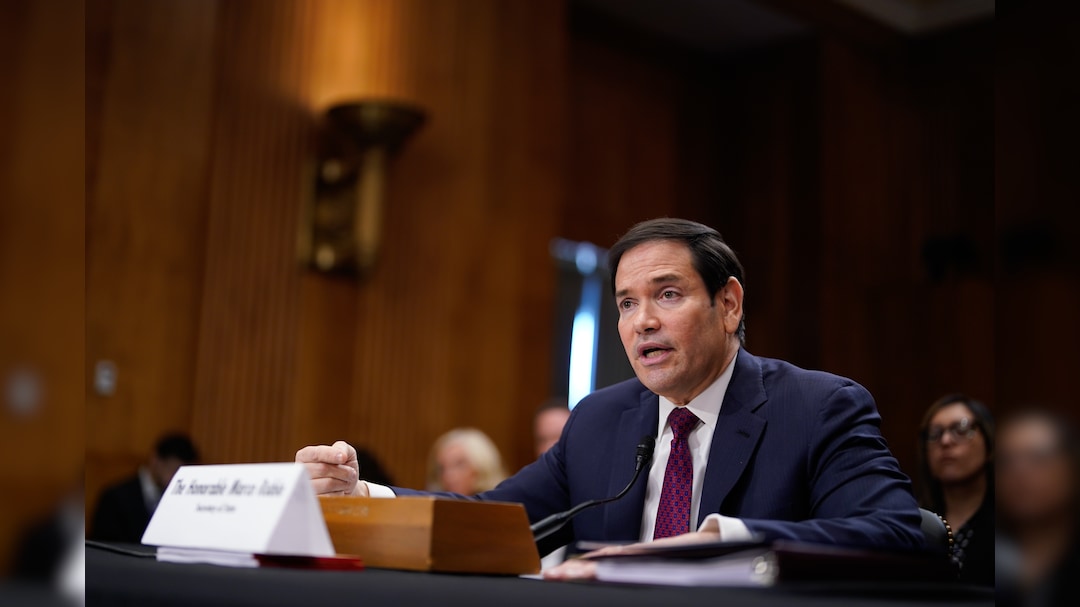
US Secretary of State Marco Rubio accused the Chilean officials of undermining regional security in a brief statement released on Friday, triggering individual travel bans.
“These individuals and their immediate family members will be generally ineligible for entry into the United States, and any US visas held by them have been revoked,” according to the statement which did not name them.
The rare move comes less than a month before the inauguration of right-wing President-elect José Antonio Kast, a close White House ally.
At a press conference, Chile’s Foreign Minister Alberto van Klaveren explained that the US concerns relate to a request by two private companies to lay a submarine cable linking Chile to Hong Kong.
“The US government believes that cable could in some way pose a threat to its security,” van Klaveren said. He added that the proposal made by Chinese companies remains in an early stage and a final decision has not yet been made.
Chile’s Transport and Telecommunications Minister Juan Carlos Muñoz confirmed that he is among the three officials targeted with the visa cancelations. The identity of the other two officials targeted is unclear.
The officials “knowingly directed, authorized, funded, provided significant support to, and/or carried out activities that compromised critical telecommunications infrastructure and undermined regional security in our hemisphere,” according to the statement attributed to Rubio, which also took a swipe at outgoing leftist President Gabriel Boric.
Citing the confidentiality of visa records, a US official previously indicated that the names would not be disclosed.
Muñoz, widely seen as a technocrat, has led Chile’s efforts to become a digital hub by establishing a series of undersea cables to shore up connectivity. The latest project, cited by the minister in his remarks on Friday, is co-financed by Alphabet Inc.’s Google and will run from Chile to Australia.
The minister stressed that “we don’t discriminate with respect to the origins of different projects and analyze them based on their own merits,” adding that such projects can’t be approved if they threaten Chile’s sovereignty or national security.
Warning Sign
The US and Chile have close ties despite a fraught modern history stemming from the 1973 US-backed military coup. The South American country is the only nation in the region that has a US visa waiver, meaning its citizens generally don’t require a visa to travel to the US. At the same time, China is Chile’s top trading partner, mostly reflecting copper purchases.
In an earlier statement, Chile’s foreign ministry expressed surprise by the visa cancelations and rejected the US accusation that it had compromised “the security of the continent or third countries.” It described the US announcement as out of step with its historic ties to Washington, which it sees as a “strategic ally,” and it further noted that van Klaveren had summoned US Ambassador Brandon Judd to explain the reasons behind the decision.
In his own statement, incoming Foreign Affairs Minister Francisco Pérez Mackenna said it would not be appropriate to comment before Kast takes office on March 11, adding that more information is needed to analyze the US measure.
“As the incoming government, we will make every effort to ensure that foreign policy allows for the best possible relations with all countries,” he said.
Rubio is expected to attend Kast’s inauguration next month.
“This is a warning sign that should not be taken lightly,” said Patricio Navia, a political scientist at New York University. “The growing confrontation between China and the US is putting South American countries between a rock and a hard place.”
Chile might be forced to take sides, he said. “It is in the best interest of Chile to remain friends with the US and keep strong trade and cooperation ties with China. Having to choose sides would be devastating for Chile.”
ALSO READ: Trump Announces ‘10% Global Tariffs’, Says US Supreme Court Swayed By Foreign Interests
Essential Business Intelligence,
Continuous LIVE TV,
Sharp Market Insights,
Practical Personal Finance Advice and
Latest Stories — On NDTV Profit.