2 min readUpdated: Jul 16, 2026 05:22 PM IST
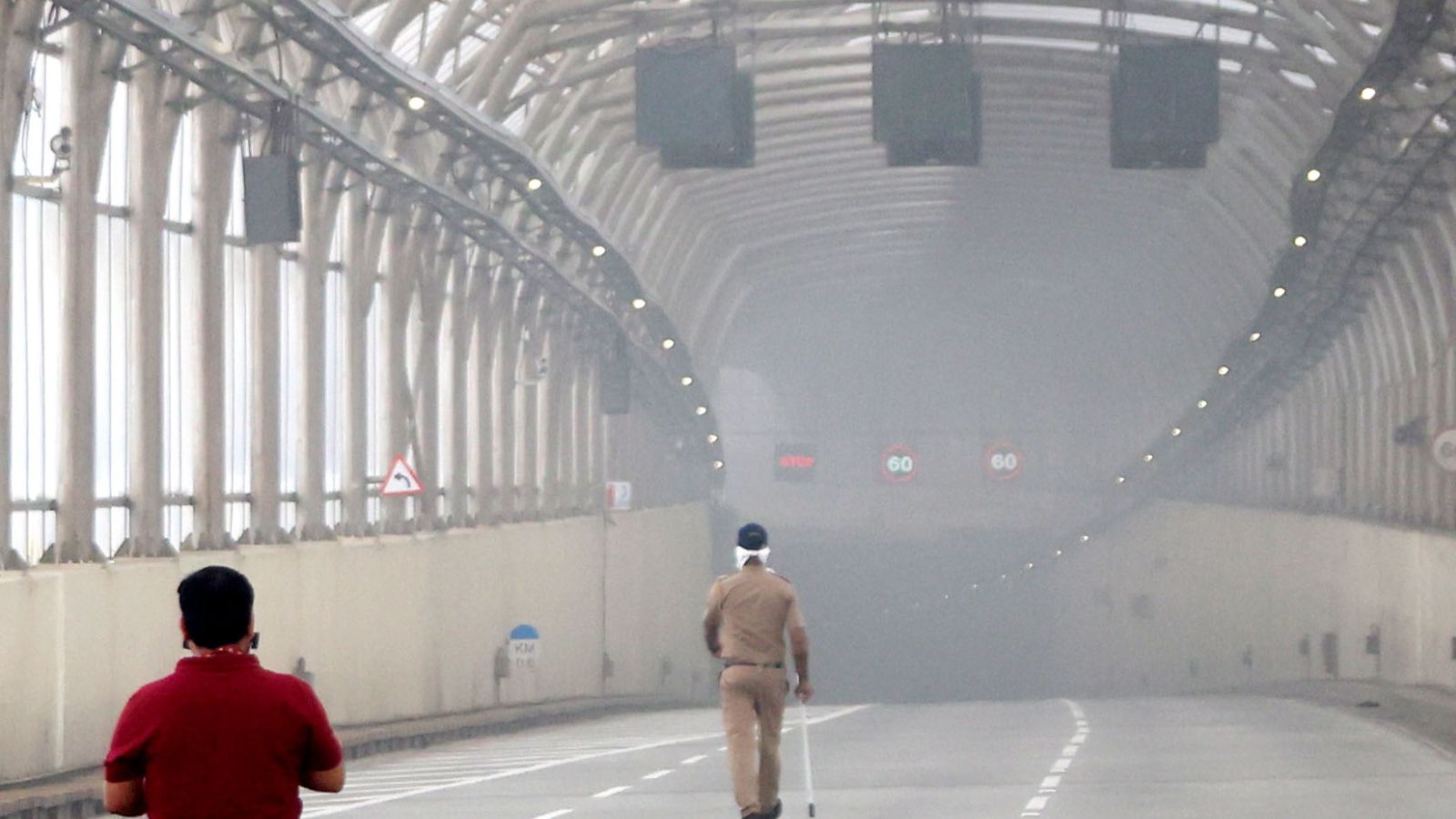
When a car caught fire inside Mumbai’s Coastal Road tunnel on Wednesday, several motorists abandoned their vehicles and ran towards the exit in panic. Officials now say the confusion highlighted a gap not in the tunnel’s safety infrastructure, but in public awareness of the emergency systems built into India’s first undersea road tunnel.
The Brihanmumbai Municipal Corporation (BMC) is now planning additional colour-coded signages to make emergency exits and safety equipment easier to identify.

If there’s a fire, what should you do?
Use the nearest cross passage, not the tunnel exit. The 2.07-km tunnel has six cross passages at intervals of about 300 metres, connecting the two tunnel bores. Four are meant for pedestrians and two for vehicles, allowing people to move safely into the parallel tunnel during emergencies such as fires, vehicle breakdowns or medical incidents. Currently, each cross passageway can be identified through a unique illuminated signage system which is affixed upon emergency doors.Don’t block the emergency lane. The third lane inside the tunnel is reserved for emergency vehicles. Officials said many motorists attempted to reverse or make U-turns during Wednesday’s fire, blocking the lane meant for rescue operations.
Call for help. Emergency telephones and portable fire extinguishers are installed every 30 metres inside the tunnel. During Wednesday’s fire, stranded commuters used these phones to alert the control room.
The tunnel detects fires automatically. Apart from emergency calls, the tunnel is equipped with a linear heat detection system that automatically alerts the Coastal Road control room. The tunnel also has pressurised fire hydrants and a Saccardo ventilation system that helps clear smoke during emergencies.
Officials said the additional signage planned after Wednesday’s incident is aimed at ensuring motorists can quickly identify escape routes and emergency equipment if a similar situation arises again.