4 min readNew DelhiJul 18, 2026 11:30 AM IST
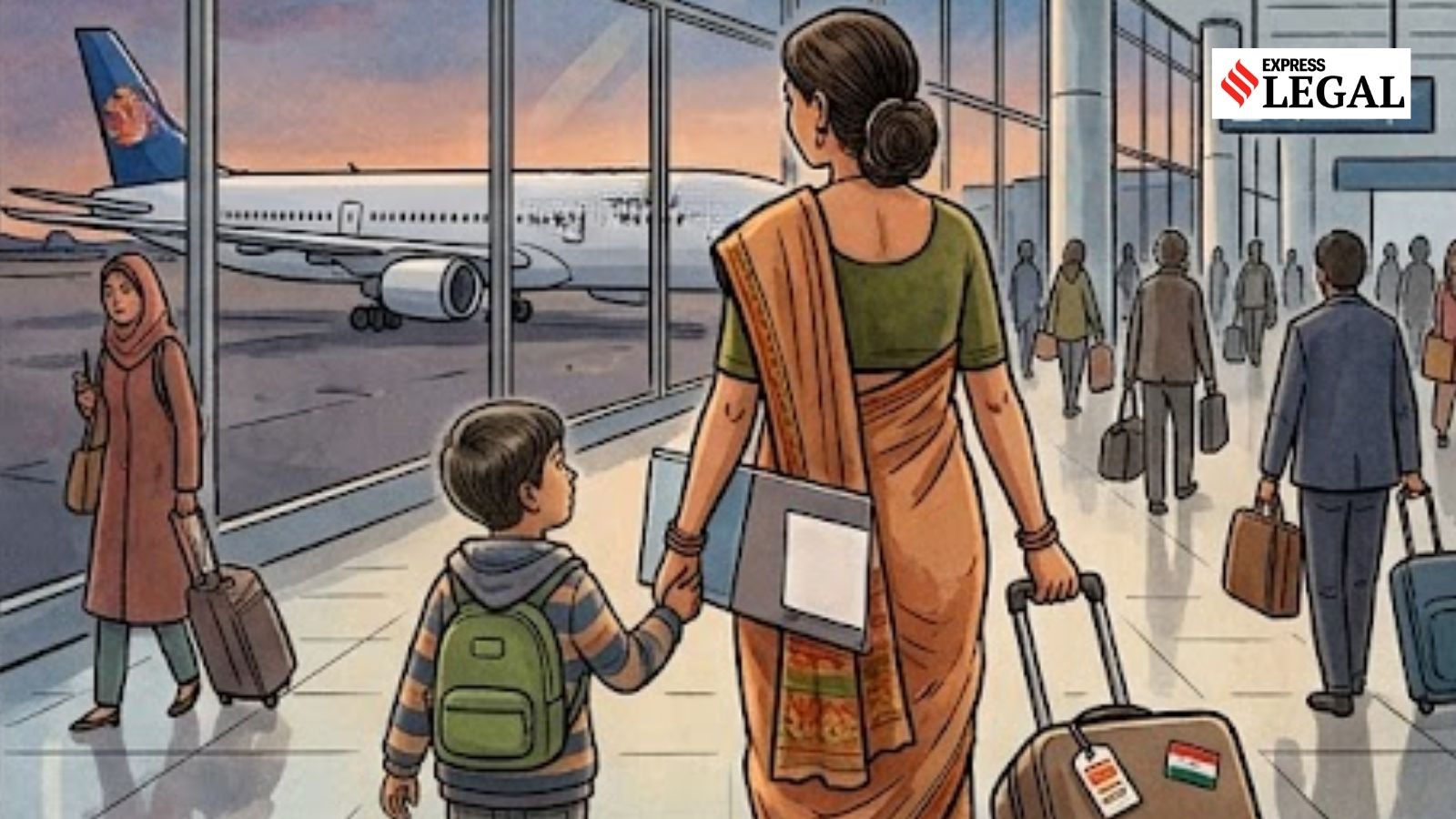
Declaring a mother the sole guardian and granting permanent custody of her minor child, the Madras High Court has observed that there was no material to suggest she was disqualified, incapable, or unfit to care for the child. The court also allowed her to take the child to Canada for education and better care.
Justice A D Maria Clete observed that the absence of a formal visitation between the estranged couple cannot stand in the way of orders necessary to secure the child’s welfare, custody and educational future.

“In proceedings relating to guardianship and custody, the welfare of the minor is the paramount consideration. The rights of the parents, though relevant, are subordinate to the child’s welfare, stability, security and educational prospects,” the July 10 order noted.
The key issue before the court was whether, in the child’s best interest, the mother should be declared the sole guardian of the minor child, granted permanent custody of the child, and allowed to take the child outside the court’s jurisdiction, including abroad.
 Justice A D Maria Clete, considering the younger child’s age and educational future, allowed the mother to take him with her to Canada.
The estranged couple had solemnised marriage in September 2016, and had their son born in January 2019. After marital disputes, the couple began living separately; the woman and the child had been living with he parents. She informed the court that the father had not consistently been contributing to the child’s upbringing, expenses or education.
When the mother sought to take the minor with her to Canada to secure better care and educational opportunities, the father did not cooperate by furnishing the consent and other documents required for the child’s visa and schooling.
The mother had produced all the requisite documents before the court, including a marriage certificate, school documents and identity proof copies of the respondent’s earlier divorce petition and the petitioner’s maintenance proceedings. A legal notice was served on the father, and he in person had appeared before the court stating that he had no objection to the mother being the sole guardian, but sought visitation rights. Later, he filed a consent affidavit, and the matter was referred for recording evidence.
Story continues below this ad
‘Father’s visitation plea to be decided separately’
The court noted that the mother approached it seeking a guardianship order to facilitate the child’s care, education and travel. It observed that the child’s visa, school admission and other academic requisites in Canada required parental documents, which were being delayed due to the absence of a clear guardianship.
Significantly, the earlier judicial orders had recorded that the father had no objection to the mother being declared the sole guardian of the child, retaining custody, though he sought visiting rights. Therefore, it said that there is no remaining dispute on the core issue of guardianship and custody.
The court held that granting the mother sole guardianship and permanent custody would be in the best interest of the child. It noted that the father’s request for visitation rights should be dealt with separately, either by mutual arrangement or by appropriate application. It should not delay the decision affecting the child’s welfare, custody and educational future.
The court declared the mother the child’s sole guardian, granted her permanent custody, and permitted her to take the child outside India for travel, residence and education. It clarified that the father is free to seek visitation rights before the competent court or to work out a mutual arrangement, with the welfare of the child as paramount consideration.
Story continues below this ad