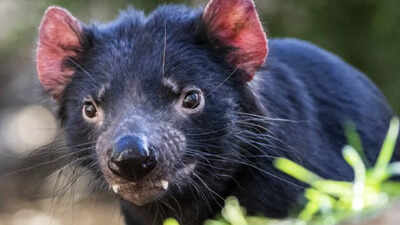
In 2012, 28 Tasmanian devils were brought to Maria Island off Tasmania’s east coast as an “insurance population” when facial tumour disease was severely affecting the species. The devils have since thrived, with their numbers reaching up to 90. But their success has been linked to a major decline in local wildlife, including the disappearance of a little penguin colony that once had about 3,000 breeding pairs.Maria Island had been free of predators for thousands of years, according to ABC news. This made it a safe place for ground-nesting and flightless birds, including the Tasmanian native hen, shearwaters, Cape Barren geese and little penguins.The facial tumour had severely affected devil populations in many parts of Tasmania. With healthy animals needed to help protect the species from the impact of the disease, a group was moved to Maria Island.The population grew well after the release. There are now up to 90 devils on Maria Island. But as the devils became established, conservationists raised concerns about what their presence meant for species that had evolved without mammalian predators on the island.
Little penguin colony disappears
Before the devils were released, Maria Island was home to an estimated 3,000 pairs of little penguins, according to Eric Woehler of BirdLife Tasmania.That changed after the devils became established. A survey carried out by Parks and Wildlife staff found that all the little penguin colonies on Maria Island were empty.“A survey was conducted by Parks and Wildlife staff about 18 months ago … and they found that all of the penguin colonies on Maria Island were empty,” Woehler said as qouted by ABC.Little penguins are the smallest of all penguin species. Maria Island had provided them with a breeding site away from threats such as feral dogs and cats.
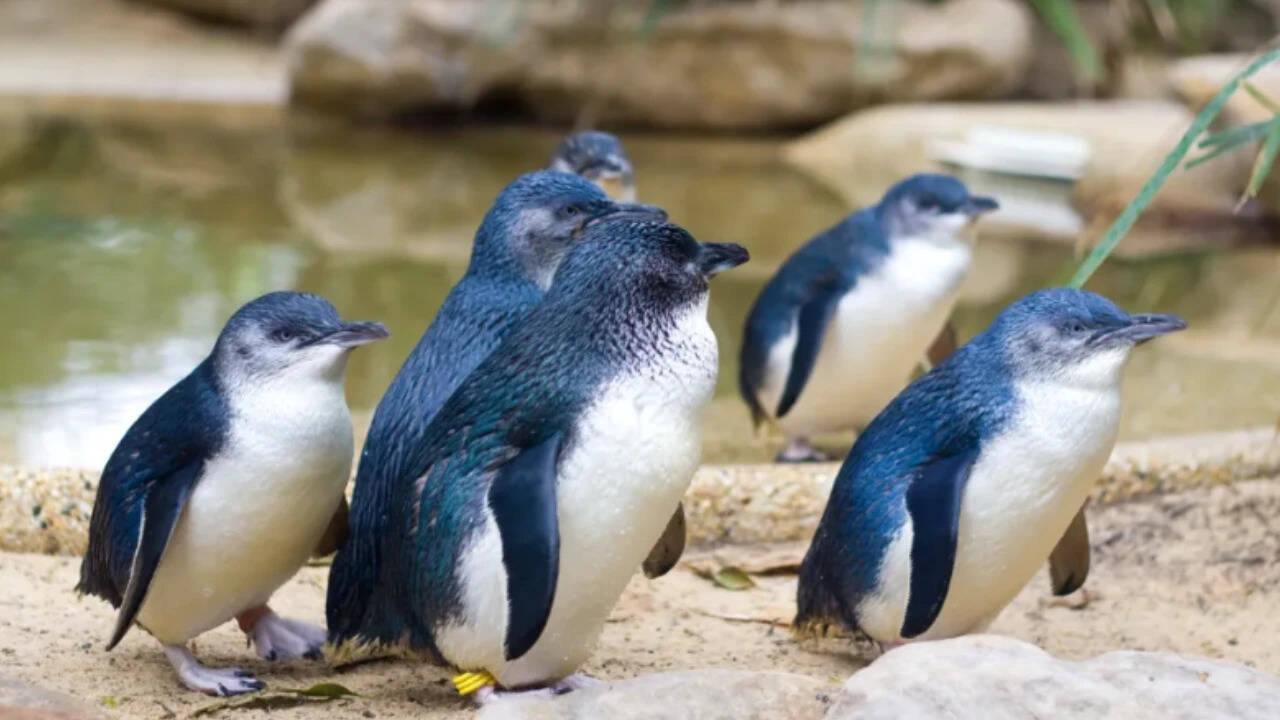
Before the devils were released, Maria Island was home to an estimated 3,000 pairs of little penguins
Conservation groups had warned about the risk
Woehler said conservation groups had warned the Department of Primary Industries, Parks, Water and Environment before the devils were introduced in 2012.According to Woehler, the concerns were based on what had happened when predators were introduced to oceanic islands elsewhere.“For the last 500 or more years, every time we’ve seen a deliberate or accidental introduction of a predator onto an oceanic island, the result has been the same- a catastrophic impact on one or more species of bird,” he said.“We suggested that the outcome of this particular introduction on Maria would follow what has been seen without fail everywhere else in the world, and sadly we were right,” he added.The Tasmanian Government, however, continued to consider Maria Island an important part of its Save the Devil Program. A spokesperson for the department said the devil population was being managed to reduce its effect on the island’s ecology.The department also said conservation programmes had to change as scientific knowledge and priorities developed. “All effective conservation programs are adaptive and the STDP will continue to evolve in line with new knowledge in science and emerging priorities.”
Debate over whether devils should stay
Woehler argued that the measures to reduce the ecological impact had not worked and called for action to give the little penguins an opportunity to return.“Losing 3,000 pairs of penguins from a national park on an island that should act as a refuge for the species is clearly a catastrophic impact,” he said. “One could only hope the devils are removed as quickly as possible.”The debate is complicated by the continuing threat to Tasmanian devils themselves. Although the species’ population in Tasmania had stabilised in recent years through breeding programmes and research into facial tumour disease, experts said the animals remained at risk.Bruce Lyons, an expert in Tasmanian devil facial tumour disease, said removing the Maria Island population would be premature because another type of tumour had emerged.“There’s a second tumour type that’s arisen … and the effects of that, we really don’t know what will happen,” Lyons said. “At this stage it would be prudent to keep them where they are.”