3 min readMumbaiUpdated: Feb 4, 2024 04:37 PM IST
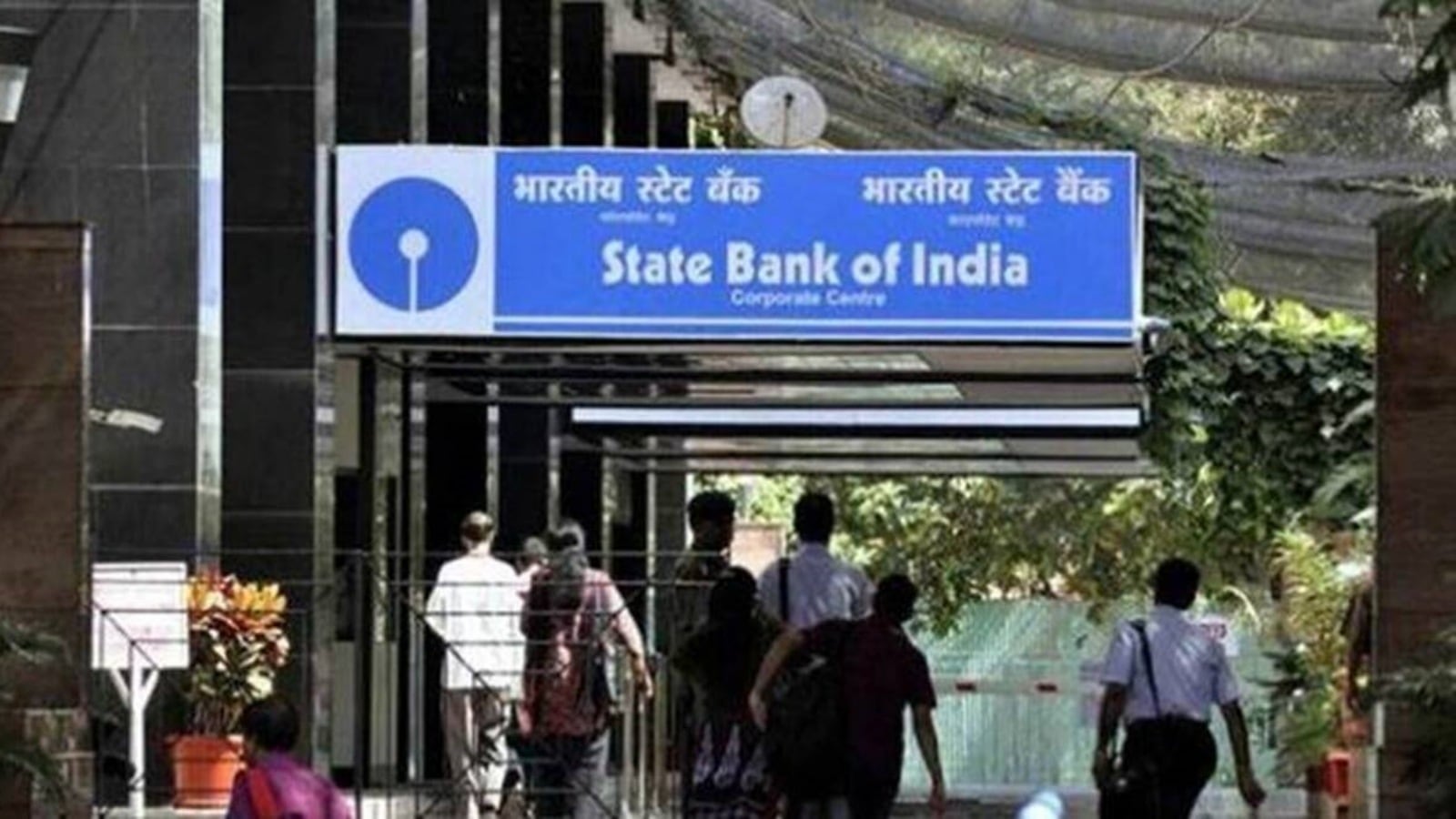
State Bank of India (SBI), India’s largest bank, has reported a 35.5 year-on-year decline in standalone net profit at Rs 9,163.96 crore for the quarter ended December 2023 as against Rs 14,205.34 crore in the same quarter of last year. Pension liability of Rs 7,100 crore dented the profits for the quarter, the bank said.
Total income during the quarter rose to Rs 118,192 crore as against Rs 98,083 crore a year ago. Net interest income (NII), the difference between interest earned and interest expended, for the third quarter rose 4.5 per cent on-year to Rs 39,815.73 crore, compared to Rs 38,068.8 crore in the corresponding quarter of last year.

“We absorbed additional liability to the tune of Rs 7100 crore on account of anomaly in pension which used to persist since 2002 onwards. There was a set of employees in the bank who were entitled to a pension of 40 per cent and a set of employees who were entitled to a pension of 50 per cent,” SBI Chairman Dinesh Khara said. “The matter was pending before a court of law. A settlement is almost in the offing and we have got approvals from the government as well as the RBI but are still awaiting the formal notification,” Khara said.
“Nevertheless, since we were in the position to have a very clear visibility, we have provided for this additional Rs 5,400 crore on account of this increase in pension for all employees. Second, there was another obligation on dearness relief neutralisation for the pre-2002 retirees which was to the tune of Rs 1,700 crore,” Khara said at a media conference.
On credit offtake, Khara said, “we are observing that credit growth has been very broad based. We are seeing a health trend and are quite hopeful it will continue going forward as well.”
“We have seen better utilisation as well as disbursements when it comes to the corporate loan book. We have got a pipeline of Rs 4.6 trillion divided between private and public sector, with the private sector would have a share of 75 per cent after accounting for the one-time exceptional item,” he said.
Gross non-performing assets (NPA) ratio as of December end was 2.42 per cent (Rs 86,748 crore) as against 3.14 per cent (Rs 98,346 crore) a year ago. The bank’s return on assets (ROA) and return on equity (ROE) for the first nine months of this fiscal stand at 0.94 per cent and 19.47 per cent respectively.
Story continues below this ad
According to Khara, when it comes to CASA deposits, invariably in the increasing interest rate environment there is a tendency of customers to try and earn as much interest as possible. “That is why many customers move from pure savings to multi option deposits. There is a clear effort by the bank to reach out to the wealthier segments of the society to shore up the savings accounts,” he said.
“On current accounts, we have grown and there was a shift in the market dynamics. The current account comes from government entities and the trade and commerce sector. More than 6 months back, we shifted our focus to the trade and commerce industry and we are seeing growth coming in,” he said.
SBI shares closed 0.39 per cent higher at Rs 650.40 on the BSE on Friday.
© The Indian Express Pvt Ltd