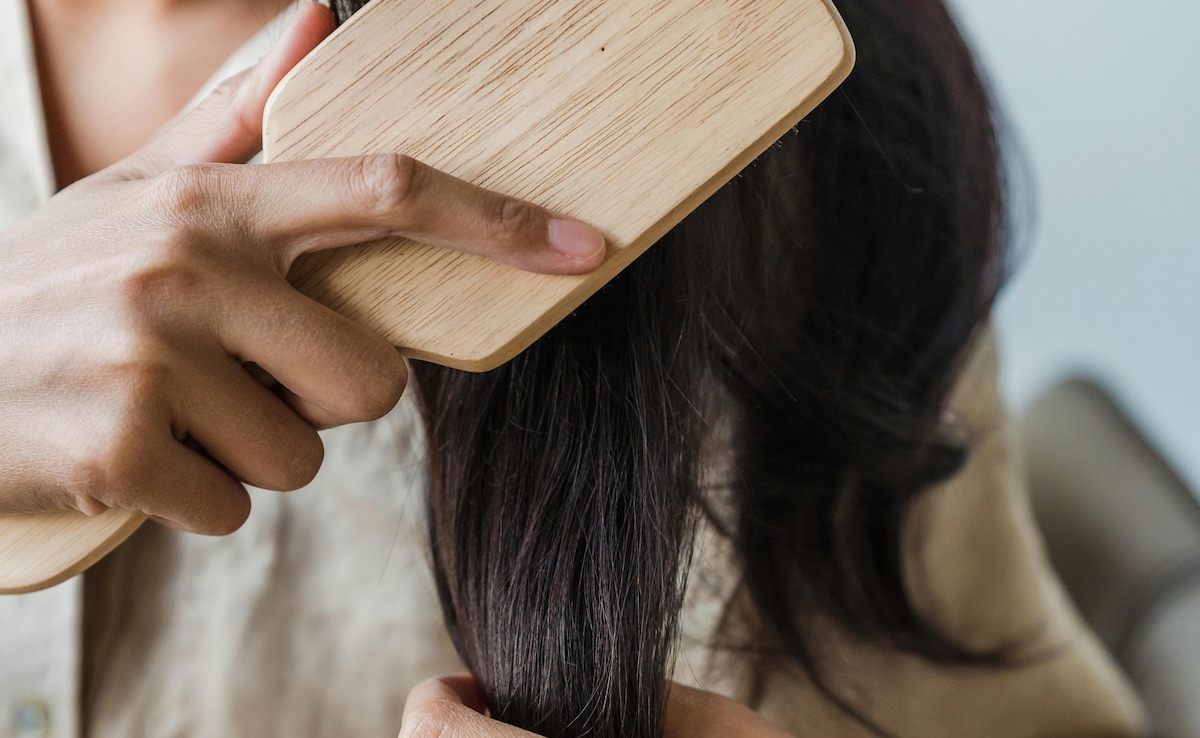
Hair loss is often overlooked as a cosmetic issue, but dermatologists say it can sometimes indicate underlying nutritional deficiencies, hormonal imbalances or even autoimmune conditions. Skin experts believe that when patients experience thinning or recurrent hair loss, certain blood tests can help determine the underlying cause.
Dermatologist Jushya Bhatia Sarin recently shared on Instagram that when patients come to her with complaints of hair loss, she often recommends a series of particular laboratory tests that offer vital information about nutritional status, hormonal balance and potential underlying medical conditions.
One of the key indicators she looks at is serum ferritin, which reflects the body’s iron stores. “Low ferritin is one of the commonest causes in Indians of long-term hair shedding,” Dr Sarin notes. Hair follicles may enter the shedding phase earlier than usual due to disruptions in the hair growth cycle caused by iron deficiency.
Vitamin B12 is another important test. The dermatologist claims that scattered hair thinning throughout the scalp can result from insufficient amounts of this vitamin. “Low levels of vitamin B12 can cause diffuse hair thinning, pigmentary changes on your skin and also premature greying of your hair,” she adds.
Dr Sarin occasionally measures levels of DHEAS, a hormone associated with androgen production, because hormonal imbalances can also contribute to hair loss. “Higher levels of this means more male hormones in a female body. This can worsen acne and give you hair thinning,” the skin expert explains.
When hair loss cannot be explained, the doctor may request an ANA (anti-nuclear antibody) test. This screening helps detect autoimmune diseases that may cause skin pigmentation changes or hair loss. Autoimmune disorders occur when the body’s immune system unintentionally targets its own tissues, including hair follicles.
A serum cortisol test can also be used to look into hormonal changes brought on by stress. Stress releases the hormone cortisol, which can exacerbate acne and increase hair thinning when levels remain persistently high.
According to Jushya Bhatia Sarin, nutrition is another factor in hair thinning. She states that a blood protein called serum albumin is routinely tested to determine total protein levels. Weak nails and thin hair might be caused by low protein consumption or problems with absorption.
Not every patient needs the same tests, the dermatologist clarifies. Rather, she advises anyone with chronic hair loss to visit a licensed dermatologist who can evaluate their symptoms and suggest the necessary tests.
Disclaimer: This content including advice provides generic information only. It is in no way a substitute for a qualified medical opinion. Always consult a specialist or your own doctor for more information. NDTV does not claim responsibility for this information.