2 min readChandigarhMar 31, 2026 07:28 AM IST
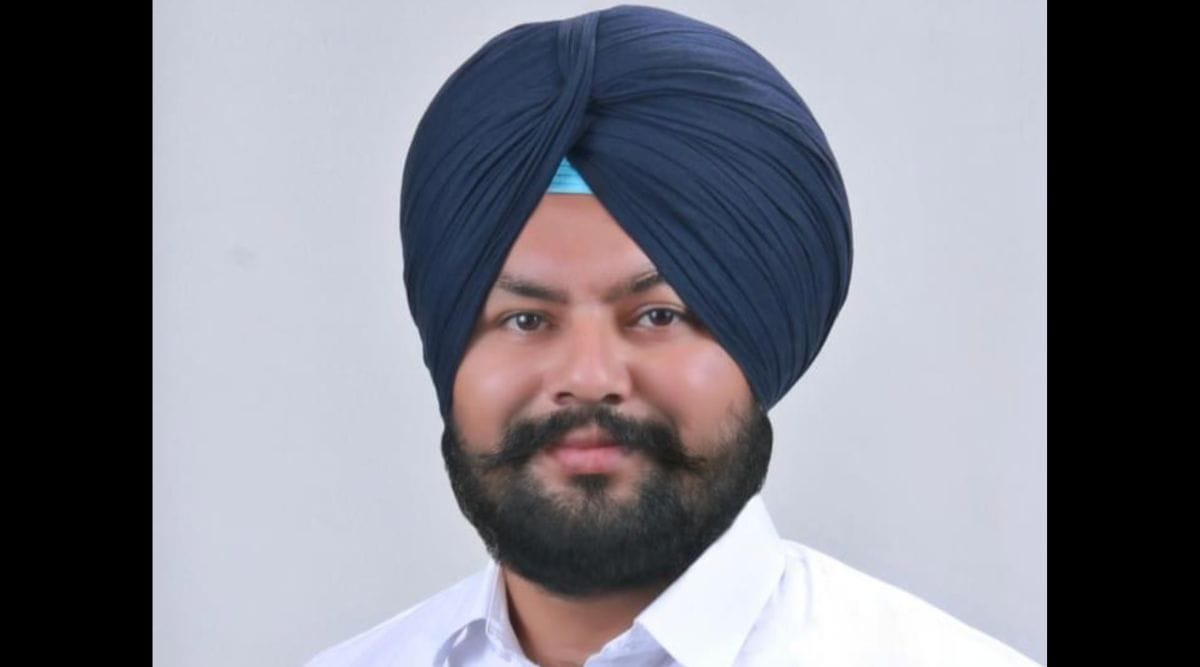
The Punjab and Haryana High Court has set aside a 2025 order through which it had convicted and sentenced AAP MLA Manjinder Singh Lalpura and others after the legislator submitted that he has entered into a compromise with the other party in an an FIR registered in 2013.
Allowing the petition, Justice Tribhuvan Dahiya quashed the 2013 FIR and acquitted Lalpur and other convicts. He court annulled the conviction judgment dated September 10, 2025, as well as the sentencing orders issued on September 12 and 22, 2025. The court also quashed FIR dated March 4, 2013, registered at City police stations, Tarn Taranm under Sections 323, 354, 506 read with Sections 148 and 149 of the IPC, along with provisions of the SC/ST Act.

The matter had resulted in several criminal appeals before the high court, including one filed by Lalpura. These were pending when both sides reached a compromise on February 4, 2026.
The court noted that the settlement had been verified by the Chief Judicial Magistrate, Tarn Taran, who confirmed that it was voluntary and free from coercion or undue influence. It also recorded that the petitioners had no prior criminal record and were not declared proclaimed offenders.
Both the State and the complainant, through their counsel, accepted the compromise and did not oppose the plea to quash the conviction, sentence, and FIR.
Relying on precedents laid down by the Supreme Court, the court observed that even in non-compoundable offences, it can exercise inherent powers to set aside a conviction if doing so serves the ends of justice and the parties have amicably resolved their dispute.
Assessing the nature of the allegations, the court described the case as primarily private in character. It held that the offences were not of a grave or heinous nature, did not amount to crimes against society, and did not reflect any mental depravity on part of the accused. The court further took into account that the incident occurred over 13 years ago and that there had been no further disputes between the parties since then. It concluded that allow