

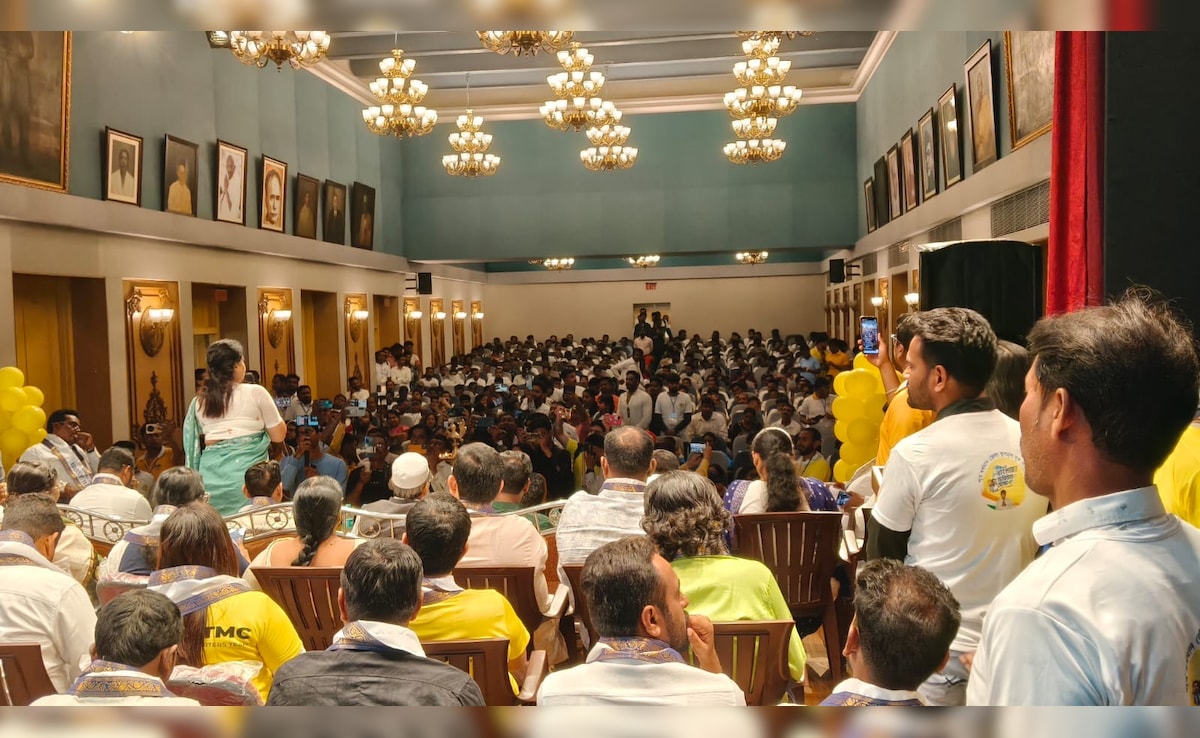
In the run-up to one of West Bengal’s most closely watched assembly elections, the political battlefield has expanded far beyond rallies and roadshows. From trending hashtags to hyperlocal booth-level messaging, the ruling Trinamool Congress has rolled out an ambitious digital strategy aimed at countering objectionable online narratives and strengthening grassroots engagement.
At the centre of this effort is the “Ami Banglar Digital Joddha” initiative – a campaign that blends technology, training, and local mobilisation to reshape political communication in the state.
From Cultural Assertion to Digital Movement
Launched on October 16 last year through a video message by Trinamool’s second-in-command Abhishek Banerjee, the ABDJ programme was positioned not merely as a party campaign, but as a “people’s movement”.
It emerged in response to what the party described as coordinated digital propaganda aimed at influencing public perception in West Bengal.
The initiative sought to reclaim Bengal’s narrative space — one that has historically been shaped by intellectual and cultural icons like Rabindranath Tagore and Subhas Chandra Bose – but is now increasingly vying with social media platforms.
Kolkata Conclave: Where Strategy Took Shape
The matter gained momentum at a large-scale conclave held on January 12 at Milan Mela Prangan in Kolkata. The event brought together IT cell members, student leaders, content creators, and party workers for a full-day immersion into digital campaigning.
Workshops covered platforms like Facebook, Instagram, YouTube, and X, along with emerging AI tools such as ChatGPT, Grok, and Gemini. Sessions ranged from hashtag amplification and real-time engagement to AI-driven content creation.
Gamified challenges, panel discussions on governance, and cultural performances gave the conclave the feel of a hybrid political-tech festival rather than a conventional party meeting.
District-Level Expansion: Taking Digital to the Ground
What began as a centralised strategy quickly moved to the grassroots.
The ABDJ conclaves spread across five key districts – Howrah, North 24 Parganas, South 24 Parganas, Purba Bardhaman, and Paschim Bardhaman.
These district-level events aimed to build a decentralised network of trained digital volunteers embedded at the block and constituency levels. The focus shifted from theory to execution, equipping local workers with tools, skills, and coordination mechanisms to influence narratives in their respective areas.
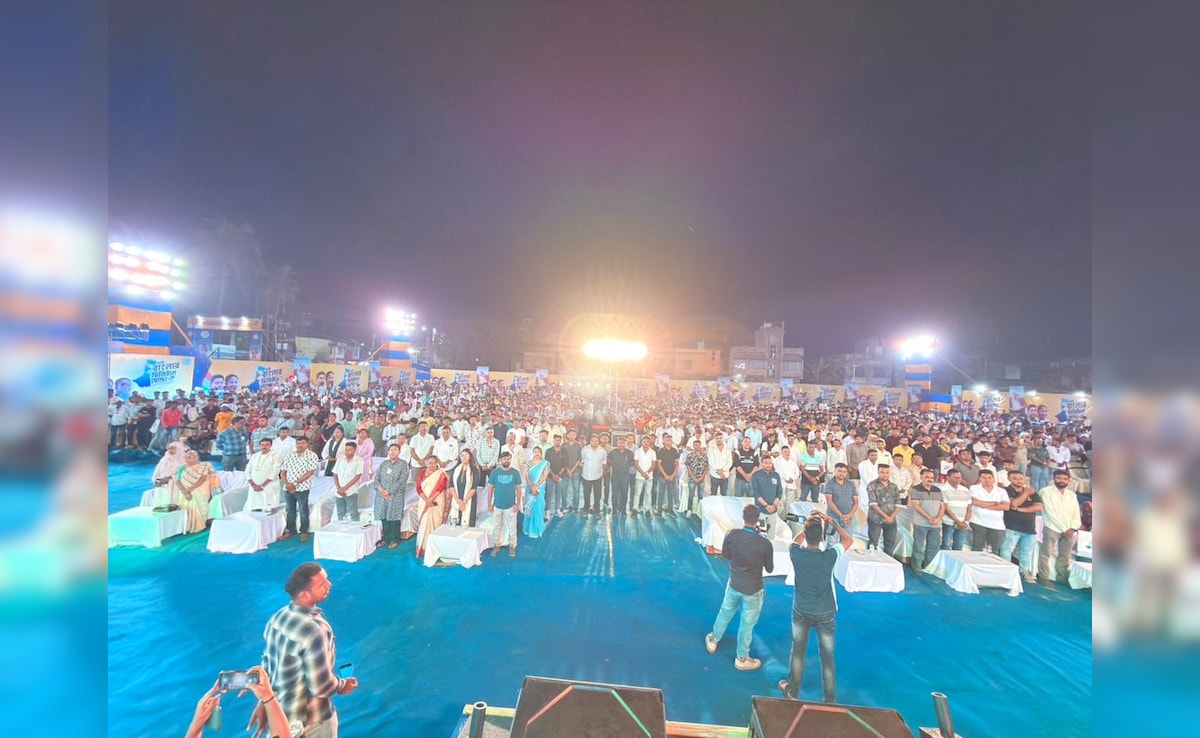
South 24 Parganas: Mastering Digital Narrative
The South 24 Parganas conclave, held on March 28, focused heavily on strategy and scale. Training sessions led by IT Cell General Secretary Upasana Choudhury delved into narrative-building, hashtag trends, and platform-specific tactics, particularly on X, which is increasingly seen as a battleground for political messaging.
Local leaders, including MLA Pannalal Halder and candidate Shamim Ahmed, participated alongside grassroots representatives, reflecting a strong integration between digital and organisational wings.
Howrah: Booth-Level Digital Penetration
In Howrah, the initiative took a constituency-wise approach, with separate events across Bally, Jagatballavpur, Domjur, and Amta. This decentralised format allowed for targeted training and closer engagement with local volunteers.
Candidates such as Sukanta Pal, Tapas Maity, and Subir Chatterjee attended sessions, signalling the party’s intent to align digital outreach directly with electoral constituencies.
North 24 Parganas: Building a Networked Ecosystem
The North 24 Parganas conclave saw participation from a wide cross-section of party workers, led by MP Kakoli Ghosh Dastidar. Training sessions focused on strengthening coordination between digital volunteers and traditional party structures.
Experts and content creators guided participants on effective communication strategies, while cultural performances added a community-driven dimension to the event.
Purba Bardhaman: Leadership-Driven Engagement
In Purba Bardhaman, the conclave witnessed one of the strongest leadership turnouts, including MPs, ministers, and senior party officials. The sessions reflected this seriousness, with advanced modules on AI-based content generation and platform-specific strategies.
The emphasis here was on aligning digital outreach with governance narratives and policy communication.
Paschim Bardhaman: Beyond Training to Tools
The Paschim Bardhaman conclave stood out for its practical approach. Participants were not just trained, they were equipped.
From access to online AI courses to on-ground tools like microphones for vox-pop content creation, the initiative aimed to transform volunteers into active content producers. Discussions also touched upon the ethical use of AI in political campaigns, highlighting the need for responsible digital engagement.
A New Campaign Model
The ABDJ initiative reflects a broader shift in political campaigning -from mass rallies to micro-targeted digital outreach. By combining central messaging with localised execution, the Trinamool Congress is attempting to build a hybrid model where online narratives and ground-level mobilisation reinforce each other.
As West Bengal heads into elections, the battle is no longer confined to physical spaces. It is unfolding simultaneously across smartphones, social media feeds, and local communities – where every post, share, and comment could shape the outcome.
In this evolving landscape, campaigns like ABDJ signal how deeply digital tools are now embedded in India’s electoral politics and how the fight for public opinion is increasingly being waged — one hashtag at a time.

.jpeg "IPL 2026: Best Memes from LSG vs DC, Match 5 – Funniest Reactions & Trolls")
