4 min readNew DelhiApr 3, 2026 04:54 PM IST
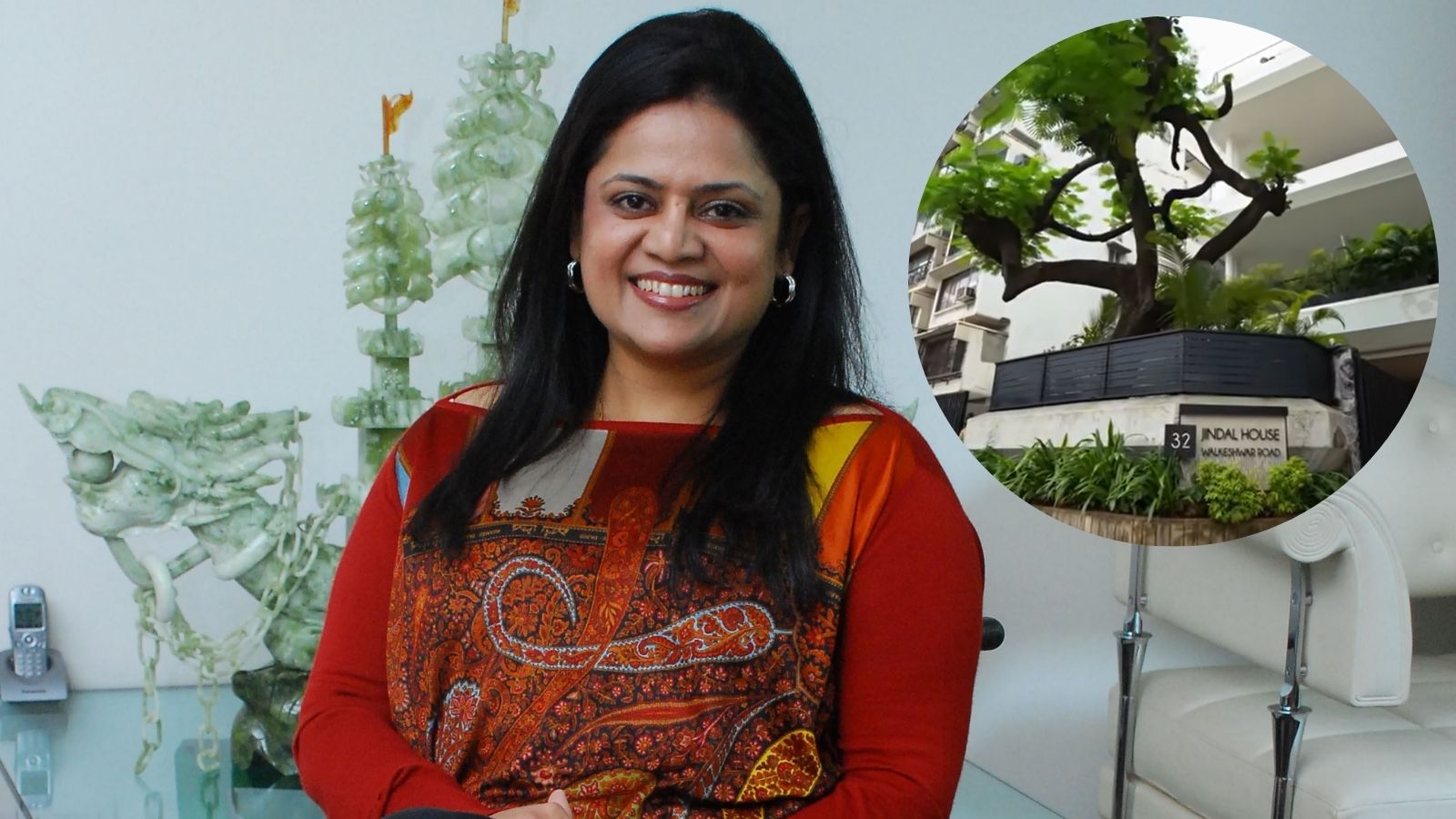
The Jindal house, a sea-facing bungalow located at 32 Walkeshwar Road in South Mumbai’s posh locality Malabar Hill, offers an interesting lens into how openness, light, and minimalism can influence everyday experiences.
Owned by Sminu Jindal, the MD of Jindal SAW Ltd. and granddaughter of industrialists Om Prakash and Savitri Jindal, this white three-floor structure features large open balconies to the greenery that frames the property. But, what stands out is that the emotional meaning of a space often goes beyond its design. Speaking about her home and family life in a conversation with Curly Tales, Jindal shared, “I love Mumbai. The rain specifically makes me want to be here.” She also recalled growing up in a large, close-knit family, saying, “So imagine all of us staying in this house, having the celebration here (the open balcony), this used to be our stage,” adding that with so many people around, “it was like a party.” These memories highlight how open physical spaces can become tied to feelings of belonging, nostalgia, and connection.

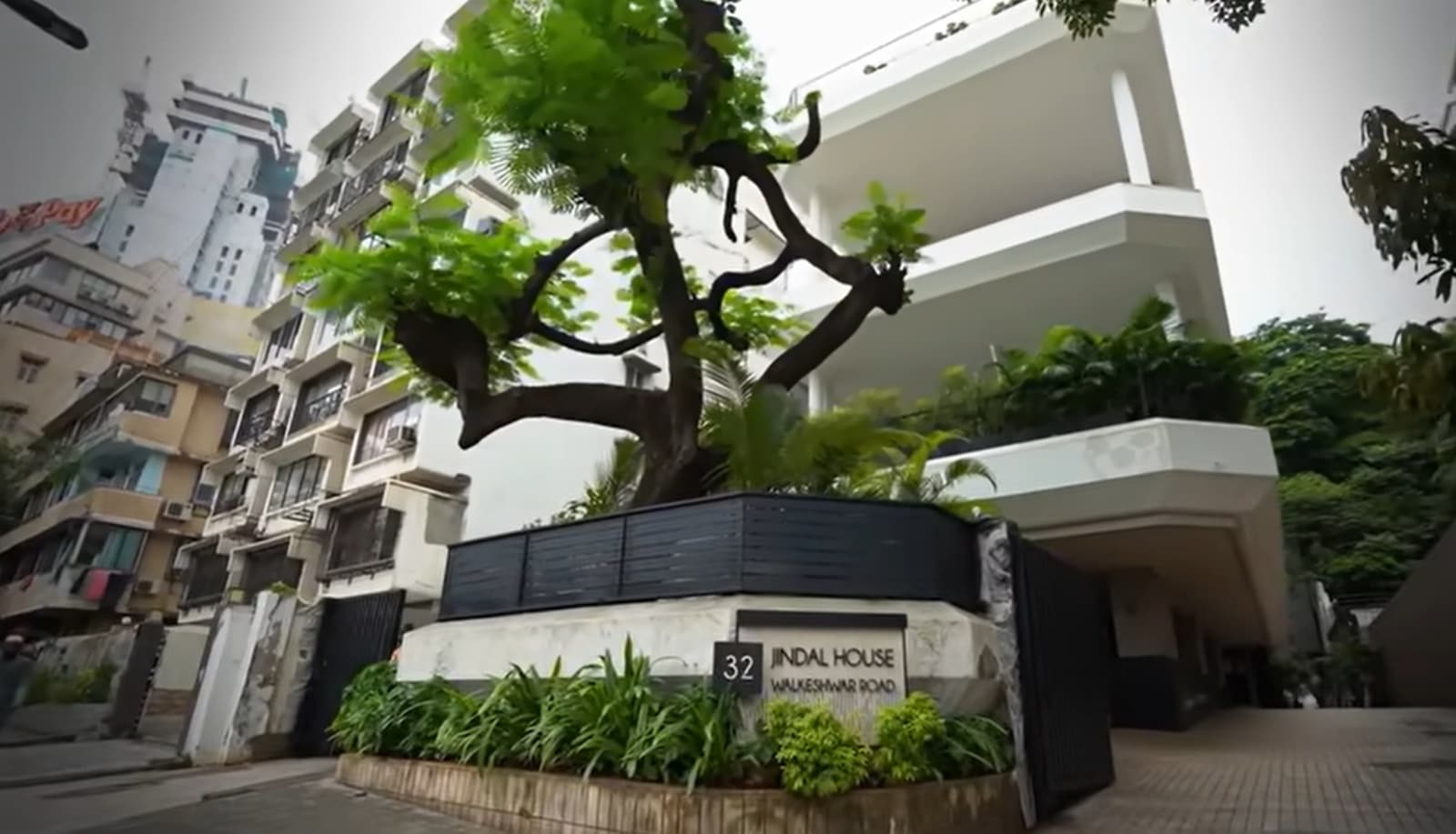 The Jindal house, a sea-facing bungalow located at 32 Walkeshwar Road in South Mumbai’s posh locality, Malabar Hill, offers an interesting lens into how openness, light, and minimalism can influence everyday experiences. (Source: YouTube/Curly Tales)
Inside, the design continues this sense of calm. A largely white aesthetic, accented with subtle wooden and black elements in doorways, shelves, and bannisters, creates a restrained visual palette. Minimal, functional furniture leaves room for movement and breathing space, while large floor-length windows and transparent panelled doors allow natural light to flow freely through the rooms. The veranda, almost like a hanging courtyard, adds another layer of openness, blending indoor and outdoor environments. Against this muted backdrop, are artworks featuring paintings, sculptures, ornate plates, and centrepieces.

But how do open, light-filled interiors with minimal furniture affect a person’s mood?
Sonal Khangarot, licensed rehabilitation counsellor and psychotherapist, The Answer Room, says, “Open, light-filled interiors with minimal furniture can significantly influence mood, stress levels, and overall comfort by creating a sense of psychological spaciousness. When a space is uncluttered, the brain is not constantly processing excess visual information, which helps reduce cognitive load and lowers baseline stress levels. This allows the nervous system to feel more at ease rather than overstimulated.”
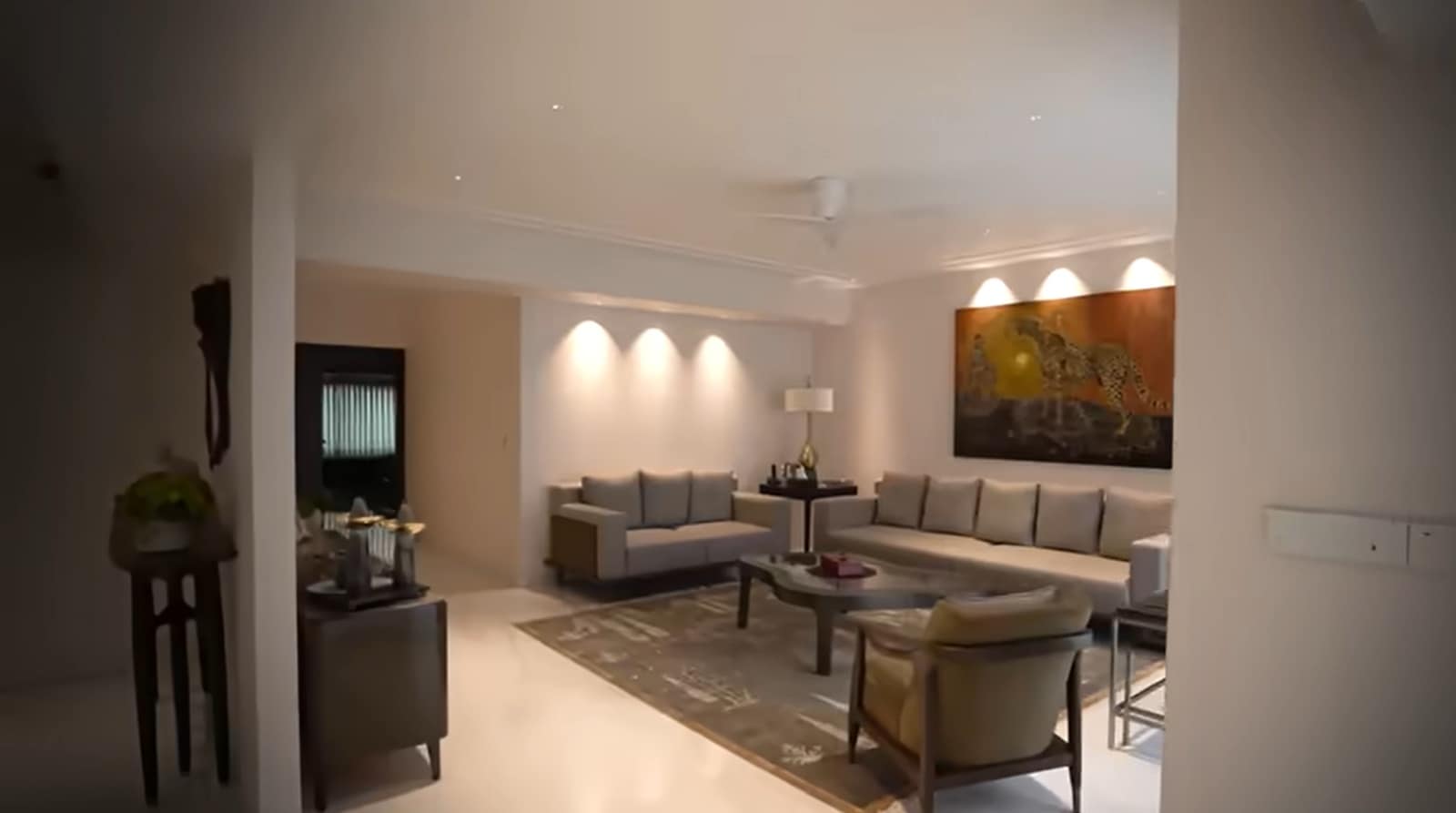 A largely white aesthetic, accented with subtle black elements in doorways, shelves, and bannisters, creates a restrained visual palette. (Source: YouTube/Curly Tales)
She adds that natural light further enhances this effect by supporting circadian rhythms, improving sleep quality, and contributing to emotional balance. These elements are closely aligned with the principles of minimalism, which emphasise simplicity and intentional living, both of which are associated with improved focus and reduced mental fatigue.
On spaces shaping emotional bonding, memory-making, and a person’s sense of belonging
According to Khangarot, when a house is designed to accommodate large gatherings and shared spaces, it naturally becomes a setting for repeated social interaction, which plays a central role in emotional bonding.
“From a psychological perspective, proximity and shared experiences increase feelings of trust and connection. Open living areas, large dining spaces, or communal seating arrangements encourage conversation, laughter, and collective participation, all of which strengthen interpersonal ties over time,” she says.
Story continues below this ad
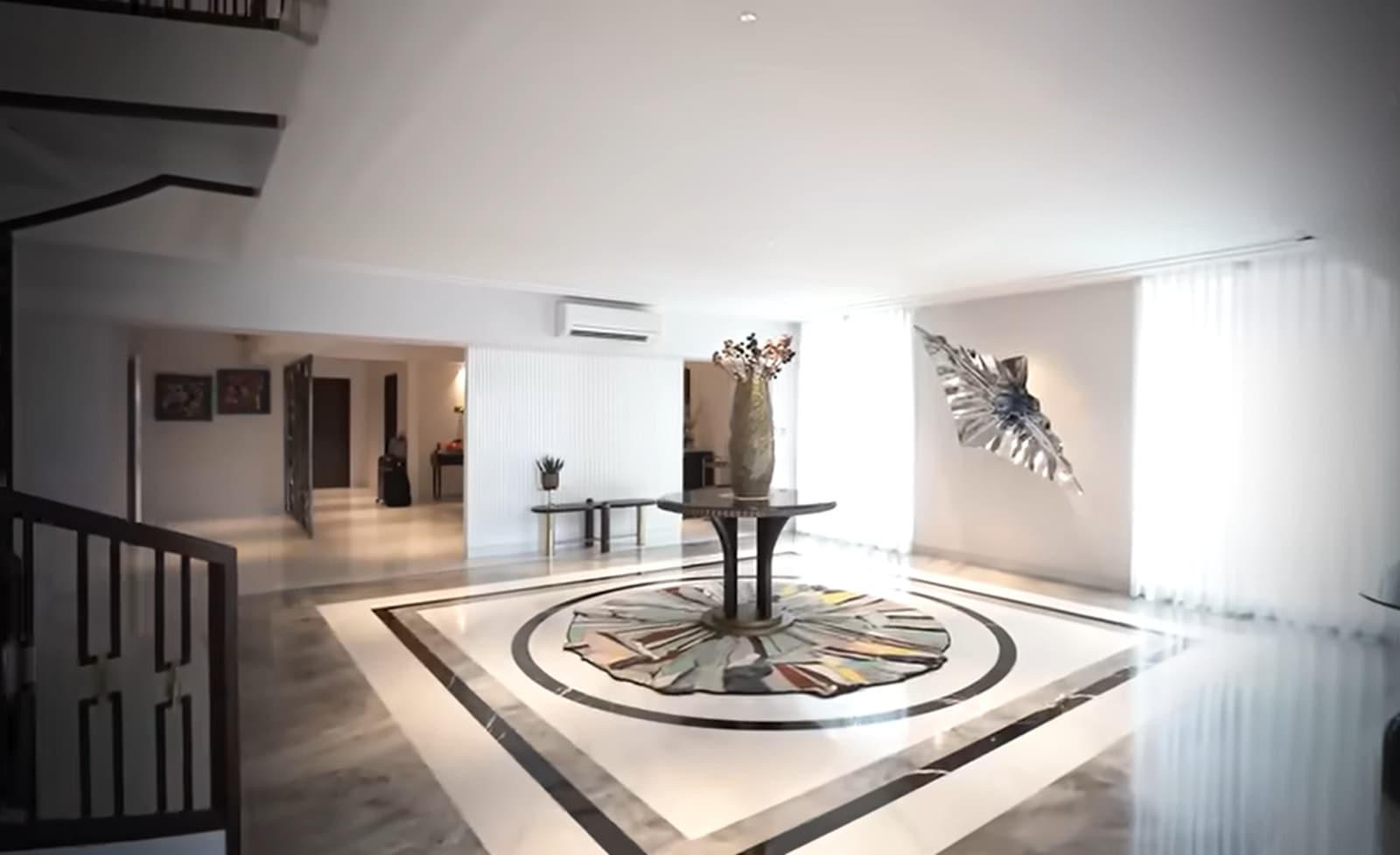 Open, light-filled interiors with minimal furniture can significantly influence mood, stress levels, and overall comfort by creating a sense of psychological spaciousness. (Source: YouTube/Curly Tales)
She adds that such environments also support memory-making in a meaningful way. “Celebrations, rituals, and even everyday moments become embedded in a shared physical context, making them easier to recall and emotionally significant. Environmental psychology suggests that spaces associated with positive social experiences often become anchors for nostalgia and emotional security.”
Over time, this contributes to a deeper sense of belonging. When individuals repeatedly experience warmth, inclusion, and connection within a space, it begins to feel like a safe emotional base. “The home, in this sense, is not just a physical structure but a container for relationships, identity, and continuity across different phases of life,” concludes Khangarot.