3 min readPuneApr 4, 2026 10:35 PM IST
Written by Pranoy Mishra

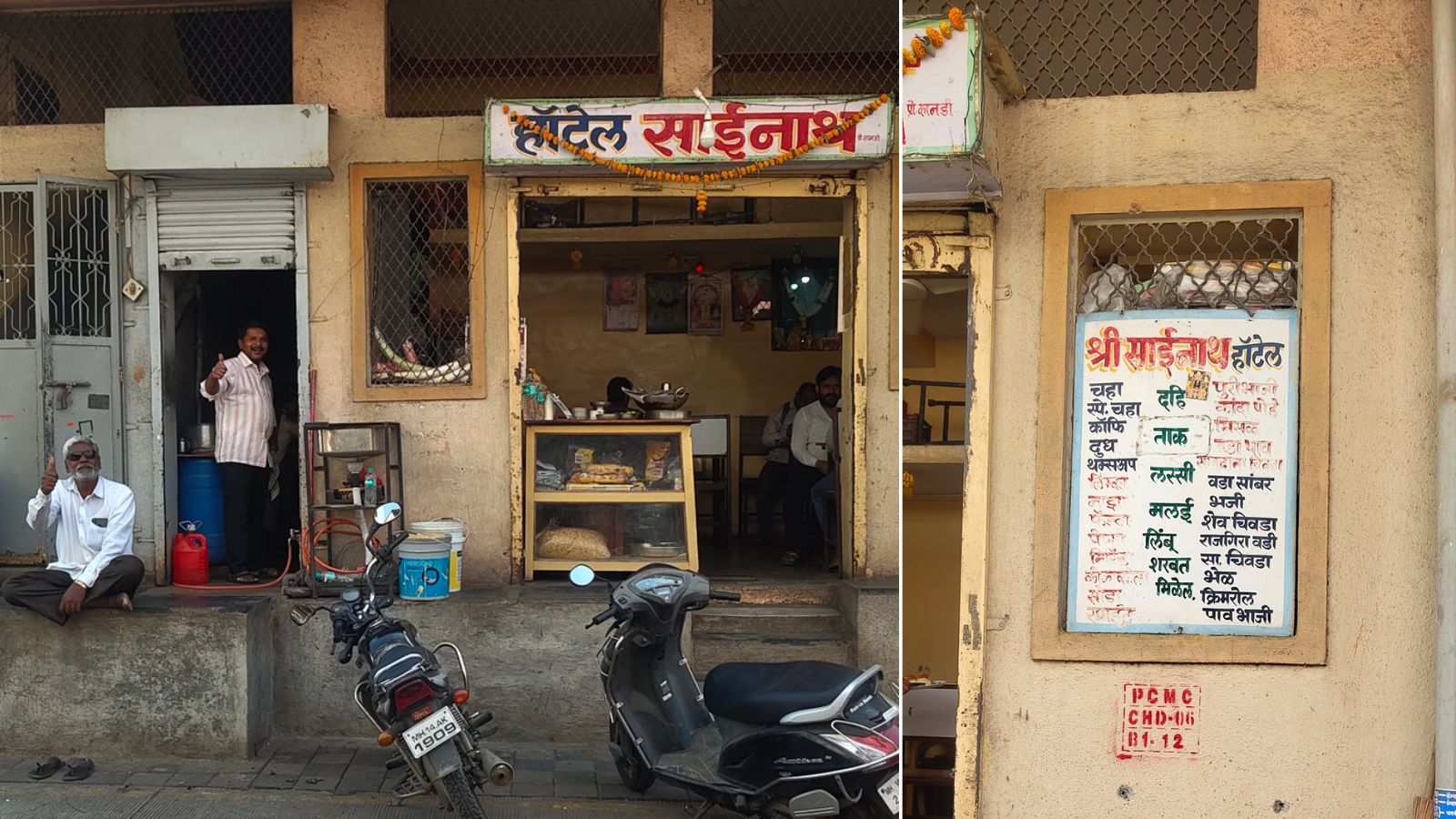
When Lava Ramchandra Kannadi put together all his savings to set up Hotel Sainath Upahar Gruh on September 17, 1967, independent India was just 20-years old, around his own age. The eatery was no more than a wooden chawl but that did not matter to Kannadi. He was looking at making a lasting impact.
There was no connection for water or electricity, and Kannadi would bring water from the river to run his little bakery, selling pao butter. The hard work and vision paid off. Within two years, Kannadi began serving traditional cuisine, misal, and poha. Among their first items were sukhi and oli bhel, and the preparation of laddoo and jalebi in the evenings.
With the influx of people from different states and the rapidly changing environment, Sainath Upahar Gruh is popular in the immediate locality and surrounding regions. In 2001, the restaurant was renovated into a concrete structure.
Today, Hotel Sainath Upahar Gruh boats a large and loyal customer base. Kannadi is endearingly called kaka or dada. Step inside and you can’t help but notice the sense of familiarity. Patrons talking over tables, smiles and conversations. Everyone knows one another. Every morning, the people wake up to the same aromas from the kitchen, a quiet routine of an old couple and their family restaurant.
“The speciality of this food is that there is nothing special. That’s why I love it; it’s like my mother made it with her own hands.” says a customer. Another says: “This is like my second home, not just because of the food served here, but for the love shown to me by kaka.”
Kannadi adds, “”I enjoy speaking to my customers and ensuring they’re served well. The taste that can be ensured in a small establishment like this one is leagues better than what the larger, more commercial ones can do.”
Story continues below this ad
He speaks of inflation, how things were initially priced at 10-15 paise, now a usual bill goes up to Rs 200-300. And how in the pandemic, people refused to do without their misal pao and kadak chaha, and would queue up, while practising social distancing. The police on rounds would come sit outside and have misal pao.
The LPG crisis has hit this establishment; they make do with a coal sigdi and a kerosene stove, because a single cylinder costs Rs. 4-5000 on the black market. Keeping their customers full and fed is all they care about. The Tari Pohe is still fluffy and delectable; the Gol bhajji has a soft, satisfying crunch.