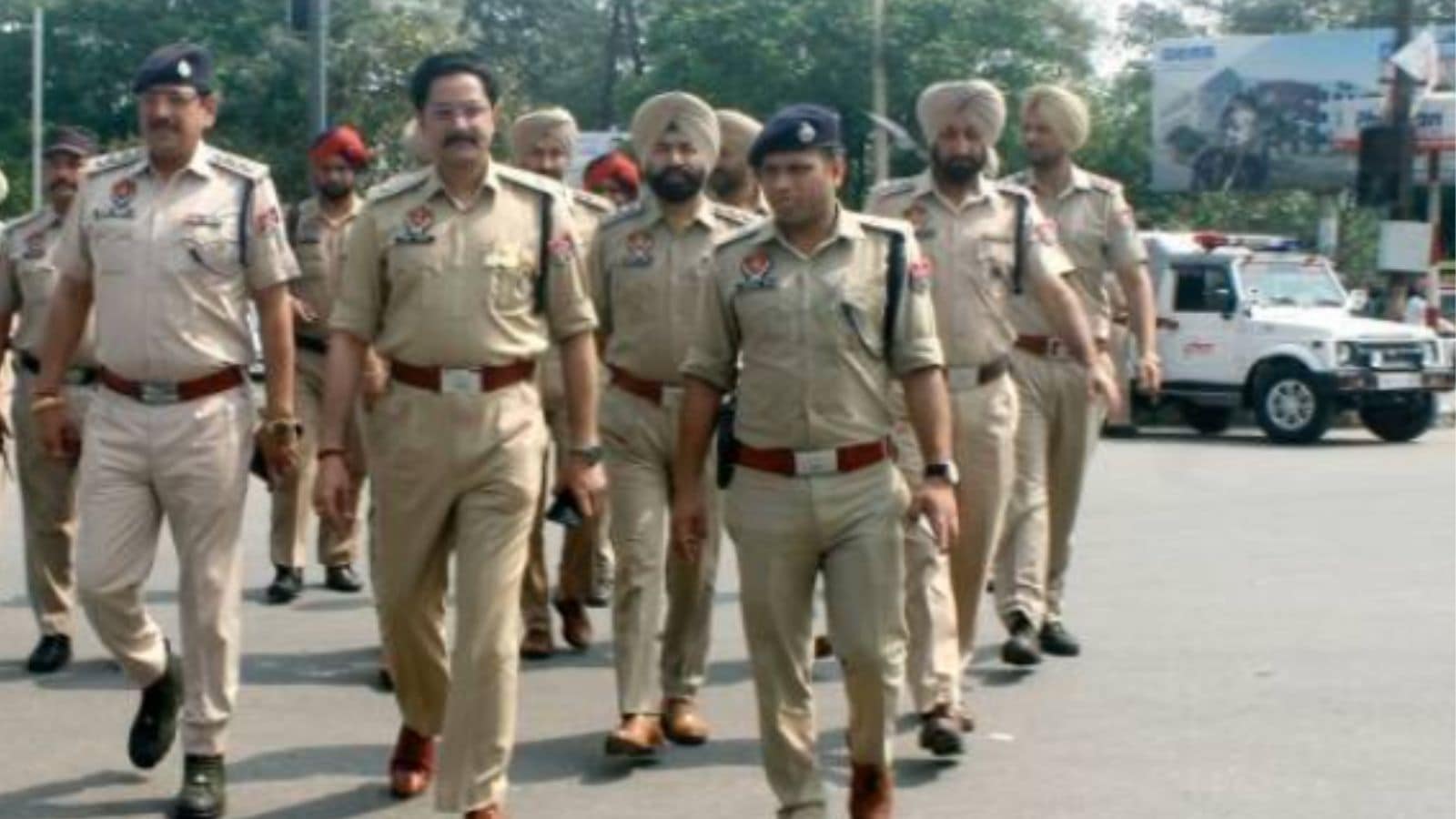
The Punjab Bureau of Investigation (PBI) has issued a comprehensive Standard Operating Procedure (SOP) for probing cases of sacrilege (beadbi), mandating strict adherence to religious ‘maryada’, time-bound investigations under statutory limits, and specialised handling of accused persons, including mandatory medical board evaluation in cases involving suspected mental illness.
The guidelines will apply to police officials investigating cases of sacrilege (beadbi) involving Guru Granth Sahib ji, Gutka Sahib and other Gurbani publications, as well as holy scriptures such as the Bible, Quran and Bhagwat Gita held sacred by their respective communities.
The SOP, issued under the signature of PBI Director L.K. Yadav, emphasises that “investigation is true ascertainment of facts” and strictly follows the Punjab Police Rules.
Among the key provisions of the SOP are immediate response, forensic and evidence protocols, respect for religious sanctity, and focus of investigation. The SOP was issued on April 10 and followed by an addendum with further instructions on April 13, after the Jaagat Jot Sri Guru Granth Sahib Satkar (Amendment) Act, 2026 was passed by the Punjab Vidhan Sabha.
As per the SOP, on receiving information about any alleged act of sacrilege, the Investigating Officer (IO) and Station House Officer (SHO) must reach the scene of crime without delay, inform superiors, register an FIR if a cognisable offence is disclosed, as mandated by the Supreme Court’s Lalita Kumari judgment, and secure the site with a “dual perimeter” to protect evidence and control crowds.
Forensic teams must be called immediately. All scenes require high-resolution photography, videography, site mapping, CCTV seizure, call detail records (CDRs), tower dumps, and digital evidence collection via the e-Sakshya mobile application. “Sacred ‘Angs’ of Guru Granth Sahib ji must be documented respectfully and handled only in the presence of authorised religious functionaries,” the SOP says.
It adds that desecrated material must be handled with utmost reverence, following proper maryada. “Recovered sacred items are to be handed over on sapurdari to religious representatives. Final rites must follow religious protocols, with full documentation and videography,” it says.
Story continues below this ad
The SOP instructs that officers must determine whether the act was opportunistic, accidental, negligence-based, mental health-related, or a premeditated attempt to incite unrest. They are required to probe motives, conspiracy, patterns of similar incidents, financial trails, including cryptocurrency transactions using tools such as Chainalysis, and social media activity.
Separate guidelines cover juveniles, under the Juvenile Justice Act with confidentiality and child-friendly procedures, and suspects showing signs of mental illness, for whom mandatory psychiatric evaluation by a medical board is required.
Detailed procedures in the SOP address morphed images, deepfakes, offensive posts and online campaigns. Officers must secure digital evidence, seek platform data, verify authenticity, and issue takedown requests swiftly while monitoring communal tension.
All cases will be personally supervised by SSPs or Commissioners of Police, with periodic reviews. Timely charge sheets, effective “pairvi” through dedicated cells, witness protection under the Punjab Witness Protection Scheme 2025, and prosecution scrutiny of police reports are mandated.
Story continues below this ad
“Investigations must remain neutral, use objective language, avoid further disrespect, and shield the probe from attention-seekers or vigilante actions. Any police officer failing to follow the SOP faces departmental action,” the SOP says.
Just three days after issuing its detailed SOP on April 10, the Punjab Bureau of Investigation released an official addendum dated April 13 to further strengthen guidelines for investigating cases of sacrilege.
The addendum addresses gaps identified in the original SOP regarding sanction for prosecution, time-bound investigations, certification of electronic evidence, online submission of charge sheets, and ensuring speedy trials. It clarifies that the core framework of the SOP remains unchanged, with the aim of ensuring “expeditious and lawful investigation” while maintaining religious sensitivity and legal precision.
The key additions in the addendum state that the Investigating Officer must, upon filing the charge sheet, simultaneously initiate a proposal for grant of sanction under Section 217 of the Bharatiya Nagarik Suraksha Sanhita (BNSS), 2023, corresponding to the old CrPC Section 196. Section 217 mandates that no court can take cognisance of offences against the State or criminal conspiracy to commit them without prior sanction of the Central or State Government. It also allows for a preliminary investigation before granting such sanction.
Story continues below this ad
Time-bound investigation into sacrilege cases has also been emphasised, and these must be completed within the statutory timelines prescribed under the BNSS, 2023.
“The duty of police officers does not end with filing the charge sheet. All heads of field units must ensure that Investigating Officers and other police witnesses appear before the trial court at the first available opportunity to record evidence. Delays in witness appearance are described as a ‘travesty of justice’ that frustrates trials and affects the rights of undertrials. Compliance with the SOP and addendum must be enforced across all SHOs and IOs,” the SOP addendum says.
“This rapid issuance of the SOP underscores the Punjab Police’s commitment to plugging procedural loopholes and ensuring that sacrilege cases, which often carry high communal sensitivity, are investigated with utmost legal rigour, forensic accuracy, and religious respect, while meeting strict timelines for prosecution and trial. The combined SOP and addendum now provide a complete, court-ready framework for handling such sensitive cases across Punjab,” said a senior Punjab Police officer.