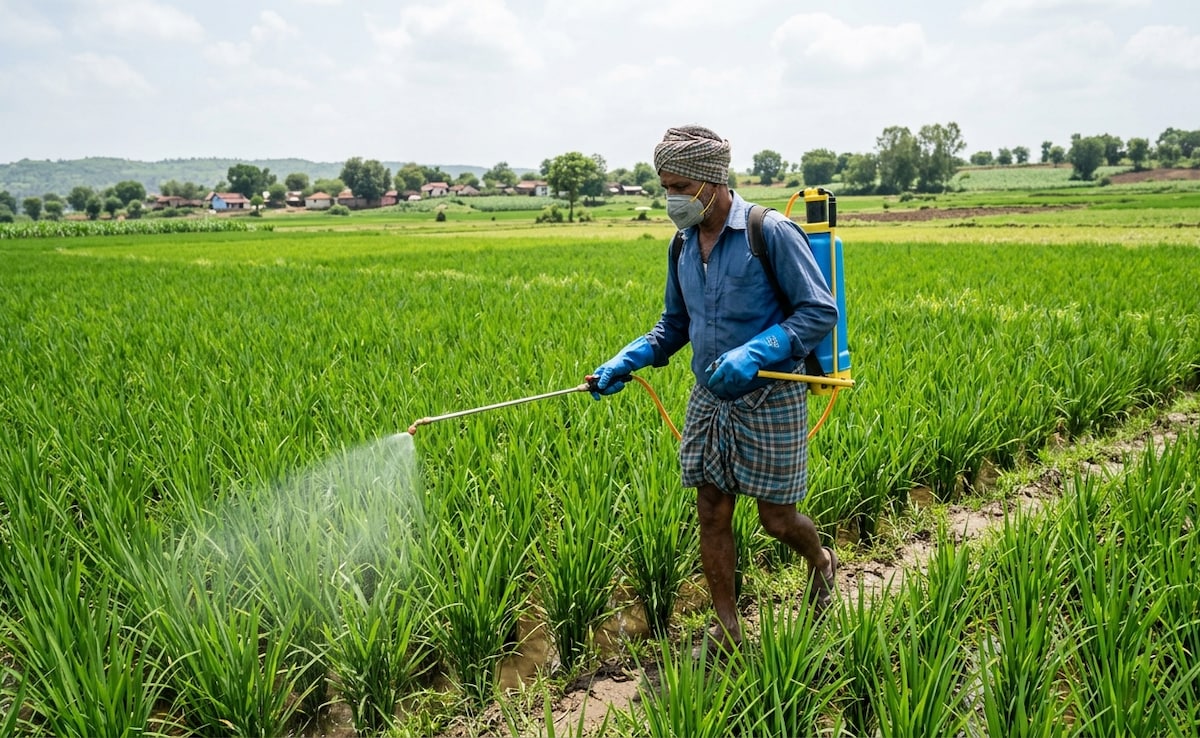
A major new study published in journal Nature Health has raised fresh concerns about the long-term health impact of environmental pesticide exposure. According to the research people living in high-exposure regions may face up to a 150% higher risk of developing certain cancers, highlighting gaps in how chemical safety is currently assessed. The study brings together data from institutions like University of Toulouse and National Institute of Neoplastic Diseases, offering one of the most comprehensive real-world analyses to date. Pesticides are part of everyday exposure, found in food, water, and air. However, most earlier research examined single chemicals in isolation.
Why This Study Matters
The study takes a different approach by analysing how multiple pesticides interact together, reflecting real-life conditions more accurately. This shift is important because people are rarely exposed to just one chemical at a time. Instead, they encounter complex mixtures, the combined effects of which have been poorly understood until now.
Also read: Super El Nino Health Impacts: Doctors Explain How Indians Will Be Affected, Share Precautions
Why Peru Was Chosen
Peru provided a unique setting due to its mix of intensive agriculture, varied ecosystems, and socio-economic disparities. Researchers found that Indigenous and rural farming communities were particularly affected. On average, individuals in these regions were exposed to around 12 different pesticides simultaneously, often at elevated levels.
This highlights a concerning pattern, environmental risks are not evenly distributed and tend to disproportionately affect vulnerable populations.
Mapping Exposure And Cancer Risk
To establish a clearer link, scientists analysed 31 commonly used pesticides across the country. Interestingly, none of these are currently classified as carcinogenic by the World Health Organization.
Using advanced modelling, the team tracked how these chemicals spread between 2014 and 2019. They then compared this data with health records of over 150,000 cancer patients between 2007 and 2020.
The findings revealed a consistent trend, regions with higher pesticide exposure had significantly higher cancer rates.
What Happens Inside The Body?
One of the most concerning aspects of the study is how early the effects of pesticide exposure may begin. Researchers found that these chemicals can disrupt normal cellular processes long before cancer develops. These silent changes may accumulate over time, increasing vulnerability to disease. The liver, which plays a key role in processing toxins, emerged as a critical organ in this process. Such disruptions may make the body more susceptible to other triggers like infections, inflammation, and environmental stress.
Also read: Your Choice Of Fruits Could Be Raising Pesticide Levels In Your Blood, Warns Study
Why Current Safety Standards May Fall Short
One of the key takeaways from the study is that existing risk assessment models may be outdated. Current guidelines typically evaluate one chemical at a time and define “safe” exposure limits accordingly. However, this approach may overlook the combined effects of multiple chemicals interacting together.
The study suggests that real-world exposure scenarios are far more complex, and safety standards need to evolve to reflect this.
Climate Change Could Make It Worse
Environmental factors such as climate events may further influence exposure levels. For instance, phenomena like El Nino can affect how pesticides are used and how they spread in the environment, potentially increasing human exposure. This adds another layer of complexity to an already challenging public health issue.
A Global Concern, Not Just Local
Although the research focuses on Peru, its implications are global. Agricultural practices, environmental changes, and social inequalities exist in many parts of the world. This means similar risks could be present in other regions, particularly in countries with intensive farming and limited regulation.This landmark study highlights a critical shift in how we understand environmental health risks.
- Pesticide exposure in real-world conditions may significantly increase cancer risk
- Effects can begin silently at the cellular level
- Vulnerable communities face the highest exposure
- Current safety standards may not fully capture combined risks
The findings call for updated policies, better monitoring, and a more holistic approach to public health. As research continues, one message is clear, understanding how everyday environmental exposures affect long-term health is more important than ever.
Disclaimer: This content including advice provides generic information only. It is in no way a substitute for a qualified medical opinion. Always consult a specialist or your own doctor for more information. NDTV does not claim responsibility for this information.