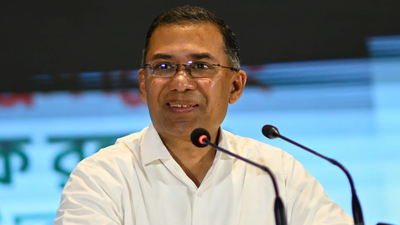
BNP chairman Tarique Rahman (AP)
Bangladesh is set for a change in leadership as the newly elected government of Bangladesh Nationalist Party (BNP), led by chairperson Tarique Rahman, prepares to take oath on Tuesday.Ahead of the swearing-in, chief adviser of the interim government Muhammad Yunus has invited leaders from 13 countries to attend the ceremony, reported ANI, citing Prothom Alo.
The invited countries, as per the report, include India, China, Saudi Arabia, Turkiye, Pakistan, the United Arab Emirates, Qatar, Malaysia, Brunei, Sri Lanka, Nepal, the Maldives and Bhutan.The ceremony will be held at the South Plaza of the National Parliament following the party’s landslide victory in the 2026 general election.Earlier, BNP leader ANM Ehsanul Hoque Milan on Saturday expressed hope that PM Modi would be invited to the upcoming ceremony, while underscoring the party’s inclusive foreign policy vision “friends to all, malice to none”.Addressing reporters in Dhaka, Milan remarked on the question of inviting South Asian leaders to the event, “I don’t know exactly what they’re doing, but hopefully they’ll invite everyone. I don’t know exactly, but he (PM Modi) should be invited. It’s general courtesy. The organisers will do it. I hope the whole world will be with us.”BNP also thanked PM Modi for his congratulatory message following the party’s victory. In a post on X, it said, “Thank you very much, Honourable @narendramodi. We greatly appreciate your kind acknowledgment of Tarique Rahman’s leadership in securing the BNP’s decisive win in the national elections.”Highlighting the importance of bilateral ties, the BNP signalled its intent to work closely with New Delhi in the coming years. “We look forward to engaging constructively with India to advance our multifaceted relationship, guided by mutual respect, sensitivity to each other’s concerns, and a shared commitment to peace, stability, and prosperity in our region.”The 2026 Bangladeshi general election, held on 12 February, was the first election after the 2024 mass protests that ousted long-time leader Sheikh Hasina. The BNP secured well over the 151 seats needed to form a government in the 300-seat parliament, positioning Rahman as prime minister-designate, while the Islamist Jamaat-e-Islami alliance emerged as the main opposition. Voter turnout was around 59%, and a constitutional referendum on governance reforms also passed.