5 min readMumbaiFeb 15, 2026 03:30 PM IST
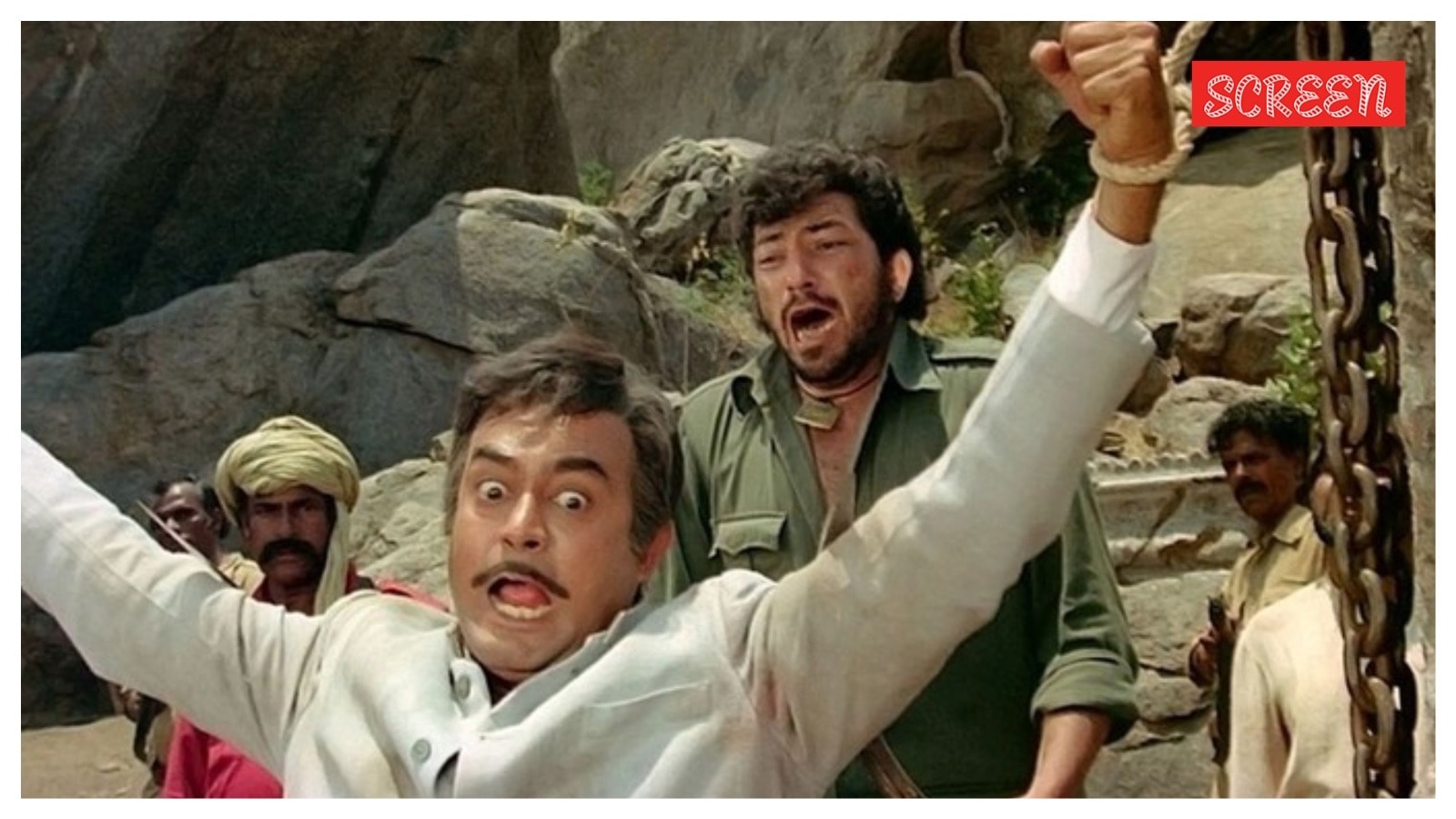
Ramesh Sippy’s 1975 seminal blockbuster Sholay completed its 50th anniversary last year. Boasting of a memorable cast including late Sanjeev Kumar as Thakur, late Dharmendra as Veeru, Amitabh Bachchan as Jai, Hema Malini as Basanti, Jaya Bachchan as Radha, and late Amjad Khan as Gabbar among others, the film is considered one of the most successful and influential Hindi films of all time.
Sholay’s 4k restoration with original ending
Now, the makers — Ramesh Sippy, along with his nephew and custodian Shehzad Sippy — are leaving no stones unturned to give Sholay a new lease of life and even reimagine it for a new generation.

The journey began with Shivendra Dungarpur-led Film Heritage Foundation restoring the original version in 4K after discovering 500 cans of footage at Technicolor’s storage facility in London. Released as Sholay: The Final Cut, it includes the original ending of Thakur kicking Gabbar to death. The original ending was changed by the makers due to pressure from the Censor Board during the 1975 Emergency. The ending they shot and went ahead with entailed the police intervening in the above encounter and arresting Gabbar instead.
Also Read – Sholay turns 50: Thakur’s consuming obsession with vengeance destroyed so much and yielded so little
“The censors weren’t happy with the original ending, of Thakur finishing Gabbar. I’m not sure whether that was for the best or not. Even the way the censors finally left it was enough to convey what Thakur had in mind. They just stopped the final blow, but you do know what was going to happen. So, the impact was still there. Of course, the full satisfaction would’ve been to see that final stomp. But I wouldn’t have shown the completely destroyed face anyway,” Ramesh Sippy told SCREEN in an exclusive interview last year.
Sholay’s expansion into animation, gaming, and microdramas
Shehzad Sippy has now entered into a long-term partnership with Kuberans Tech Ventures to expand the legacy intellectual property of Sholay across multiple formats, including animation, gaming, and micro-dramas. They’re adopting the Disney, or, more recently, the Japanese anime, model to leverage the popularity of the Sholay characters and storyline to tell new stories across multiple mediums.
“Films, live action content, really drive the character IP business more than anything else. So you need to have those things coming out, but then it should be supplemented with these other touch points and being able to constantly engage with your fan base,” Shehzad told Variety. The IP rollout will even extend to merchandising, a stage adaptation, and a feature film they’ll announce by mid-this year and start shooting by the end of 2026.
Story continues below this ad
Shehzad points out at the glaring lack of homegrown IPs being expanded to such formats, which helps the film to sustain monetary inflow far beyond its theatrical run. He quotes Green Gold Animation as one of the only few other players in the market who have successfully banked on their IPs like Chhota Bheem across formats.
From the Japanese market, which has thrived on this revenue model, Shehzad Sippy underlined the example of filmmaker Gen Fukunaga, with whom he collaborated on early in his career. Fukunaga, who introduced the seminal anime show Dragon Ball Z to the US audience, made no money from the broadcasting in the first year, but went on to amass $50 million through only merchandising.
“There is a disconnect between an older audience and the audience today. So that’s specifically what we’re trying to bridge with the way we’re approaching the rollout of our content. The main focus is the youth of today and the youth moving forward,” said Shehzad, whose father grandfather GN Sippy was Ramesh Sippy’s father and the producer of Sholay.
Story continues below this ad
In an interview with SCREEN, Ramesh Sippy had also opened up on Sholay being expanded into a franchise going forward. “In today’s world, you can’t control all that. Ultimately, the lure of money takes over. If Sholay goes into business hands, they will use it to maximum exploitation. So far, it hasn’t happened. If it does happen, it should be done in the right way. That’s all I can hope for,” said the filmmaker.