

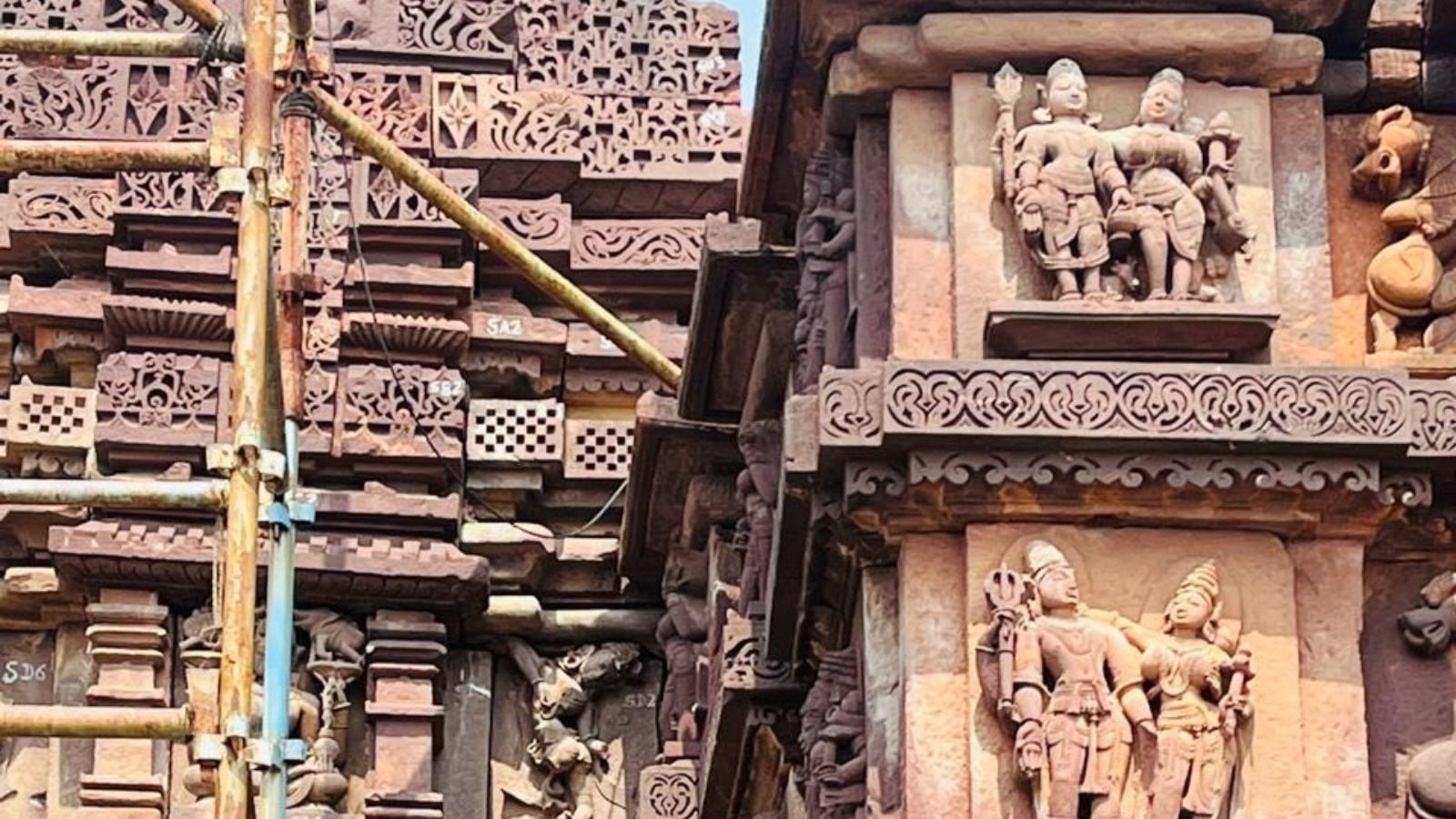
TUCKED AWAY in a corner of Chamorshi in Gadchiroli, around 190 km from Nagpur, stands a 1.9-acre complex that is magnificent, rambling and, for the most part, bereft of people. Located on the peaceful banks of the Wainganga River and surrounded by fields of cotton, paddy and wheat, the 8th-century temple showcases intricate motifs, ornate carvings of divine beings and a towering shikhara—all of which earned it the moniker ‘Khajuraho of Vidarbha’.
Despite its grandeur, the temple — dedicated to Lord Shiva and named after the sage Markandeya — sees few visitors, mostly locals from the nearby village of Markanda Deo. That changes on Mahashivaratri, when thousands of devotees from across Maharashtra and Chhattisgarh descend on it barefoot, drawn by faith and the promise of Lord Shiva’s blessings.

Today, the Markandeshwar Temple, characterised by its Nagara-style architecture that bears testimony to exceptional craftsmanship, exemplifies the resilience and transformation of Gadchiroli — long viewed as one of Maharashtra’s Maoist hotbeds.
Gadchiroli is now seeking to reframe its identity, drawing on its dense forests, riverine landscape, and cultural and ecological singularity to turn the engines of tourism. At the nucleus of this push — aimed at balancing conservation, community participation and safety in a region once largely absent from Maharashtra’s tourism map — is the Markandeshwar temple.
On the agenda is not only the Archaeological Survey of India’s (ASI) conservation work at the centrally protected temple — restarted in 2024 after a seven-year gap — but also other protected sites: a fort, the Bhandareshwar temple and a Mahadev temple in Armori taluka; stone circles at Arsoda; a group of 20 cromlechs, or prehistoric burial sites, at Chamorshi, where the Shiva temple is located; and another temple at Thanegaon.
“Conservation and restoration work at the Markandeshwar temple is currently underway, from a tourism development perspective,” an ASI official told The Indian Express. “ASI is working with the Maharashtra State Road Development Corporation (MSRDC) on peripheral development, which is in its final stage under Phase I. The Gadchiroli district administration has been extending substantial support for the development and promotion of these heritage sites.”
The plan
According to officials, 10 potential tourist spots have been identified across Gadchiroli, with funds mobilised from the District Planning Fund for scenic beautification and the provision of modern tourist facilities.
Story continues below this ad
The destinations include the elephant camp in Kamlapur in Aheri taluka and the Wadadam Fossil Park in Sironcha. There are also plans to develop Triveni Sangam—a scenic confluence of the Parlkota, Pamaal Gautam and Indravati river. Located near the Chhattisgarh border, the area, long affected by Maoist insurgency, remains largely untapped, with the district administration now initiating efforts to transform it into a vibrant tourist destination.
“The focus is eco-tourism, tribal and handicraft marketing and adventure tourism,” Gadchiroli Collector Avishyant Panda says. “The administration plans to spend Rs 15 crore this year and Rs 20 crore next year on tourism-related activities. The initiative aims to offer visitors immersive nature-based experiences while ensuring the protection of Gadchiroli’s forests and biodiversity.”
Local tribal communities are expected to be central stakeholders in the project, with plans to ensure that community-led infrastructure — such as homestays in traditional bamboo and mud houses — is managed directly by locals. Programmes have been initiated to train youths as guides, homestay managers and trekking organisers, while women’s self-help groups are expected to play a key role in hospitality services, including food stalls at the Markandeshwar temple in Chamorshi.
The administration also aims to involve gram sabhas and youth groups in, and ensure they benefit from, tourism projects. These include setting up handicraft haats (markets) to display and sell tribal-made bamboo products, pottery and paintings, and weaving cultural activities such as local Rela dance performances, folktales and traditional instruments — including the nagara, dhol and tumbru — into the tourist experience.
Story continues below this ad
“There is a detailed proposal to weave tribal heritage into the visitor experience to ensure direct economic benefits. Tourists will be offered traditional tribal meals, including local wild vegetables prepared by local women,” Panda said.
At the same time, security remains a focus, with plans to institute a committee comprising representatives of the district administration, police, forest and tourism departments to oversee inter-departmental coordination. The plan includes identifying and designating safe camping zones, and linking emergency services such as medical and fire response teams even in remote areas.
According to Superintendent of Police (SP) Gadchiroli, Neelotpal, the Maoist movement in the district remains confined to the Abujhmarh area along the Gadchiroli–Narayanpur border, with only a small pocket of Maharashtra’s Bhamragad taluka affected.
“Gadchiroli is safe for tourists,” he said. “On January 26, there was a sizable tourist crowd at Binagunda waterfall after we opened the outpost on January 24… Similarly, footfall at the Kamlapur Elephant Camp has increased significantly in the last year.”
To pull in tourists, stakeholders are looking to Bastar in neighbouring Chhattisgarh, where similar initiatives are already underway. One such stakeholder is Sobay Tourism LLP, a local tourism company also known as TRIBee Tours Gadchiroli. Founded three years ago at an incubation centre at Gondwana University, Gadchiroli, the company currently employs 15 people and has recently signed a Memorandum of Understanding (MoU) with the district administration to support the tourism push.
There are, however, challenges — among them, wary locals.
TRIBee Tours founder and promoter Pankaj Nandgiriwar says: “In Bastar, local communities are aware that tourists visit to experience their culture and are open to offering their homes for homestays. In Gadchiroli, however, we still see hesitation. We are working to convince people that tourism is safe and can also provide a steady source of income.”
Story continues below this ad
Another major issue is inadequate infrastructure, which limits tourism opportunities. “Basic facilities — something as essential as washrooms — are missing in several places,” he says.
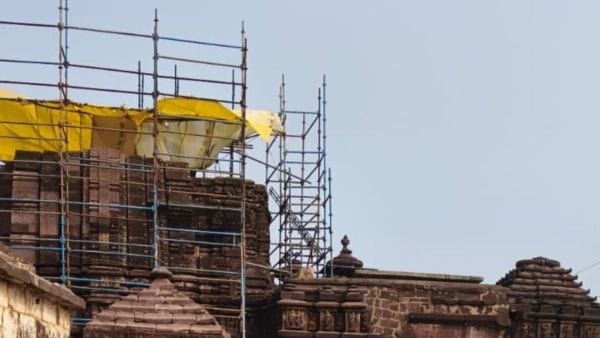 ASI restoration work underway at the Markanda temple in Chamorshi (Express Photo)
The larger challenge, however, remains perception, even among neighbouring districts such as Chandrapur.
“To counter this, we are reaching out to influencers and asking them to visit these places and share genuine reviews,” he says.
The company also plans to leverage footfall at Chandrapur’s Tadoba Tiger Reserve, beginning with tourism information centres at the reserve’s entry points. Other initiatives include identifying five locations for eco-tourism and exploring riverside camping near the Markanda temple, drawing inspiration from similar initiatives in Bastar’s Dantewada.
Story continues below this ad
Simultaneously, the company has begun documenting sites where gram sabhas are actively involved in community decision-making.
Employment generation remains central to the initiative, including involving locals in cultural experiences such as traditional home-cooked meals and guided treks.
“During treks and tourism activities, women from local Bachat Gats prepare traditional meals, which helps promote local cuisine. We also take local residents along on treks, as they know the terrain and can ensure safety. They are paid on a per-day basis, and if tourism becomes regular, this could turn into a stable source of income,” Nandgiriwar says, adding that a trek earns anywhere between Rs 500 to Rs 1,000.
The initiatives, he claims, are already changing local perspectives, breaking initial reluctance and drawing communities in. Residents of Koyanguda village in Bhamragad taluka, for instance, have agreed to participate in homestay initiatives.
Story continues below this ad
To address security concerns, TRIBee Tours coordinates closely with police outposts, especially for treks in interior areas. “In the last three years, we have not faced any Naxal-related threat. It’s safe here,” he says.

