4 min readHyderabadFeb 16, 2026 07:10 PM IST
The Game of Thrones universe delivered another gut-wrenching blow to viewers this weekend as HBO’s “A Knight of the Seven Kingdoms” aired its most devastating episode yet. Episode 5, titled “In the Name of the Mother,” saw the shocking death of Prince Baelor Targaryen, the heir to the Iron Throne, in what may become one of the franchise’s most tragic moments.
The episode centered on the highly anticipated Trial of Seven, a medieval combat ritual where Ser Duncan the Tall and his six champions faced off against Prince Aerion Targaryen and his fighters. What began as a battle to defend Dunk’s honor transformed into a watershed moment that will reshape the future of House of Targaryen.

In a stunning display of nobility, Prince Baelor chose to fight alongside the hedge knight Dunk, even though it meant taking up arms against his own brother Maekar and nephew Aerion. The decision underscored Baelor’s commitment to justice and honor, qualities that have defined his character throughout the season.
The combat itself proved brutal and bloody. While Dunk survived his severe injuries and ultimately forced Aerion to yield, claiming victory for his side, the triumph came at an unthinkable cost. After the battle concluded, Baelor requested help removing his helmet, mentioning his visor was cracked and his fingers felt numb. When his helm was finally removed, the horrifying truth emerged: the back of his head had been fatally crushed by his brother Maekar’s mace during the fight.
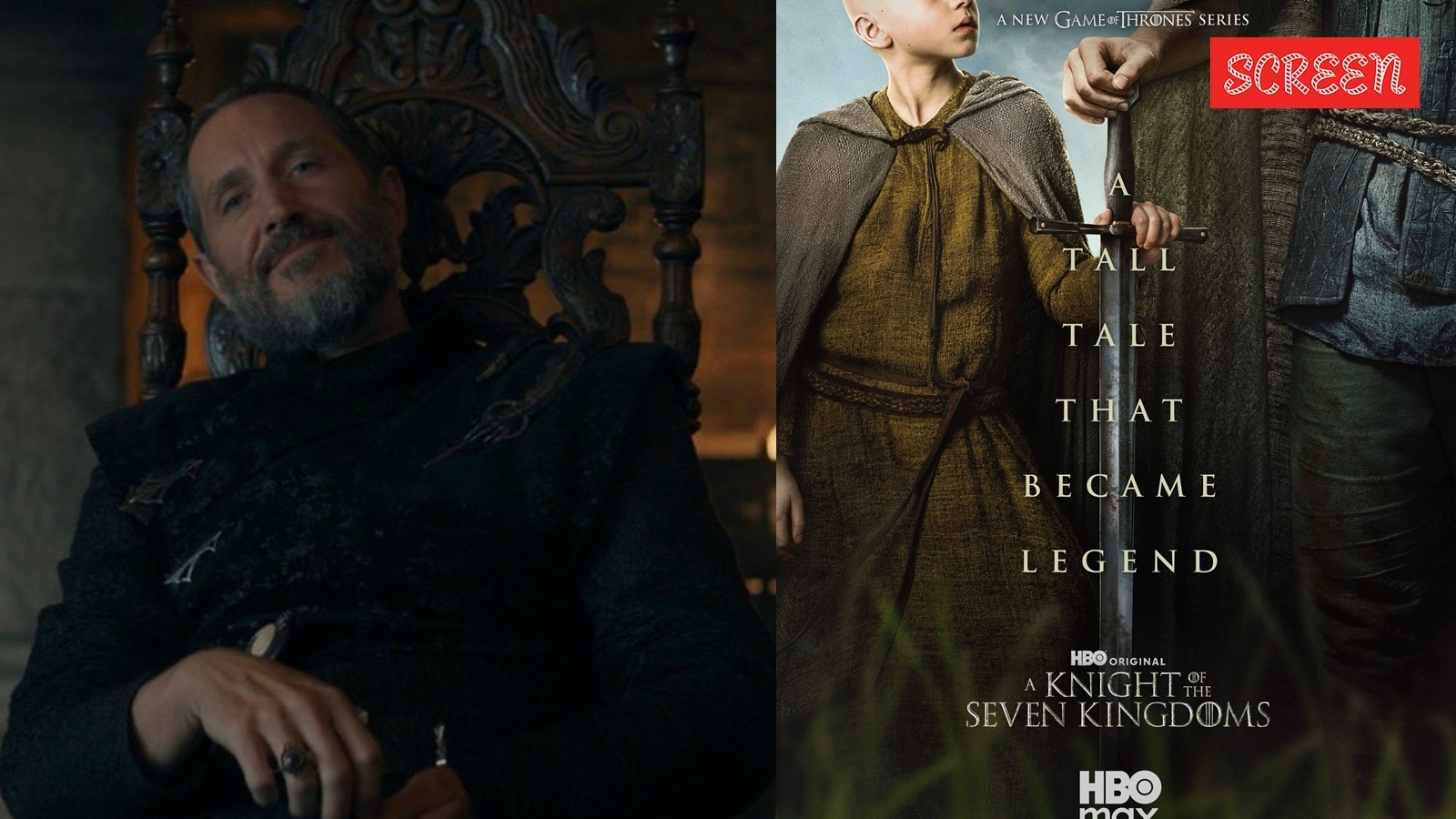
Actor Bertie Carvel, who portrays Baelor, revealed in interviews that the prince harbored no anger toward his brother. Even in his final moments, Baelor spoke admiringly of Maekar’s strength. The scene’s emotional weight intensified as Baelor collapsed into Dunk’s arms, with the hedge knight desperately apologizing while the life drained from the future king.
The ramifications of this death extend far beyond personal tragedy. Baelor’s demise fundamentally alters the Targaryen line of succession and, according to George R.R. Martin’s established lore, sets in motion events that will eventually lead to the family’s downfall depicted in “Game of Thrones.” Without Baelor’s wise leadership, the throne will pass through less capable hands, including his brothers Aerys I and Maekar, ultimately paving the way for the Mad King and Robert’s Rebellion generations later.
Story continues below this ad
The episode also connects to an earlier prophetic dream experienced by Baelor’s nephew Daeron, who envisioned a dead dragon whose massive wings covered the world. That dragon, viewers now understand, represented Baelor himself, a ruler who possessed the rare combination of strength, honor, and wisdom that could have secured House Targaryen’s position for generations to come.
With Ser Duncan bearing the psychological burden of a prince dying in his defense, the season finale on February 22 promises to explore the aftermath of this tragedy. Preview footage suggests tensions rising between Dunk and young Egg (Prince Aegon Targaryen), testing their bond as both grapple with grief and questions about duty, honor, and the cost of doing what’s right.
The death scene has already drawn comparisons to other iconic Game of Thrones moments, including Ned Stark’s execution, as another instance where George R.R. Martin refuses to let noble characters escape the brutal realities of his world. As the finale approaches, fans are left contemplating how one honorable choice in a trial by combat rippled through history to shape the fate of an entire realm.