3 min readNew DelhiFeb 17, 2026 01:00 AM IST
A beach holiday almost always ends the same way — sandy slip-ons, frizzy hair, and a tiny voice saying, “Let’s take a little piece of this paradise home.”
But before you slip that shell into your bag or bottle up some sand for memories, pause. Many seemingly harmless beach souvenirs can damage fragile ecosystems — and in some cases, even land you in legal trouble.

Here are five things you should absolutely leave behind.
Seashells
They may look abandoned, but seashells play a crucial role in coastal ecosystems. Empty shells become homes for hermit crabs and other small marine organisms. Over time, broken-down shells also contribute to sand formation and shoreline stability.
In several countries and protected coastal zones, removing shells in large quantities is illegal. Even where it isn’t, mass tourism can disrupt the natural balance. Archive photos, not shells.
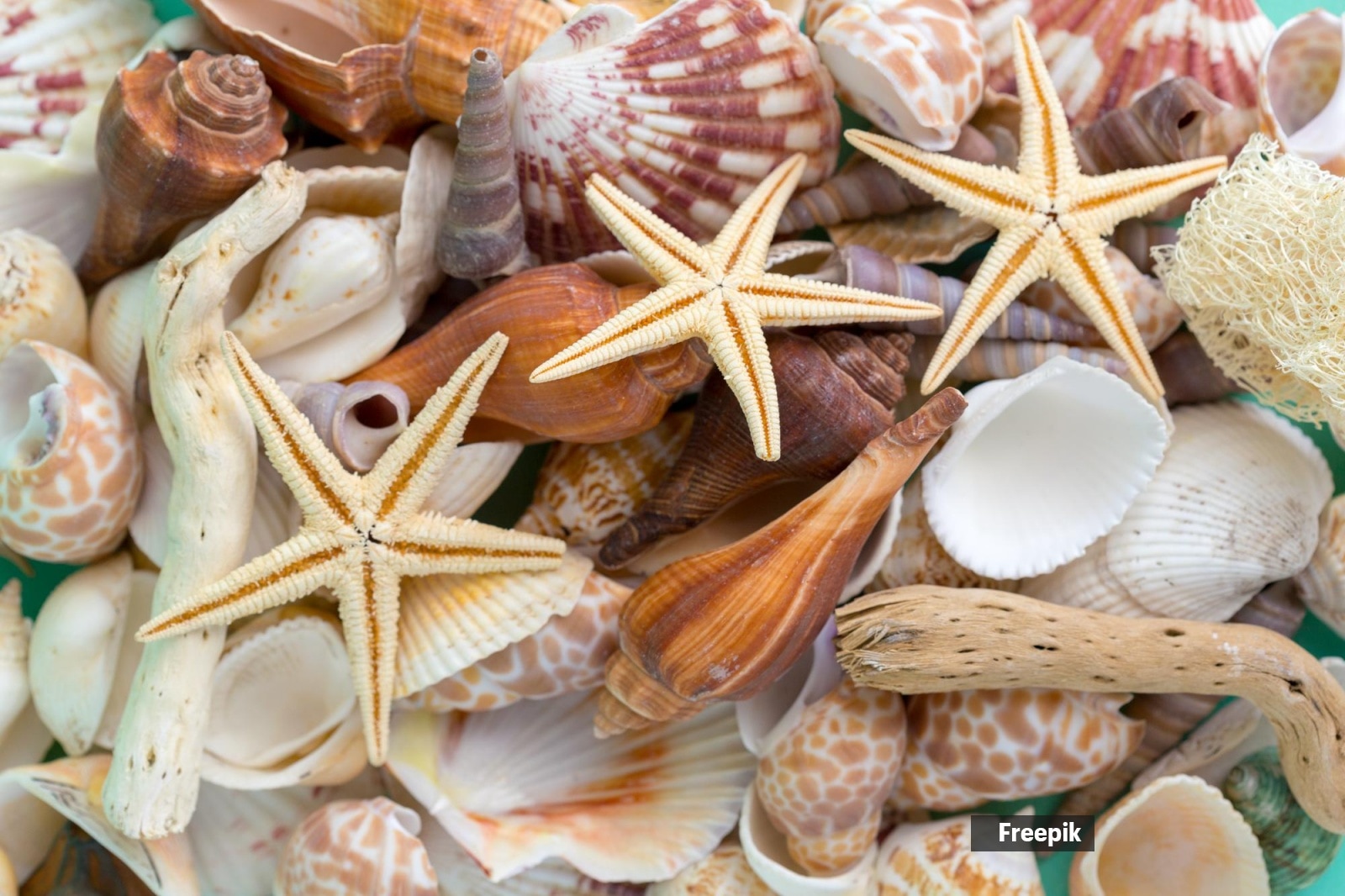 Beach souvenirs: what not to take home (Photo: Freepik)
Sand
It might seem harmless to fill a small bottle with beach sand, but when millions of tourists do it, the impact adds up. Certain beaches worldwide have reported significant sand loss due to souvenir collection.
In places like parts of Italy and Hawaii, removing sand is punishable by hefty fines. Sand also supports microorganisms and helps maintain the balance of coastal erosion.
If you want a memory, buy a locally made keepsake instead.
Story continues below this ad
Coral (even dead coral)
Coral — living or dead — should never be taken. Coral reefs are among the most delicate ecosystems on the planet, supporting marine biodiversity and protecting coastlines from erosion.
Even broken coral pieces contribute to reef regeneration over time. In many countries, removing coral is illegal and can result in fines or confiscation at airports.
If you see coral jewellery being sold, ensure it’s legally sourced and certified — but ideally, avoid buying it altogether.
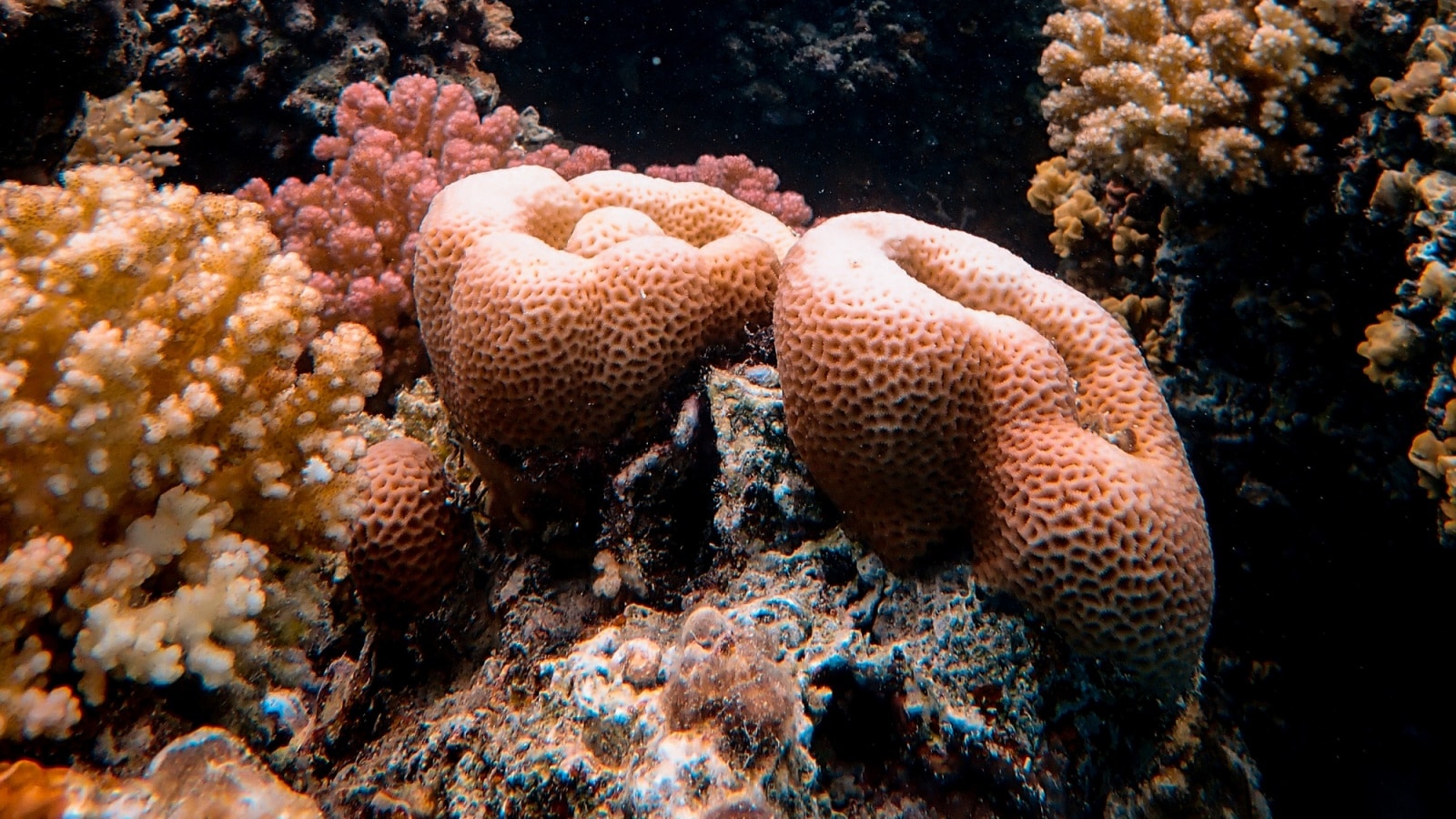 Coral (Photo: Freepik)
Starfish and marine creatures
Sometimes beach vendors sell dried starfish, seahorses, or other marine animals as souvenirs. Buying these products fuels harvesting that can damage marine populations.
Story continues below this ad
Starfish, for example, play important roles in maintaining reef ecosystems. Removing them — dead or alive — disrupts that balance.
Coastal Plants
Driftwood may look decorative, but it serves as habitat and protection for coastal species. Similarly, beach plants help stabilise dunes and prevent erosion.
Removing natural elements can weaken already fragile coastal systems—especially in areas prone to storms and climate change. If it’s part of the beach landscape, it belongs there.