3 min readMay 22, 2026 08:36 PM IST
California-headquartered Rocket Lab successfully launched a private Japanese Earth-observing satellite early Friday morning, continuing its long-standing partnership with Tokyo-based space company Synspective.
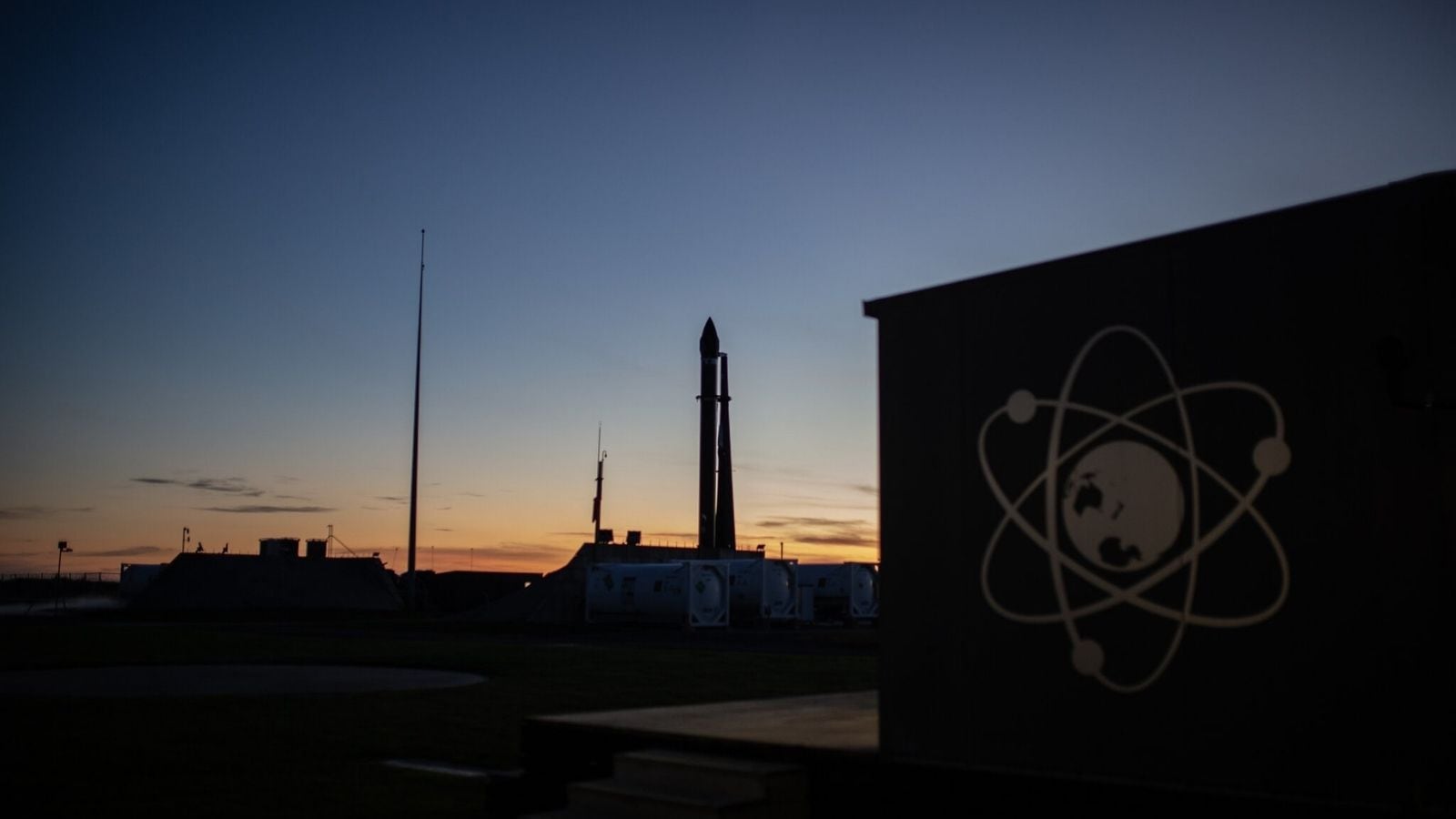
As part of a mission named ‘Viva La Strix’, the Synspective satellite lifted off aboard Rocket Lab’s Electron rocket from a launch site in New Zealand at 5.33 am EDT (3.03 pm IST). The launch carried one of Synspective’s Strix satellites into low Earth orbit, where it will become part of the company’s growing radar imaging constellation.

Synspective is building a network of Synthetic Aperture Radar (SAR) satellites designed to monitor Earth in all weather and lighting conditions. Unlike traditional optical satellites, SAR technology can see through clouds and operate even at night, making it especially useful for infrastructure monitoring, urban development planning, and disaster response.
The Strix name is inspired by a genus of owls, reflecting the satellite’s ability to observe Earth in darkness. Once deployed into orbit at an altitude of around 572 kilometres, the satellite will contribute to Synspective’s broader goal of providing reliable Earth observation data across Asia and beyond.
The ‘Viva La Strix’ launch marks Rocket Lab’s ninth mission for Synspective since the partnership began in 2020. Rocket Lab says it has already secured another 18 launches for the Japanese company through the end of the decade as Synspective continues expanding its satellite constellation.
The mission also adds to Rocket Lab’s growing reputation as one of the leading providers of dedicated small satellite launches. Its Electron rocket, which stands 18 metres tall, has now completed 78 launches since debuting in 2017. The vehicle has become a popular option for companies looking for flexible and relatively low-cost access to space for smaller payloads.
Also Read: Ahead of 2027 launch, Nasa starts Artemis 3 rocket assembly at Kennedy Space Centre
Story continues below this ad
Beyond Electron, Rocket Lab has also been developing its suborbital HASTE vehicle, which is used for testing hypersonic technologies and other advanced aerospace systems.
The successful launch highlights the increasing demand for Earth-observation satellites, particularly those capable of delivering high-resolution radar imagery. Governments and private companies are increasingly relying on such systems for environmental monitoring, disaster management, infrastructure tracking, and security applications.
© IE Online Media Services Pvt Ltd