4 min readChandigarhUpdated: May 27, 2026 10:00 PM IST
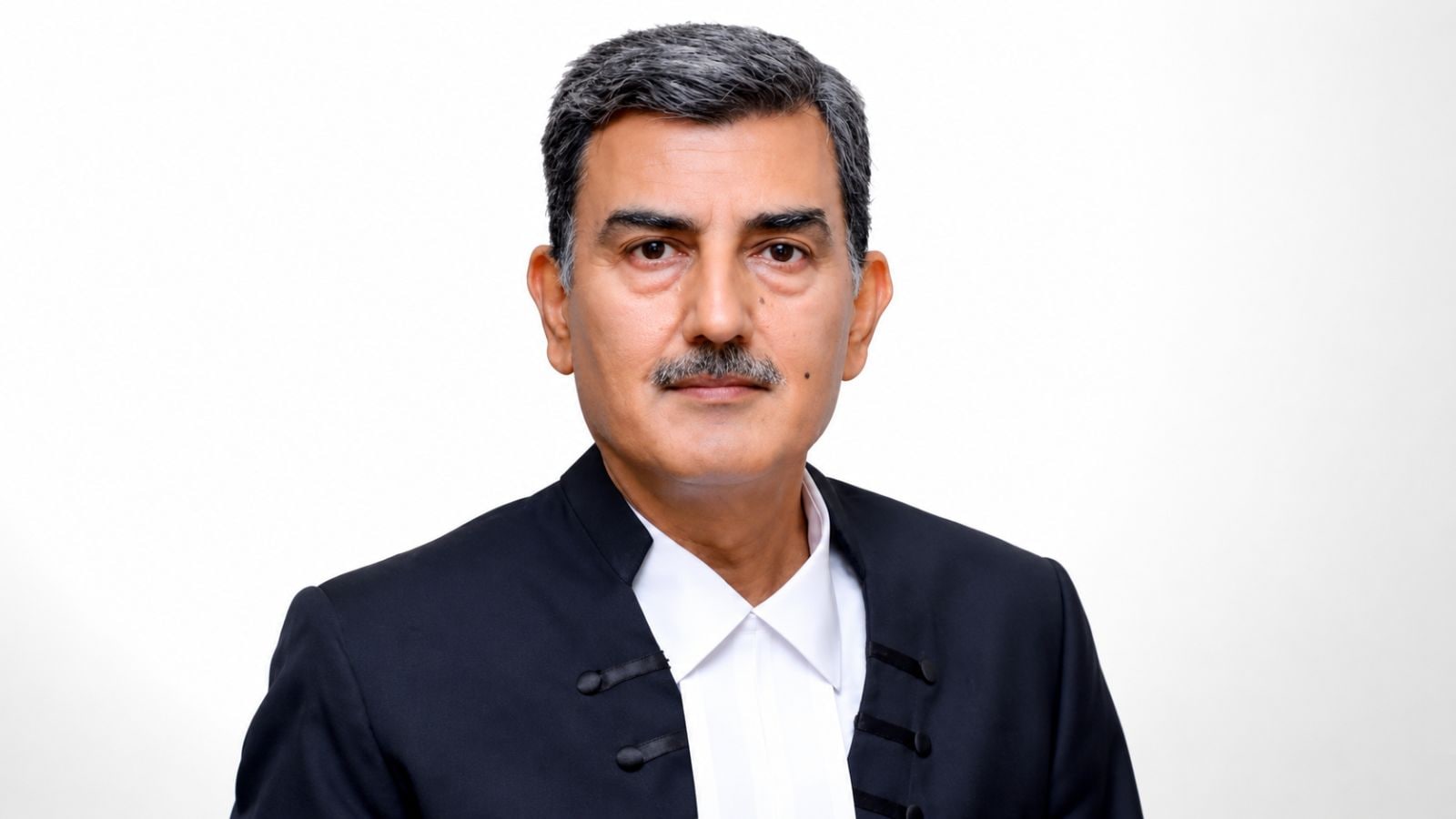
The Supreme Court Collegium has recommended the elevation of Punjab and Haryana High Court Chief Justice Sheel Nagu and Jammu and Kashmir and Ladakh High Court Chief Justice Arun Palli as judges of the Supreme Court.
The recommendations were made during the Collegium meetings held on May 22 and May 27. Besides Justice Nagu and Justice Palli, the Collegium also recommended the elevation of Bombay High Court Chief Justice Shree Chandrashekhar, Madhya Pradesh High Court Chief Justice Sanjeev Sachdeva and senior advocate V Mohana.

Justice Nagu, who assumed office as the Chief Justice of the Punjab and Haryana High Court on July 9, 2024, is currently serving as the 36th Chief Justice of the court. Born on January 1, 1965, he enrolled as an advocate on October 5, 1987, after completing his BCom and LLB degrees.
Before his elevation to the bench, Justice Nagu practised primarily on the civil and constitutional side at the Madhya Pradesh High Court in Jabalpur. He also handled service, labour and criminal matters and appeared in important cases before the Supreme Court, Delhi High Court and Himachal Pradesh High Court.
He was appointed an additional judge of the Madhya Pradesh High Court on May 27, 2011, and became a permanent judge on May 23, 2013. He later served as Acting Chief Justice of the Madhya Pradesh High Court before being appointed Chief Justice of the Punjab and Haryana High Court.
During his tenure of over 12 years as a judge of the Madhya Pradesh High Court, Justice Nagu authored more than 499 reported judgments. Since taking over at the Punjab and Haryana High Court, he has focused on reducing pendency and strengthening alternative dispute resolution mechanisms.
When Justice Nagu assumed charge, the High Court was functioning with nearly 55 judges against a sanctioned strength of 85 and faced a pendency of over 4.36 lakh cases. Under his leadership, the court has undertaken several initiatives aimed at faster disposal of cases and reducing backlog.
Story continues below this ad
These included encouraging mediation and Lok Adalats, particularly for long-pending and legacy matters. Under his supervision as Patron-in-Chief of the High Court Legal Services Committee, multiple Lok Adalats led to settlement of hundreds of cases and compensation awards running into crores of rupees.
Justice Nagu also promoted mediation drives, including a 90-day mediation campaign in Chandigarh that reportedly resolved more than 400 disputes, including decade-old cases. He has additionally stressed prioritisation of urgent matters involving elderly litigants and vulnerable groups.
Justice Palli, born on September 18, 1964, in Patiala, comes from a family with a long legal lineage. His great-grandfather and grandfather were lawyers in Patiala, while his father, Prem Kishan Palli, was a Senior Advocate who later became a judge of the Himachal Pradesh High Court.
He completed his BCom in 1985 and LLB in 1988 from Panjab University, Chandigarh, before beginning practice at the Punjab and Haryana High Court. Over the years, he handled civil, criminal, constitutional, revenue, industrial and labour law matters.
Story continues below this ad
Justice Palli also served as Additional Advocate General for Punjab from 2004 to 2007 and was designated as a Senior Advocate in April 2007.
He was elevated as a judge of the Punjab and Haryana High Court on December 28, 2013, and was appointed Chief Justice of the Jammu and Kashmir and Ladakh High Court in April 2025.

© The Indian Express Pvt Ltd