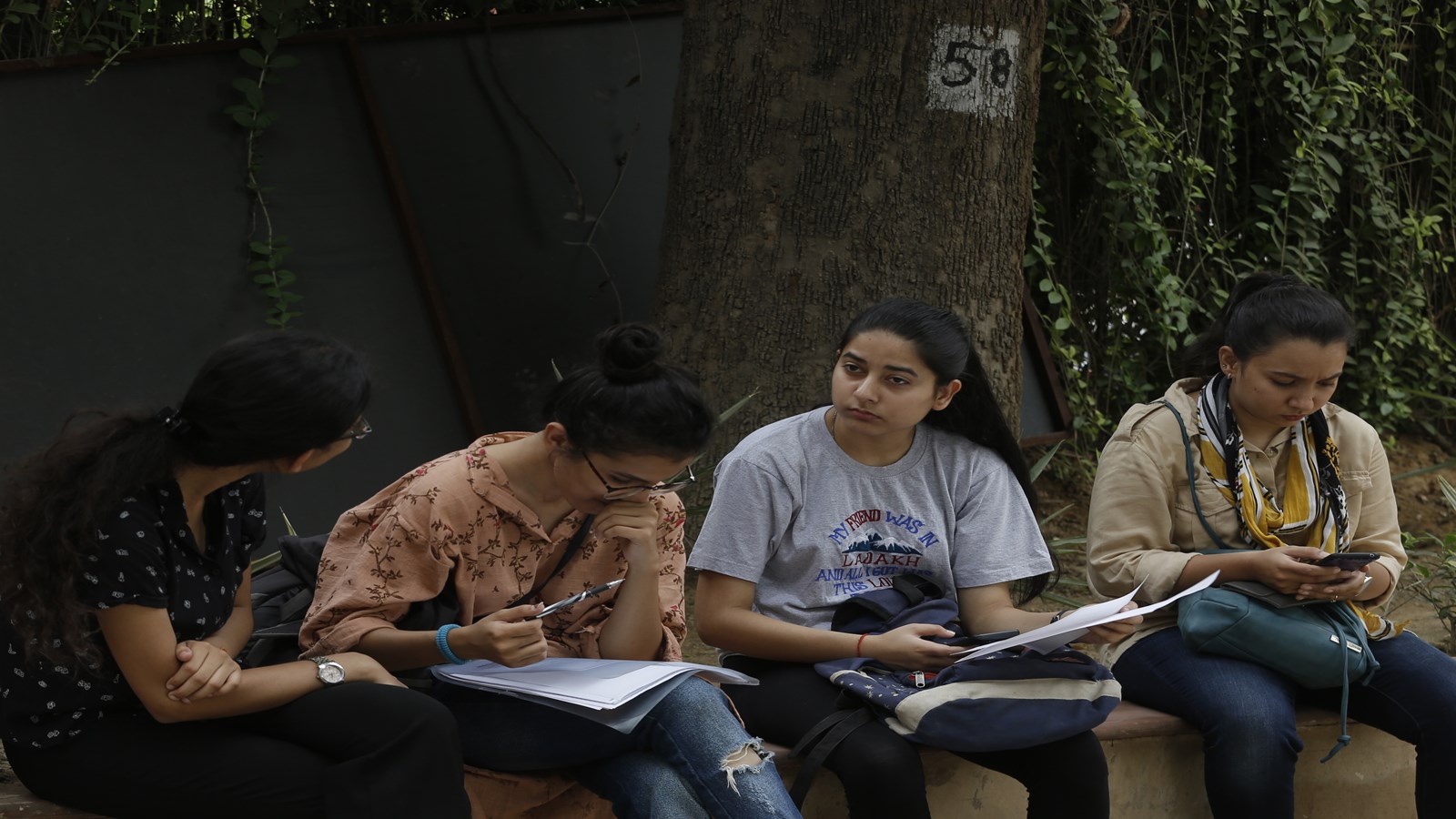
Every year, millions of young Indians organise their lives around competitive examinations. Attempt counts begin to replace calendars, while cut-offs and result dates start deciding moods, routines, and self-worth.
When I left Lucknow, my hometown, nearly two decades ago for Delhi to prepare for the Civil Services Examination, I believed what lakhs of young Indians still do: One examination could change everything. Having performed well throughout college and my master’s degree, I believed hard work and merit would eventually be rewarded.

In hundreds of small towns, lakhs of aspirants wake up every morning believing that one examination can change their and their families’ future. This is because in India, it has been ingrained in many of us that only a government job can provide stability, respect, and security, and relief from the uncertainties of the private sector. This is why millions continue preparing despite shrinking vacancies, delayed recruitments, paper leaks, technical glitches, and the growing youth employment crisis.
The aspirant’s dream
This journey of an aspirant usually begins with big dreams: UPSC, IIT-JEE, NEET. But as the years pass, the first timetable on the wall slowly turns into a calculation of attempts, age limits, and remaining savings. Preparation starts becoming less about ambition and more about survival. The financial pressure starts growing, and family expectations feel heavier. Many aspirants who once dreamed of becoming IAS officers or doctors begin preparing for any examination that offers stability: State PCS, SSC, railways, banking, teaching jobs, clerical posts, and police recruitment.
Trapped in a ‘daldal’ or swamp
This is where India’s examination culture starts feeling like a daldal or a swamp. The more time aspirants invest, the harder it becomes to leave. After spending five, six, sometimes even 10 years preparing, quitting feels like accepting defeat. So they continue believing that one more attempt may finally make all the sacrifices worth it.
Many aspirants spend their twenties inside small rented rooms with peeling walls, old books, and calendars marked with exam dates. Festivals slowly begin to feel like distractions. Weddings become reminders that life is moving ahead for others. Even phone calls from relatives turn into conversations they would rather avoid.
Some watch younger siblings start earning while they remain dependent on ageing parents. Others quietly calculate whether they can afford one more year of coaching, one more attempt, one more city.
The hardest part of this system is not always failure. It is the feeling of life standing still while everyone else seems to move ahead.
And yet aspirants continue. They continue because hope is powerful: The hope that one examination can change their circumstances, the hope that years of sacrifice will finally lead somewhere, and the hope that the system will reward hard work fairly. But that hope depends on the institutions that conduct these examinations. And increasingly, those institutions continue to show serious flaws.
Broken system, fragile trust
The NEET controversy exposed how fragile trust in India’s examination systems has become. Paper leaks, allegations of irregularities, technical glitches, and poor crisis management created panic among students and parents across the country. SSC and several other examinations are often delayed, cancelled, or caught in controversy. Even UPSC, one of the country’s most respected institutions, drops questions in the Civil Services Preliminary Examination because of ambiguity or errors.
And it is not just competitive examinations. Even at the school level, institutions responsible for conducting examinations often struggle to ensure smooth and reliable systems. Technology, instead of creating convenience, has frequently led to confusion. Students and parents regularly face portal crashes, technical glitches, and administrative chaos despite repeated promises of reform and digitisation. The recent glitches in the CBSE portal are a case in point.
For outsiders, a delayed examination or a dropped question may look like a small issue. For an aspirant, it can mean losing another year of life in forms of another year of rent, coaching fees, stress, and uncertainty.
This is the contradiction at the heart of India’s exam culture. Institutions demand perfection from aspirants, but often fail to maintain the same standards themselves.
The burden becomes even heavier for women aspirants. Most women prepare and aspire for a government job while dealing with marriage pressure, safety concerns, caregiving responsibilities, financial dependence, and constant scrutiny from relatives and society. Every delayed result or cancelled recruitment affects them differently because time is judged more harshly for women.
Hope is not enough
Preparation carries a loneliness that rarely gets discussed. Society celebrates selections publicly, but preparation is suffered privately. Nobody sees the anxiety before results, the guilt of spending family savings, or the embarrassment of answering the question: “What are you doing these days?”
An entire economy now survives on this uncertainty. Coaching institutes, PG owners, online educators, mentorship platforms, and motivational channels all benefit from endless preparation cycles.
For me, the turning point came when I realised that preparation could not become my entire identity. Someone gave me a simple but life-changing piece of advice: Convert your Plan B into your Plan A.
Looking back, I do not see those years as wasted. They taught me resilience, discipline, and important lessons about life and self-worth, despite the flaws and uncertainties of the system. A young person’s dignity and future should never be defined entirely by clearing one examination. Effort matters too.
The need of the moment is not to discourage aspiration, but to make the system more humane and practical. Conversations about exam reforms should not remain limited to cut-offs and toppers. India also needs serious discussions about mental health, alternative career paths, financial planning, and the idea that dignity should not depend entirely on examination success.
Families, too, must stop treating government jobs as the only respectable path in life. Aspirants must demand transparency and accountability from recruitment agencies and testing bodies. Institutions cannot repeatedly ask young people to invest their youth into examinations while failing to ensure fairness, reliability, and timely recruitment.
India proudly speaks about its demographic dividend and the strength of its youth population. But young people cannot survive forever on uncertainty and delayed opportunities. Hope is important. But hope alone cannot run a system.
Perhaps that is the real tragedy of India’s competitive examination culture. Millions of young people continue to believe in the system not because it always rewards them fairly, but because they feel they have no option except to keep believing.
The writer is senior copy editor, The Indian Express. manas.srivastava@indianexpress.com