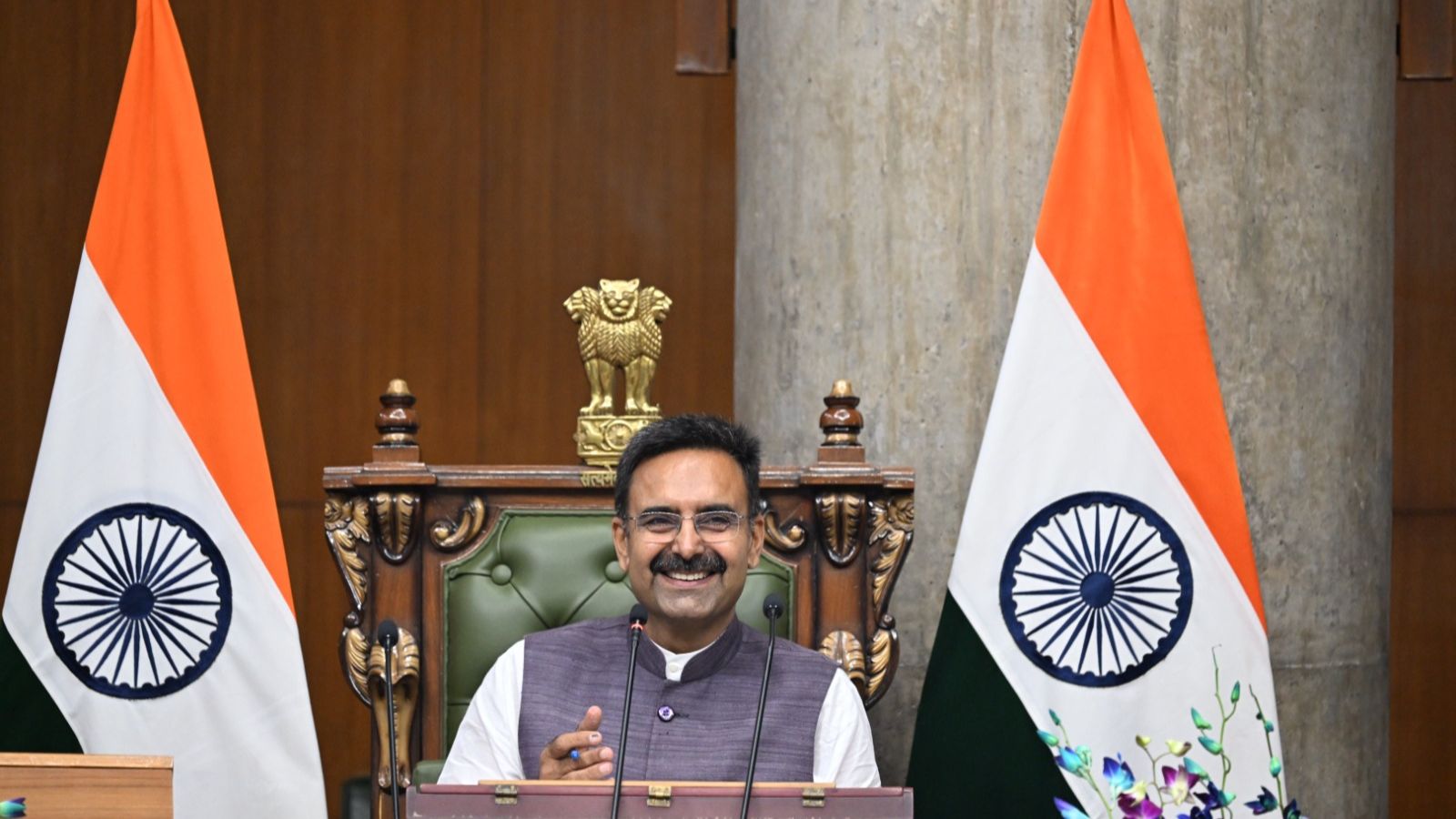
Haryana is hosting the North Zone Conference of the Commonwealth Parliamentary Association (CPA) for the first time, bringing together legislators and presiding officers from five northern states in Chandigarh from June 8 to 10. The conference, to be inaugurated by Lok Sabha Speaker Om Birla, will focus on the role of legislatures and an aware society in achieving the vision of ‘Viksit Bharat-2047’.
Speaking with Sukhbir Siwach, Haryana Assembly Speaker Harvinder Kalyan talks about how the event will provide a platform for sharing best practices among legislatures, an ambitious proposal to connect Parliament and State Assemblies through a common AI-enabled digital platform, and other issues. Edited excerpts:

Q: For the first time, Haryana is hosting the North Zone Conference of the CPA in Chandigarh. Why is this conference important, and what are the key issues that will be discussed?
Harvinder Kalyan: The conference will be attended by around 90 delegates, including speakers, deputy speakers, and legislators from Haryana, Punjab, Himachal Pradesh, Jammu & Kashmir and Delhi. Such conferences provide an important platform for legislators to exchange ideas, discuss common challenges and share best practices in legislative functioning. The conference will focus on strengthening democratic institutions and preparing legislatures to effectively address emerging challenges.
Q: What is the theme of this year’s conference?
The theme of the conference is ‘Role of an Aware Society and Legislature in Realising Future Challenges and the Goals of Viksit Bharat-2047’. The discussions will focus on the role of an informed society and effective legislatures in achieving the vision of Viksit Bharat. Presiding officers, including some of the special invitees, from more than a dozen states are expected to participate. The core agenda is to formulate strategies to address future challenges, create awareness about them and prepare institutions to respond effectively.
Q: There is a proposal to bring Parliament and State Assemblies on a common digital platform. What is the objective behind this initiative?
Story continues below this ad
The initiative is being undertaken under the leadership of Lok Sabha Speaker Om Birla and is aligned with Prime Minister Narendra Modi’s vision of leveraging technology for governance. The objective is to create an AI-enabled digital platform connecting Parliament and State Legislatures across the country. The platform will digitise legislative records, including debates and speeches. This will enable members to search and access previous discussions on specific subjects with ease. While the National e-Vidhan Application (NEVA) has already helped make legislatures paperless and streamlined their internal functioning, the proposed AI-enabled platform aims to connect legislatures.
Q: How will the proposed platform function?
The platform will allow legislatures to share their best practices, innovations and successful initiatives. This exchange of knowledge will encourage other states to adopt effective practices that have yielded positive results elsewhere. For example, Haryana has focused extensively on capacity building and has established a research wing to strengthen the committee system. Such initiatives can be shared through the platform, allowing other legislatures to learn from and adapt them according to their needs.
Q: How will this benefit legislatures?
At present, legislative functioning is largely confined to individual states. The proposed platform will create a nationwide network of legislative institutions. For instance, legislators in Haryana will be able to study innovative practices adopted by Assemblies in Assam or Karnataka, while legislators in Kerala can learn about Haryana’s initiatives. Parliament, State Assemblies and Legislative Councils will all be part of this integrated platform, facilitating greater collaboration and institutional learning.
Q: As Speaker, what are your priorities for the Haryana Legislative Assembly?
Story continues below this ad
I have visited 13 State Legislatures apart from Parliament and observed several best practices. Based on these experiences, my focus is on four key areas: capacity building, strengthening research support, improving the committee system and enhancing coordination between the legislature and the executive.
Kerala, for example, established a dedicated institute for legislative research and capacity building several years ago. Inspired by such initiatives, Haryana launched its own capacity-building plan in 2025 and has regularly been conducting training workshops since the beginning of the current Assembly’s tenure.
Q: What steps have you taken to ensure MLAs get adequate opportunities to raise public issues in the Assembly?
We have streamlined Zero Hour proceedings to ensure that more MLAs get an opportunity to raise issues of public importance. Depending on the duration of the session, members are generally allotted three to five minutes each to present their concerns. The number of Assembly sittings had already increased during the previous Assembly term, and during the last one-and-a-half years, we have further increased the number of sittings to facilitate greater legislative participation.
Story continues below this ad
Q: How does the Haryana Assembly assist MLAs in becoming more effective legislators?
Before being elected, legislators primarily engage with people at the grassroots level. Once they enter the Assembly, they must learn legislative procedures, parliamentary devices and institutional mechanisms to effectively represent public concerns.
A legislature’s real strength lies in its committee system. Committees examine government functioning, scrutinise CAG reports and evaluate public policies in detail. To support legislators in these responsibilities, Haryana has established a dedicated research wing that provides professional assistance to members, committees and committee chairpersons.
This research support enables committees to function more effectively, strengthens legislative oversight and ensures that governments give due consideration to committee recommendations.