

4 min readNew DelhiMar 5, 2026 01:00 AM IST
When we think of deserts in India, Rajasthan’s golden dunes instantly come to mind. But the country’s arid landscapes stretch far beyond the Thar. From icy cold deserts and shimmery white salt flats to fossil-rich plains and red dunes, India offers desert experiences that are surprisingly underexplored.
1) Stargazing in the cold desert of Ladakh
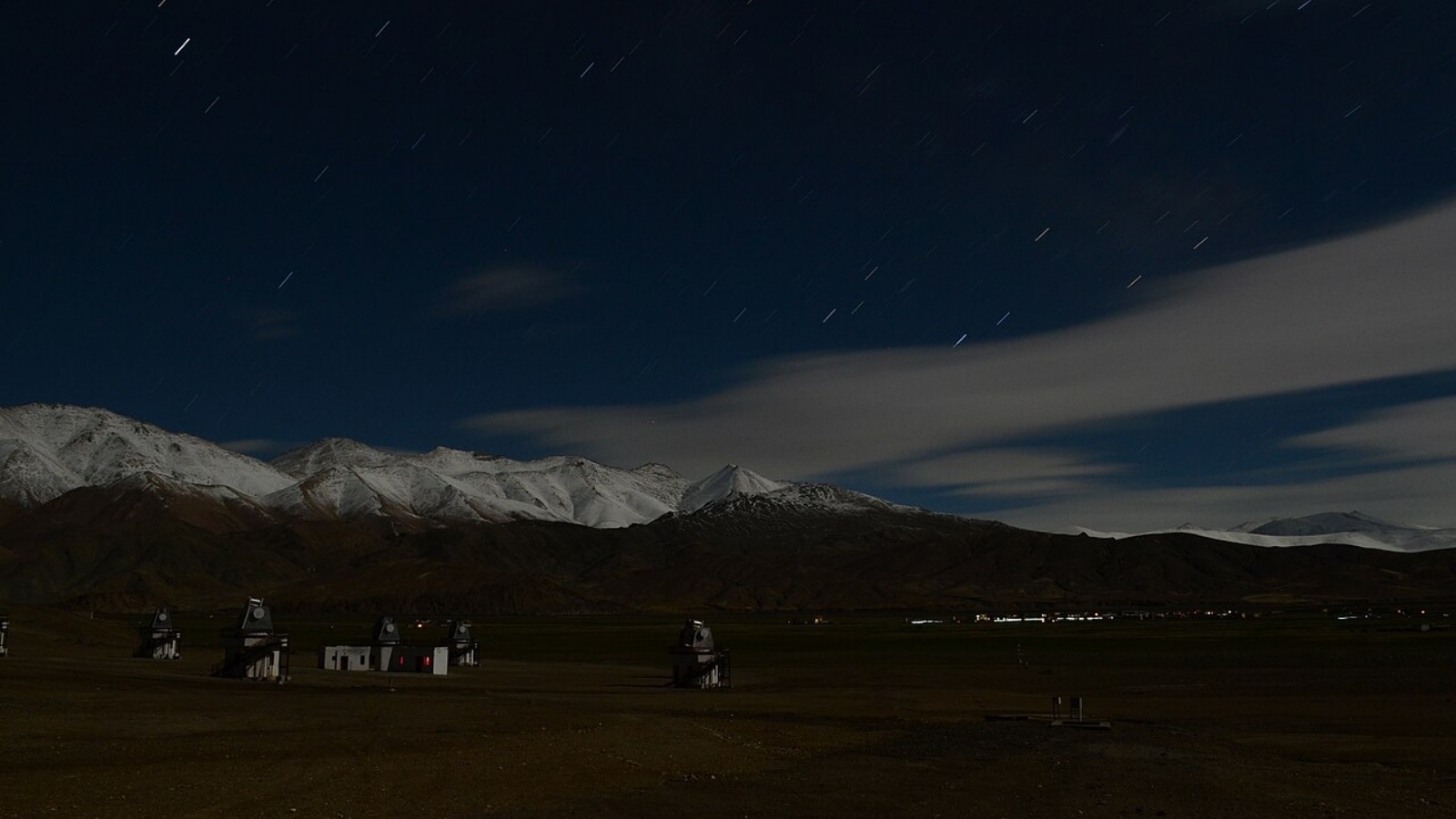 Hanle, Ladakh (Photo: Wikipedia)
When people think desert, they imagine heat. But Ladakh flips that narrative. Often called India’s “cold desert,” this high-altitude region is stark, dramatic, and almost lunar — especially around places like Nubra Valley.

What makes it unique? The silence and the sky. With minimal light pollution and thin mountain air, Ladakh is one of India’s best stargazing destinations. On clear nights, the Milky Way stretches visibly across the horizon. Add to that double-humped Bactrian camels in Hunder’s dunes, and you have a desert experience that feels worlds away from the Thar.
Best time: May to September
2) Walking on salt at the Great Rann of Kutch
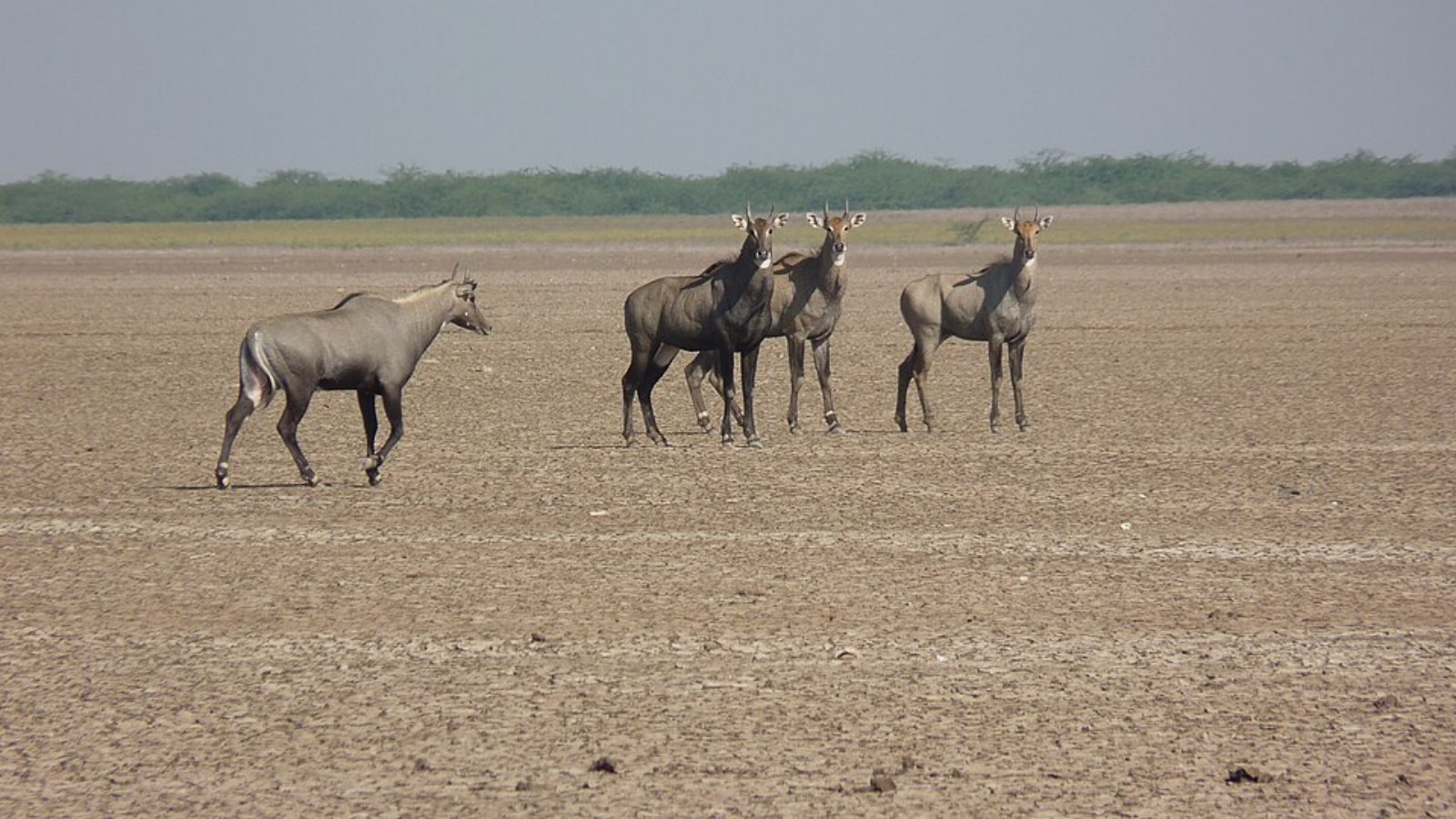 Nilgai group at the Little Rann of Kutch (Photo: Wikipedia)
This isn’t sand, it’s salt. Stretching endlessly in Gujarat, the Great Rann transforms into a blinding white salt desert after the monsoon waters recede. During the day, the cracked earth shimmers under the sun. By night, it glows silver under moonlight.
The annual Rann Utsav adds another layer to the experience, with folk performances, handicrafts, and tent stays. But even outside the festival, walking barefoot on the crunchy salt flats at sunrise is unforgettable.
Best time: November to February
3) Exploring ancient marine life at Wood Fossil Park, Dholavira
Deserts preserve history, sometimes from millions of years ago. Near Dholavira in Gujarat’s Kutch region, fossil parks reveal remnants of ancient marine organisms, reminding visitors that this arid land was once under the sea.
Story continues below this ad
Combine this with a visit to Dholavira, one of the most remarkable sites of the Indus Valley Civilisation, and you get a desert experience rooted in deep time — geological and human. It’s less about dunes and more about discovery.
Best time: October to March
4) Trekking through the rolling grasslands of Dzukou Valley
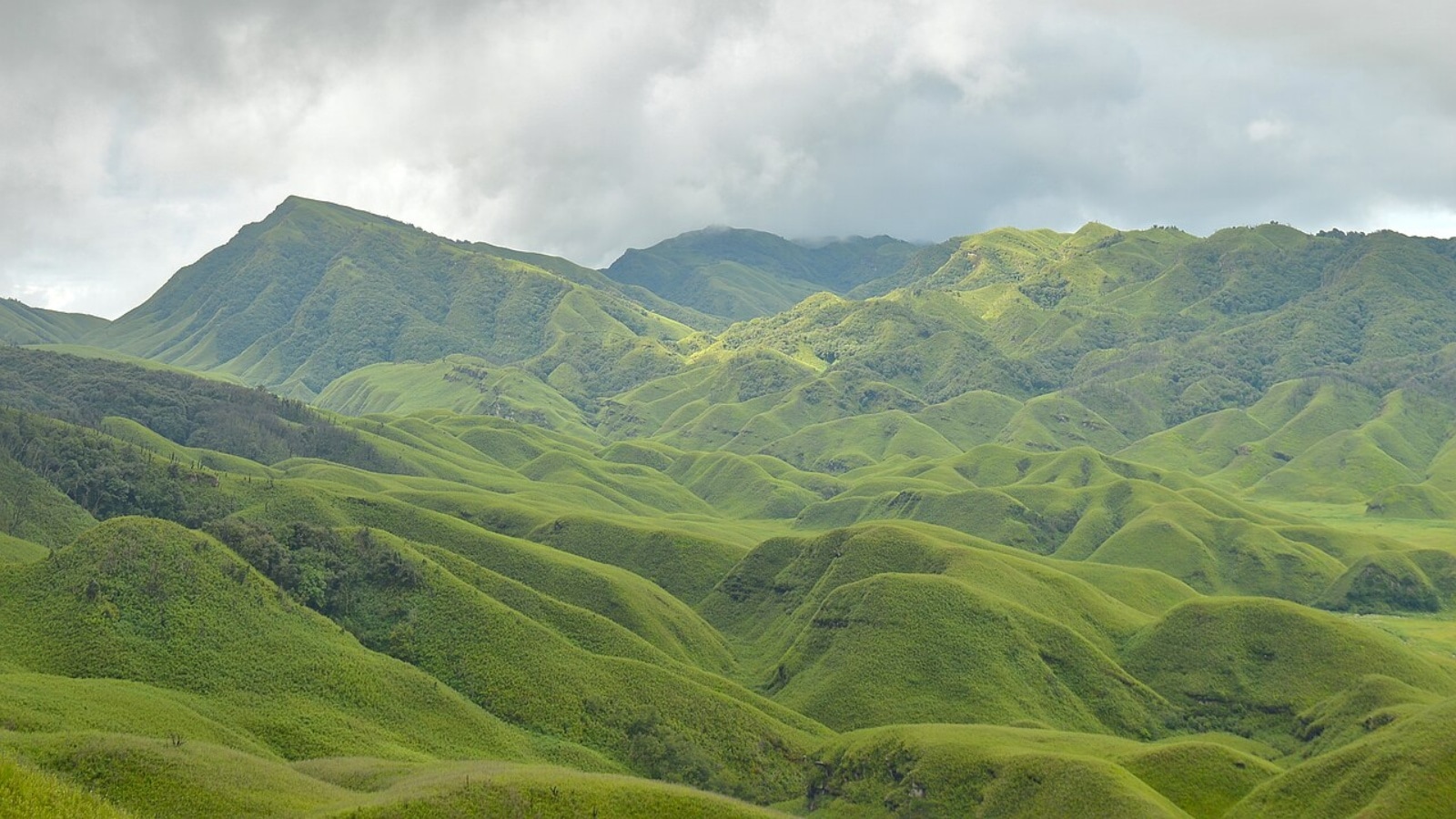 Dzukou valley is known for its lush landscape (Photo Wikipedia)
Not all deserts are sandy — some are defined by sparse vegetation and extreme seasonal shifts. Dzukou Valley, on the border of Nagaland and Manipur, offers a high-altitude plateau that turns stark and dry in certain months, resembling a meadow-desert hybrid.
While monsoon brings flowers, winter strips it down to dramatic minimalism. Trekking here means camping under wide-open skies and witnessing landscapes that feel untouched.
Best time: October to April for clearer terrain
5) The red sand dunes of Theri Kaadu
In Tamil Nadu’s Thoothukudi district lies Theri Kaadu — a lesser-known desert of striking red sand dunes. Unlike Rajasthan’s golden hues, these iron-rich dunes glow rust-red under the sun.
Story continues below this ad
Also called the ‘red sand desert, the region is dotted with palm trees and small villages, creating a rare coastal-desert contrast. It’s quiet, photogenic, and largely unexplored by mainstream tourism — ideal for travellers seeking something unusual.
Best time: October to March