5 min readMumbaiUpdated: Apr 12, 2026 09:25 PM IST
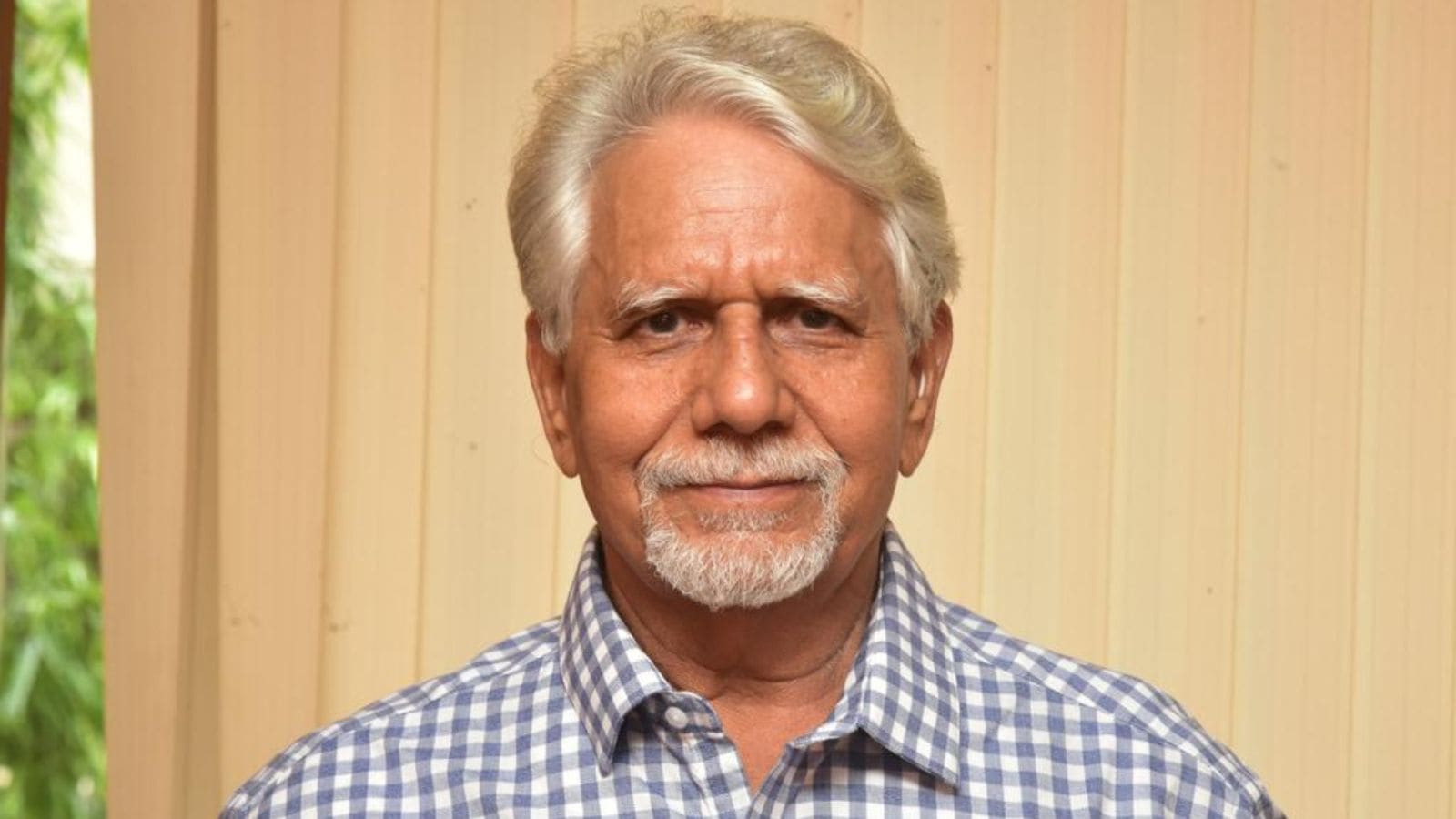
Former IPS officer K.P. Raghuvanshi, who headed key investigations and specialised units such as the STF and ATS, and recently released his biography “Troubleshooter” speaks to Manish Kumar Pathak on policing pressure, high profile terror probes and building the C 60 anti Naxal force in Gadchiroli.
Q: What prompted ‘Troubleshooter’ and what does it aim to bring out?
The book has been written by journalist Jitendra Dixit, who has been in touch with me for nearly two and a half decades, since my time in the STF. Initially, I was not keen on a book being written about me or my career. However, over the years, he kept hearing various incidents and experiences from my service, especially from my tenure in Gadchiroli. He believed that those needed to be documented as a book. About four years ago, he and a mutual friend strongly encouraged me, and I finally agreed. The book reflects my journey, experiences, and the realities of policing that are often not visible to the public.

Q: You set up the C-60 force in Gadchiroli to take on Naxals. What challenges did you face?
At that time, Naxal activity in Gadchiroli was very aggressive and the police force was demoralised. Personnel were being threatened and killed. When I took charge as SP, I realised that involving local tribal youth who understood the terrain and language could be a game changer.
Without formal government sanction, I recruited 60 local tribal youths as constables. There was always a fear that if anything went wrong, the government would question my decision. At that time, police rarely conducted night operations while personnel were being killed and weapons looted.
These youths were later trained and the unit was named C-60. We equipped them with AK-47 rifles, which boosted confidence. The strength grew and results followed. The real credit goes to my successor who strengthened the force further. Today, it has around 800 personnel and has been recognised as a model across the country.
Q: Your ATS probe into the 2006 Malegaon blasts differed from later findings. Do you still stand by your investigation?
The case was initially investigated by Nashik rural police and later transferred to the ATS. We gathered evidence, recorded statements and filed charges. However, there was a delay of seven to eight years in the trial. Witnesses failed to identify the accused after such a long gap and even the approver retracted his statement.
The case was later handled by the CBI, which supported the ATS findings. Years later, when the NIA re investigated the case, a different angle emerged. But those accused were also discharged. I still believe the ATS detection was correct. In terrorism and naxal cases, investigation should be left to the agency without prejudice.
Q: You have written about pressure to name RSS functionary Indresh Kumar in the 2008 Malegaon case. How did you respond?
When I took charge of the ATS after the 26 11 attacks, the 2008 Malegaon case was ongoing. Questions were raised about why Indresh Kumar was not arrested. I maintained that action can only be taken based on credible evidence.
Story continues below this ad
I was also labelled anti-Muslim and there were allegations that my role would affect the probe. These concerns were even raised before the Prime Minister and Sonia Gandhi. At that time, I was holding additional charge of the ATS while serving as railway commissioner. A petition was filed in the Bombay High Court on why a full time ATS chief had not been appointed. The court directed the government to fill the post within 15 days, following which I was appointed as full time ATS chief.
Q: What are key lessons you would give to young police officers?
Young officers must remain committed to the law and maintain intellectual honesty without prejudice. They deal with real people and real problems, so empathy is essential.
Every case has two sides. It is important to remain professionally honest because favouring one side may lead to injustice for the other. Ground level policing requires not just legal knowledge but also humanity and balance. Honesty, clarity and impartiality are crucial for making fair decisions.
Q: In the case involving Bal Thackeray, what led you to conclude there wasn’t enough evidence to proceed with an arrest?
After the Babri Masjid demolition in 1992, Mumbai witnessed riots and the 1993 bomb blasts. The Justice Srikrishna Commission was set up and later indicted Balasaheb Thackeray for inciting violence. In 1999, when the Congress NCP government came to power, a Special Task Force was formed to implement the report, and I was appointed to lead it.
The government had made a commitment to implement the Srikrishna report. Bhujbal’s insistence was driven by a strong personal animosity. He would say, “Raghuvanshi… Suryavanshi, whoever you are… Why are you scared of arresting Bal Thackeray?”
Story continues below this ad
My stand was that we must first collect enough evidence before making an arrest. The two key witnesses failed to support the case. Congress leader Chandrakant Handore later said in writing that nothing had happened in front of him. The STF’s legal advisor also advised against prosecution. I resisted the pressure because there was no evidence. Eventually, in July 2000, the court disposed of the case within minutes as it was time barred.

© The Indian Express Pvt Ltd