

4 min readNew DelhiFeb 14, 2026 01:00 AM IST
Prateik Smita Patil, formerly Prateik Babbar, opened up about developing a hate for his parents, which came from a space of unresolved trauma, while growing up. Prateik shared that he hadn’t identified himself as the son of yesteryear actor Smita Patil for the longest time. “I was still battling with my own identity. I didn’t accept it back then, but I have embraced it with grace and pride. Now I am Prateik Smita Patil, and I have completely embraced her identity. Earlier, it was difficult. Rather, I was confused with what I was,” Prateik, 38, said.
He also recalled that since Smita passed away during childbirth, he “didn’t spend time with her and because of that, I developed a hate for her and my father. Both my parents”. “Being unavailable, growing up and everything…being different…people treating me differently and looking at me with pity…it was just different…I think because of that, I started hating them…I didn’t want to be associated with them. So as much as people were comparing me to her, jo hai so hai (it is what it is). It didn’t bother me…it didn’t affect me…I don’t care…it was more like let people speak…let them say…what they had to say…”

Adding, the Dhobi Ghat actor told Bollywood Bubble that “1000 per cent, we are capable of hating our parents”. “Very generically, in our teens, whether we had trauma or not, we hate our parents. The emotions we feel in our teens and the 20s…it’s spiralling and I don’t think we can feel those emotions much later…I think it is normal for teenagers to rebel against their parents…that rebellion can be without a cause and can easily turn into hate…”
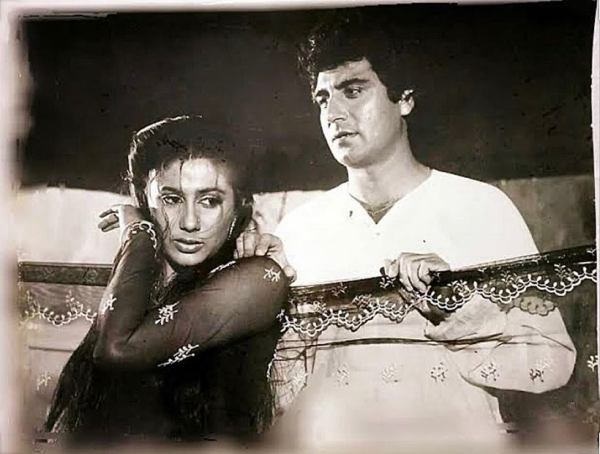 Raj Babbar and Smita Patil (Express Archives)
When it comes to trauma, it is very easy to hate your parents…” when you know that something wasn’t right…it’s extremely difficult to forgive”, he added.
Acknowledging that the Babbars and him did try to make “amends and tried to form a bond”, he added, “we never shared…a close (bond)…I couldn’t have this (forgiveness) conversation with him…and it’s okay…it is just the nature of the situation”.
He also emphasised how it is extremely easy to hate, but challenging to forgive and forget. “I would advise something which has helped me with deep-rooted trauma. It’s difficult to forgive, but you have to…you have to be the bigger person, but don’t forget. If you forget, then you are dishonouring the emotions that you went through…those emotions were real…they destroy…they tear you apart…unless you are in a position when you are okay….for a person like me…I don’t think I will forget…I have forgiven…”
How rebellion can turn into hate/trauma, and what can help
Story continues below this ad
While rebellion is normal; and there is a possibility that your needs, emotions or how you are feeling was chronically invalidated, or not paid attention to, that’s when then you tend to have some trauma where rebellion is not out of basic teenage burst or anger, but it is more deep-rooted, said clinical psychologist Divya Ratan.
Acceptance is key to understanding what has gone wrong. “This includes all of it, the sadness, the neglect, the anger, and the guilt, without you judging yourself,” said Divya.
Setting boundaries in terms of your physical space also helps.
Therapy and journaling help a lot, where you mention all the thoughts you can’t openly talk about. “Once you go to therapy, they teach you how to re-parent yourself in terms of the emotions. Forgiving a person and moving on is the most valued emotion you can show in these situations,” said Divya.