4 min readNew DelhiApr 10, 2026 10:16 AM IST
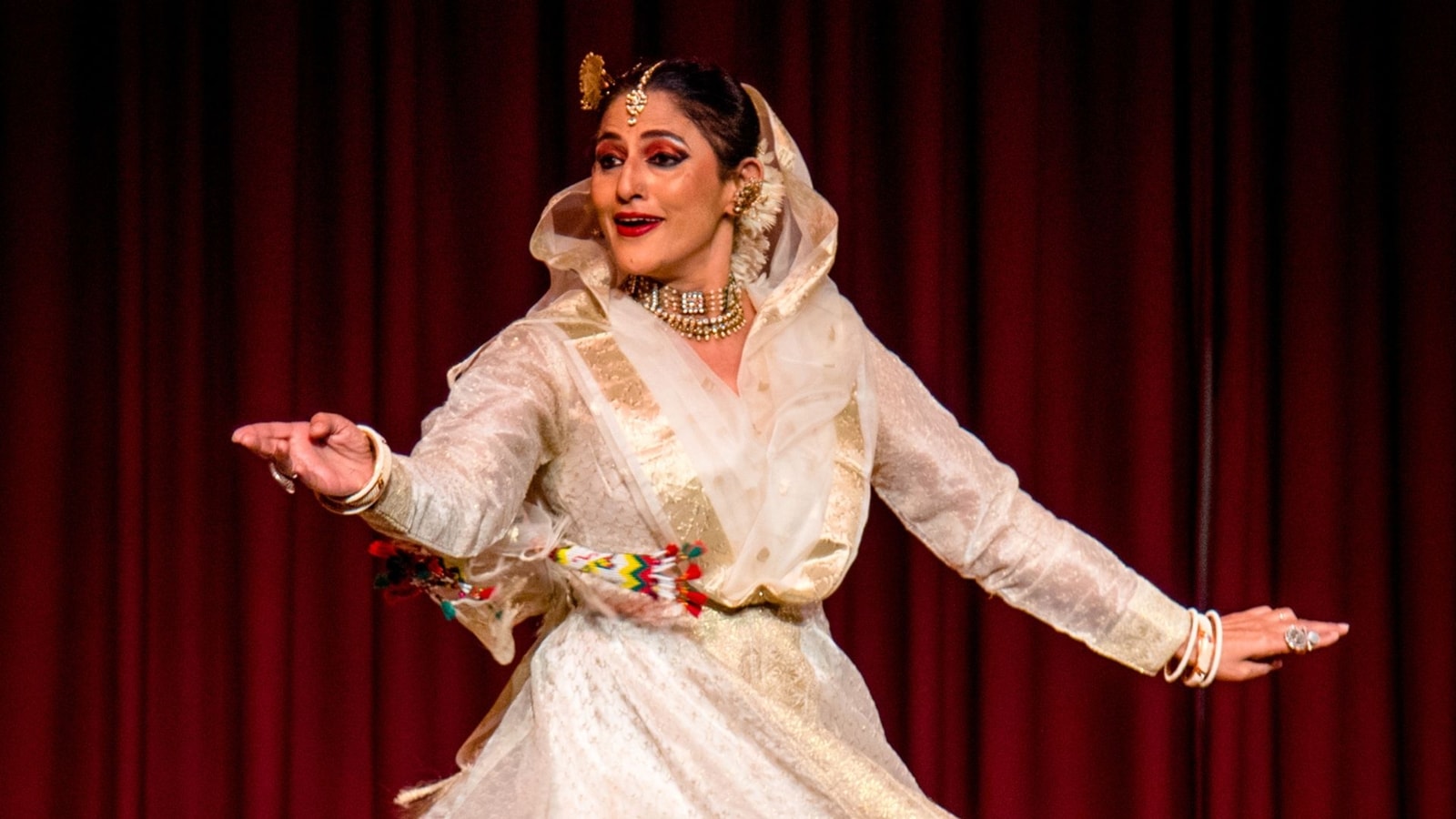
“You cannot do a solo performance in the truest way if you don’t have live musicians,” says Kathak dancer Navina Jafa, as she prepares to perform her new ambitious production Sair-e-Motorcar, which brings vintage automobiles into the grammar of classical dance.
Commissioned by car collector Diljeet Titus and directed by Maya Kulkarni, the 90-minute solo, to be staged at Triveni Kala Sangam on Friday, will unfold as a five-part narrative. But for Jafa, the production is as much about the content as it is about the form. “As a senior artist, I want to offer new ways of presenting Kathak and resurrect the solo performance,” she says. She adds that even though there is a structure to her performance, when she actually starts doing her pieces, there is an openness to it.

This openness is what she calls upaj or improvisation. It is central to her practice. “Your talent is tested by how much improvisation you can do,” she explains, adding, “That cannot happen with recorded music, where everything is fixed. You can admire the skill, but creating bhava becomes very difficult.” Working with live musicians has meant embracing unpredictability.
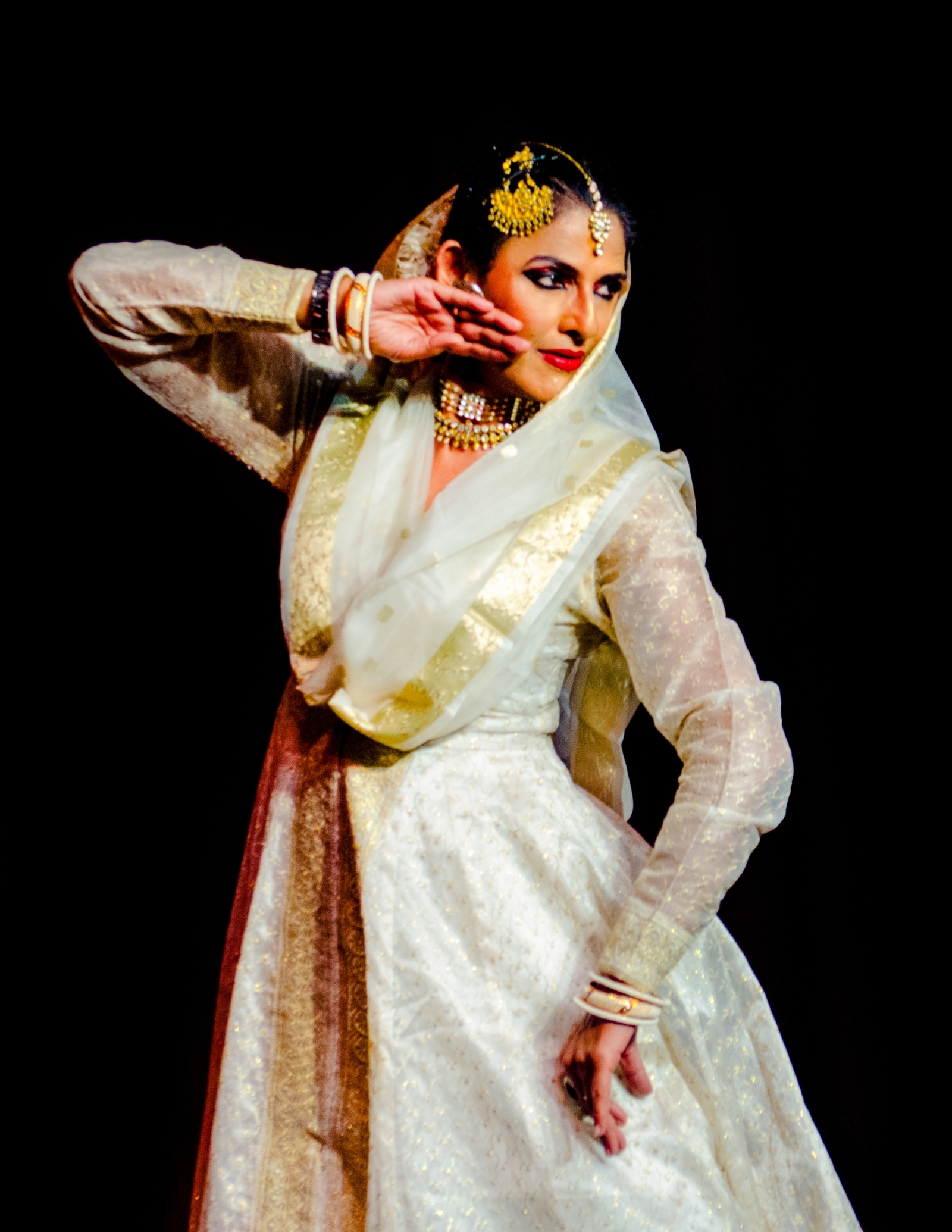 Commissioned by car collector Diljeet Titus and directed by Maya Kulkarni, the 90-minute solo, to be staged at Triveni Kala Sangam on Friday, will unfold as a five-part narrative. (PR handout)
At the heart of Sair-e-Motorcar lies an unusual provocation: how do you translate the world of vintage cars into Kathak? “Here is a completely unconventional theme. On one hand there is the industrial imagery of a car and on the other you have these romantic, idiosyncratic stories of collectors and mechanics.” The idea took shape after a visit to the Titus Museum. After seeing the exhibits, the idea of a solo built around it came to her.
Jafa wrote the script herself. “I sat down with a fountain pen and wrote it in five acts,” she says.
A wandering poet, Firdausi Mirza, becomes the narrative thread, moving between past and present. These stories range from childhood fantasies – like a boy who dreams of growing trees that bear toy cars. There are whimsical episodes involving royal figures and vintage motorcycles. These stories lead into dance segments that translate mechanical experience into movement.
The choreography, developed with Kulkarni, pushes the expressive limits of Kathak while staying within its vocabulary. “I didn’t want to compromise Kathak,” Jafa insists. “The idea was to remain within its grammar but allow the audience to feel the presence of the car.” The body becomes the vehicle: “If you are entering a car, your body bends slightly, as if holding the door and seat. For a gravel road, your body responds to the bumps. For speed breakers, you show the jerk.” Even the illusion of driving is carefully constructed. She adds, “To show the wheel, your hands are at a 45-degree angle, and the body moves with speed.”
The production also attempts to rebalance what Jafa feels is a contemporary understanding of Kathak. “There is an over-emphasis on speed and acrobatics. With the consecutive chakkars, it becomes like a roller coaster — thrilling, but the audience doesn’t get time to relish the bhava.” By reintroducing storytelling and measured pacing, she hopes to restore emotional depth to the form.
© The Indian Express Pvt Ltd