

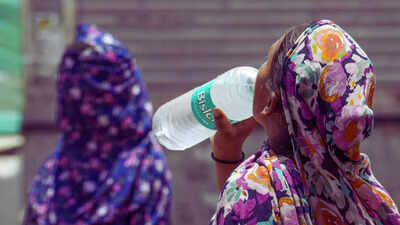
BENGALURU: Even before the peak of summer, parts of south India are witnessing an unusual spike in ultraviolet (UV) radiation levels. In Bengaluru, a relatively moderate maximum temperature of 32°C on Tuesday coincided with a sharp surge in UV radiation. The afternoon UV Index touched 13 — categorised as “extreme” under World Health Organization (WHO) standards. Weather officials said the rapid rise in UV levels, rather than the temperature alone, was the more concerning development. Sources at IMD Bengaluru noted that although temperatures remained below the early summer threshold of 34°C, the rapid rise in UV levels — from 10 to 13 in less than two days — was a cause for concern. “Any UV Index reading above 8 is considered harmful, and prolonged exposure at current levels significantly increases the risk of sunburn, premature skin aging, eye damage, and, over time, skin cancer,” an IMD official said. UV intensity largely depends on the thickness of the ozone layer, which shields the Earth from harmful radiation. Experts warned that the combination of strong sunlight and elevated UV radiation can increase the risk of dehydration, heat exhaustion and heatstroke, particularly among people who work outdoors for extended hours.
Radiation alert in Kerala
Authorities in Kerala have also flagged similar concerns. The Kerala State Disaster Management Authority (KSDMA) issued an ultraviolet radiation alert after several districts recorded high UV Index values. Konni, Chengannur and Munnar recorded a high UVI of 8, while Kottarakkara, Changanassery, Ollur, Thrithala and Mananthavady recorded UVI levels of 7. Earlier, the authority noted that districts including Kollam, Pathanamthitta, Alappuzha, Kozhikode and Palakkad had recorded a UV index of seven, while Idukki touched eight. KSDMA warned that continuous exposure to UV radiation for long periods can lead to sunburn, skin diseases, eye problems and other health issues. The highest UV radiation levels are typically recorded between 10am and 3pm. The authority advised the public to avoid prolonged direct exposure to sunlight during these hours. It also cautioned that outdoor workers, including construction labourers, farmers, traffic police and gig workers delivering food on two-wheelers, should exercise additional care while working under direct sunlight. Officials advised people to take preventive measures such as wearing full-sleeved cotton clothing, wide-brimmed hats, UV-protective sunglasses and applying high-SPF sunscreen when outdoors.