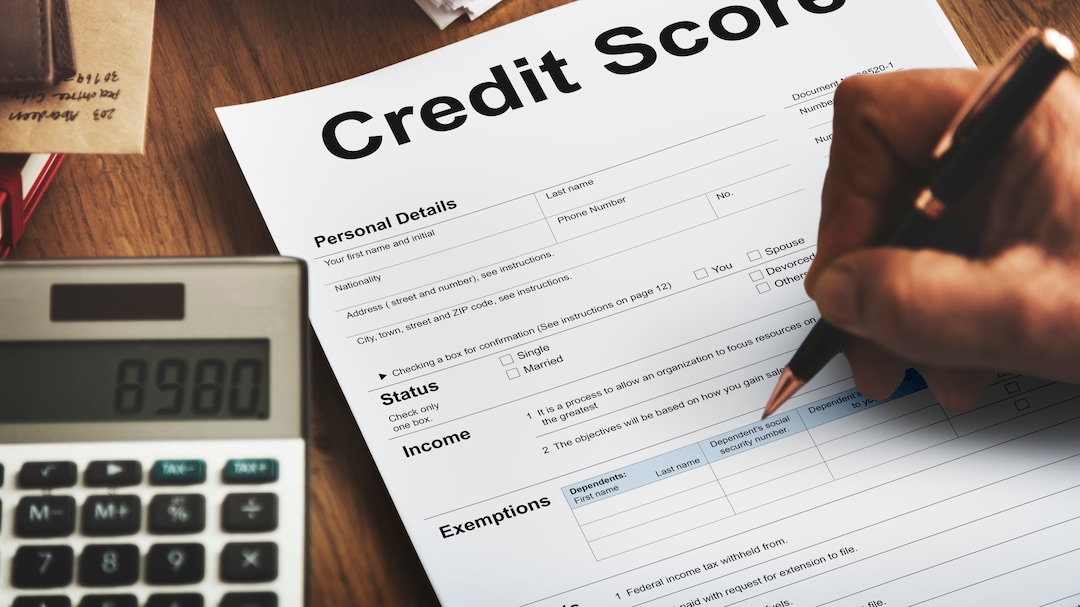
In order to obtain loans and other borrowing facilities on favourable conditions, it is crucial to maintain a high credit score. When evaluating applications for credit cards, home loans, education loans and other borrowing products, lenders frequently assess credit scores.
Depending on personal financial behaviour and past credit history, it is possible to make modest but significant increases in credit ratings within 30 to 90 days by adhering to responsible financial habits.
Examining your credit report thoroughly and correcting any mistakes as soon as possible is the first step to raising your credit score. At the same time, avoid applying for several new credit instruments at once and make sure to pay off any current outstanding dues within the deadline.
Repay Loans And Credit Card Bills On Time
Timely repayment is one of the most important factors affecting your credit score. Whether it’s a secured loan or an unsecured loan, missed or delayed payments can harm your credit profile. Lenders may view late payments as a sign of poor creditworthiness or lack of repayment intent, which could limit your access to loans in the future. Setting up automatic payments is an effective way to ensure bills are always paid on time.
Keep Your Credit Usage Low
Credit utilisation is the percentage of your available credit limit that you actually use. Ideally, it should stay below 30%. High utilisation of the approved credit card limit can signal over-reliance on borrowings and may negatively affect your score.
Check Your Credit Reports Regularly
Errors or unauthorised entries in your credit report can harm your score if left unchecked. Regularly reviewing your report allows you to spot discrepancies and take action immediately. If you find any mistakes, raise a complaint with the relevant credit bureau to get them corrected.
ALSO READ: In Your 40s? Here’s The Five-Point Plan For A Stress-Free Retirement
Avoid Multiple Loans Or Credit Applications
Taking out several loans or credit cards in a short period can increase repayment pressure and raise the risk of defaults. Repeated late payments may lead lenders to reduce credit limits, reject new credit applications, raise interest rates, or even restrict access to existing credit facilities.
Keep Older Credit Accounts Open
Closing long-standing credit cards or loan accounts can hurt your score because it reduces your overall credit history and available borrowing limit. Keeping older accounts active shows stability and helps improve the average age of your credit, which is beneficial for your score.
Maintain A Balanced Credit Mix
A healthy credit profile includes a mix of secured loans, like home or car loans, and unsecured credit, like personal loans or credit cards. Managing different types of credit responsibly signals to lenders that you can handle diverse borrowing. This can positively impact your credit score.
Clear Dues Fully And Avoid Settlements
Accounts that remain unpaid or are marked as settled can lower your credit score for years. Paying off your dues completely and on time protects your credit profile and contributes to long-term creditworthiness.
Essential Business Intelligence,
Continuous LIVE TV,
Sharp Market Insights,
Practical Personal Finance Advice and
Latest Stories — On NDTV Profit.