4 min readNew DelhiUpdated: Jun 16, 2026 11:57 AM IST
The Union Health Ministry has amended the rules to remove “syrups … for cough” from Schedule K— the list of medicines exempted from the requirement of a prescription by a registered medical practitioner. Lozenges, pills or tablets for cough continue to remain on the list.
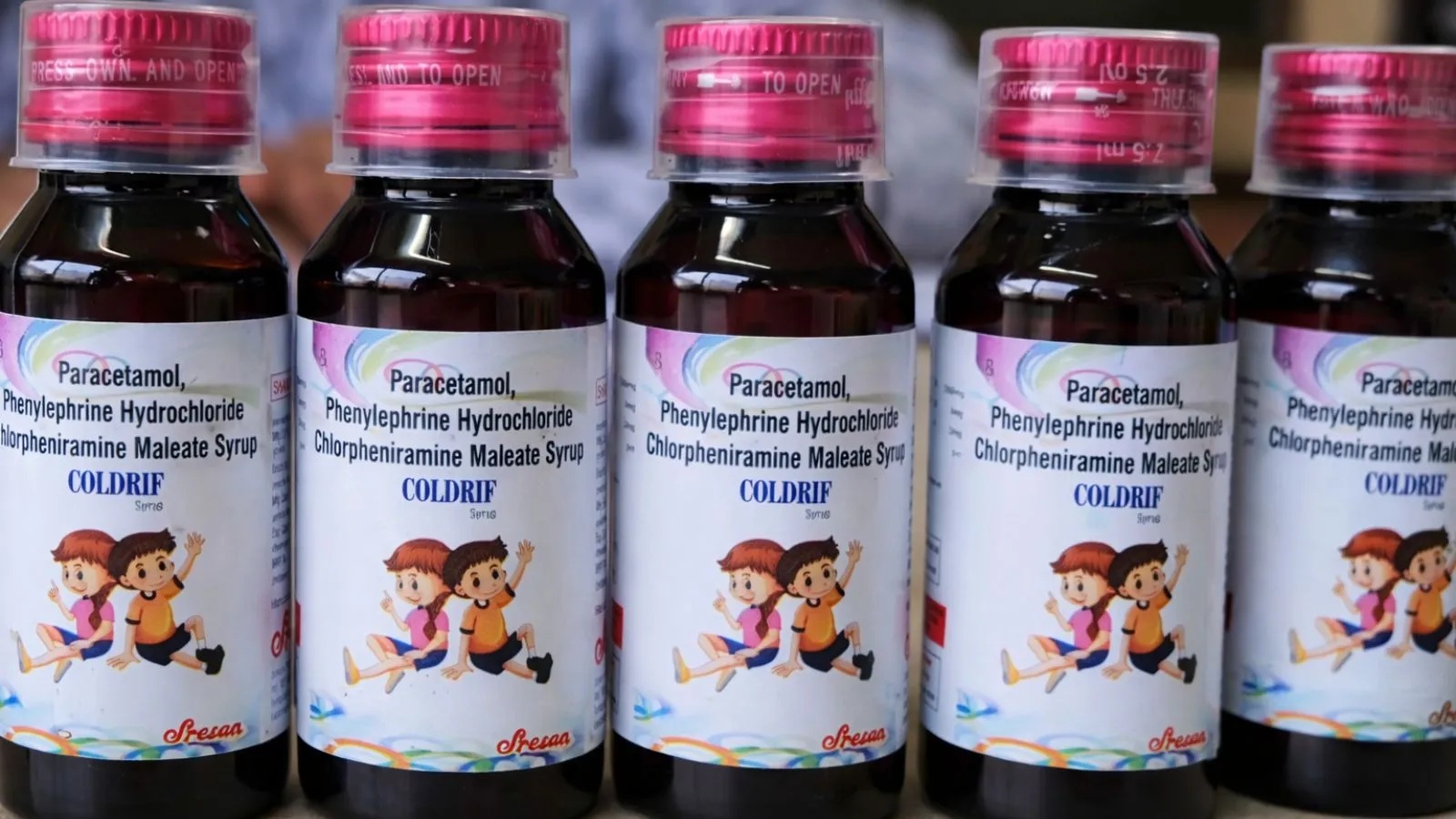
The Centre had released the draft guidelines, inviting stakeholder comments in December last year. The move came months after at least 22 children died in Madhya Pradesh’s Chhindwara district after consuming contaminated cough syrups. At the same time, there were reports of children in Rajasthan dying after consuming cough syrups but in that case they took syrups not meant for young children.

What does this mean?
Now, you would not be able to go to your neighbourhood pharmacy to get a cough syrup if you need one. All cough syrups — including the addictive ones containing opioids such as codeine — will now require a doctor’s prescription.
Why was this done?
The move comes after a spate of cases of contaminated cough syrups — in India and other countries — leading to deaths of children including the case in Madhya Pradesh.
The matter was discussed in a meeting of the apex drug regulator’s Drug Consultative Committee in November last year, right after the case in Madhya Pradesh. The committee of experts said: “DCC was apprised about the recent incidence due to contaminated cough syrup and it was proposed that the exemption provided under …Schedule K … in respect of syrups for cough may be deleted. DCC deliberated the matter and approved the proposal.”
The committee also looked at whether excipients other than propylene glycol — which is understood to be the source of the contaminants ethylene glycol and diethylene glycol — can be used for the manufacturing of syrups.
Importantly, mandating prescriptions for cough syrups would ensure children do not end up taking formulations such as dextromethorphan — which is not meant for those under the age of four or six years — that can cause severe respiratory depression and death in them.
Story continues below this ad
Have there been other instances of DEG/ EG poisoning?
The syrup linked to the Madhya Pradesh deaths was manufactured by a company in Tamil Nadu containing 48.6% of the toxic contaminant diethylene glycol (DEG). The maximum permissible limit of this contaminant in medicines is 0.1%. However, the incident in Madhya Pradesh is not an isolated one.
In fact, an alert was raised by the World Health Organisation in 2022 following reports of 70 children dying in The Gambia and another 18 dying in Uzbekistan after consuming syrups manufactured by a Haryana based and an Uttar Pradesh based company. This prompted the government to mandate a testing of all batches of syrups meant for export at Central or State drug testing laboratories.
Yet, it did not solve the problem of contamination in syrups being sold within the country, as witnessed by the case in MP.
In 2020, at least 17 children had died in Jammu and Kashmir’s Ramnagar after consuming a cough syrup manufactured by a Himachal Pradesh based company. The syrup was later found to contain 34.97% DEG.
Story continues below this ad
Another 33 children had died in Gurugram in 1998 after consuming a syrup manufactured by a company based in the same district. The syrup was later found to contain 17.5% DEG. Around 150 children were brought with acute kidney failure to Delhi’s Kalawati Saran Children’s Hospital, which rang the alarm bells.