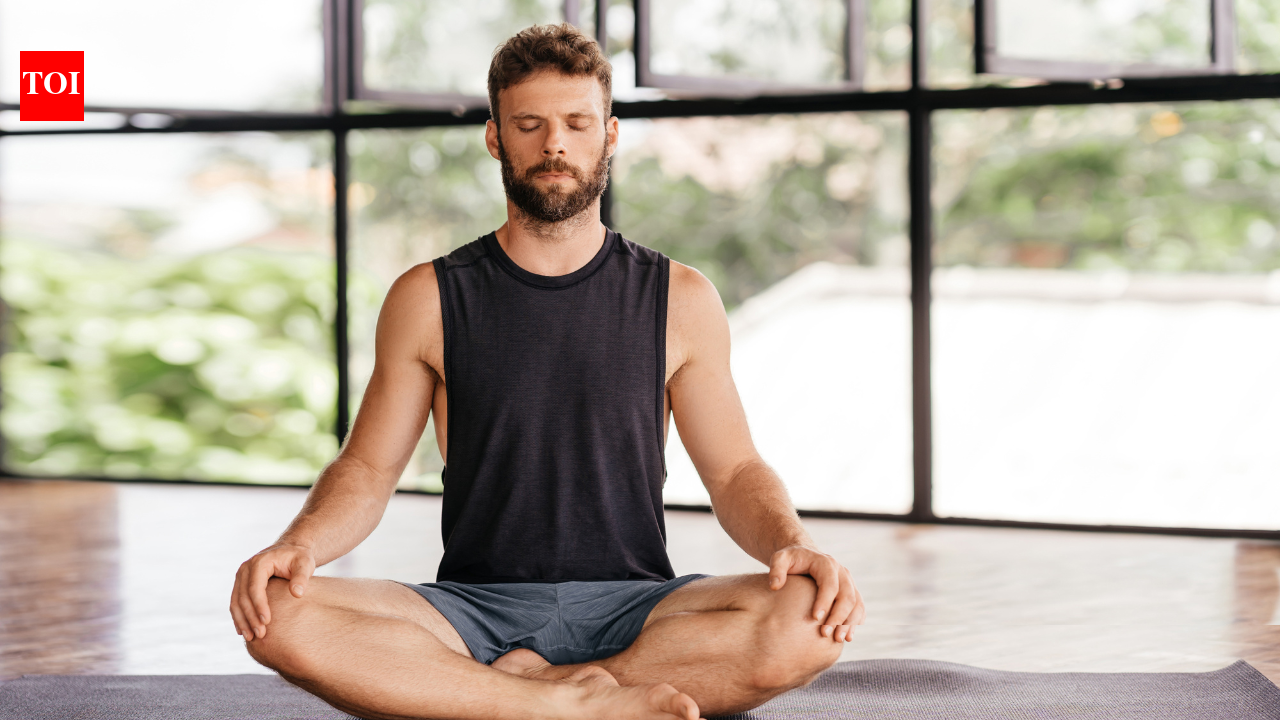
Testosterone does more than drive reproductive health. It affects muscle mass, bone density, energy, mood, cognitive function, the whole picture of how a person functions day to day. Levels naturally drop with age. Stress, poor sleep, weight and not moving enough all make it worse.There’s growing research interest in whether yoga can slow that process. The strongest case is through stress. Chronic stress raises cortisol, which suppresses testosterone production. Yoga consistently brings cortisol down, the research on that is fairly solid. The nervous system calms, sleep improves, and the hormonal disruptions that come with living in a permanent state of fight-or-flight start to ease off.Sleep is the other main mechanism. A significant chunk of daily testosterone release happens during deep sleep. Yoga and meditation improve sleep quality, which sounds mundane but has real downstream effects on hormonal health. Regular practice also reduces abdominal fat and improves insulin sensitivity, both of which matter for testosterone levels.Yoga doesn’t synthesize testosterone. No amount of Cobra Pose tells your Leydig cells to get busy. Traditional yogic systems like Surya Namaskar and Bridge Pose are believed to support circulation and endocrine balance, but the direct evidence is limited. What the research does show is improvement in broader reproductive health markers, sperm quality, oxidative stress reduction, quality of life, which may indirectly reflect healthier testosterone levels.If you have a clinical hormonal disorder, yoga isn’t a substitute for medical treatment. But for most people, it’s a legitimate piece of a larger puzzle. Combined with exercise, decent sleep, and a reasonable diet, it’s one of the more sustainable things you can do for your hormones.(Dr Narendra K Shetty, Chief Wellness Officer, Kshemavana Naturopathy and Yoga Center)