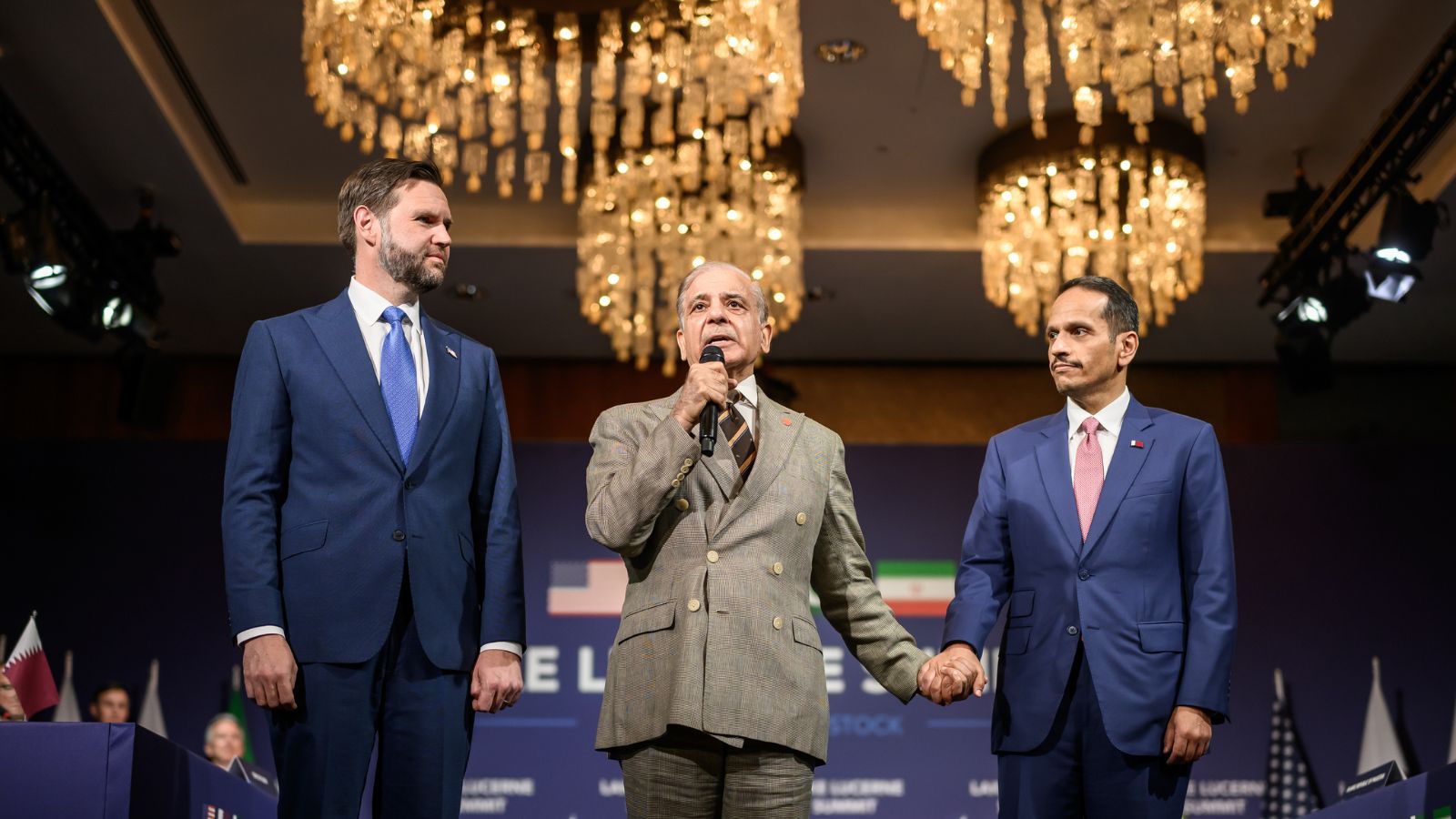
The first round of direct talks between the United States and Iran in Switzerland concluded on Monday. The mediators Qatar and Pakistan hailed the negotiations as “encouraging progress” despite the talks being rattled by public threats from President Donald Trump and a temporary walkout by Iranian negotiators.
In a joint statement issued from Lucerne, Qatar and Pakistan said the talks at Burgenstock had been conducted in a “positive and constructive atmosphere” and that a mechanism had been created for further technical talks.

Joint Statement by the State of Qatar and the Islamic Republic of Pakistan Regarding The Conclusion of Lake Lucerne Summit, First High-Level Committee Meeting with Participation of the United States of America and the Islamic Republic of Iran
Lucerne | June 22, 2026
The first… pic.twitter.com/bLVpaR2uua
— Ministry of Foreign Affairs – Qatar (@MofaQatar_EN) June 22, 2026
What was agreed
The most concrete outcome of the first session was the establishment of a High-Level Committee to provide political oversight of the negotiations. Under the agreed framework, chief negotiators from both sides would report regularly to this committee and lead dedicated working groups on three core issues: nuclear commitments, sanctions relief, and a monitoring and dispute-resolution mechanism to oversee implementation of the memorandum of understanding both sides signed last week.
The committee has also agreed upon a roadmap aimed at reaching a final deal within the 60-day window set by the memorandum. Technical talks are expected to continue for the remainder of this week at Burgenstock.
🔊PR No: 1️⃣5️⃣1️⃣/2️⃣0️⃣2️⃣6️⃣
Joint Statement by the State of Qatar and the Islamic Republic of Pakistan Regarding the Conclusion of Lake Lucerne Summit, First High-Level Committee Meeting with Participation of the United States of America and the Islamic Republic of Iran pic.twitter.com/2G3PAf7LVY
— Ministry of Foreign Affairs – Pakistan (@ForeignOfficePk) June 22, 2026
The Lebanon de-confliction cell
Perhaps the most significant new development was the agreement to create a dedicated “de-confliction cell” involving Lebanon, facilitated by Qatar and Pakistan. The cell is intended to ensure adherence to the ceasefire in Lebanon, a provision explicitly required under the first article of the memorandum, as fighting between Israeli forces and Hezbollah has continued despite the agreement.
Story continues below this ad
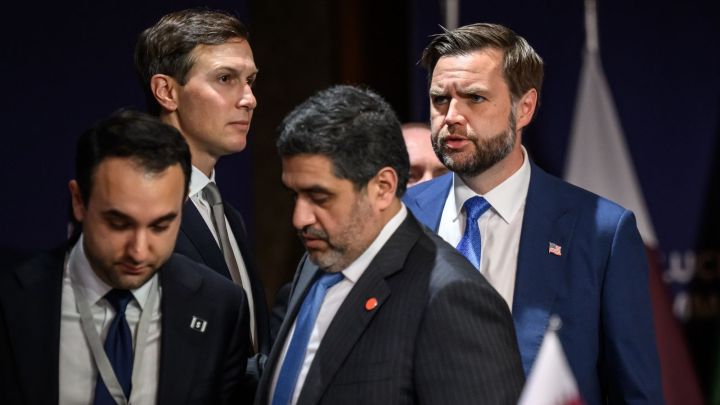
Iran’s Foreign Minister Abbas Araghchi, responding to the joint statement, said oil and petrochemical exports had been waived, the naval blockade lifted, some frozen Iranian assets released, and a major reconstruction and development plan for Iran launched.
However, he struck a cautious note, saying the first real test of the agreement would be the Lebanon de-confliction cell, a signal that Tehran views the Lebanon file, not the nuclear one, as the immediate litmus test of American good faith.
What nearly derailed the talks
The session was thrown into turmoil after Trump posted a series of threats on social media and in a Fox News interview, including threatening to strike Iran again and using aggressive language directed at Iran’s negotiating team over the Strait of Hormuz closure.
— Rapid Response 47 (@RapidResponse47) June 21, 2026
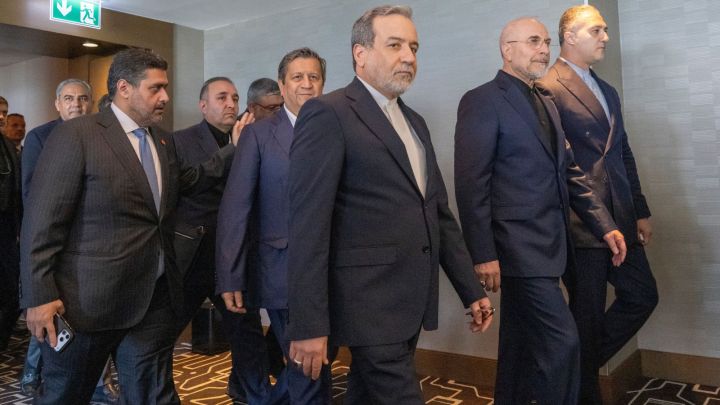
Iranian negotiators briefly walked out, lodging a formal protest with mediators over what they called threats to their personal safety. The walkout did not appear to permanently disrupt the process, with Qatar and Pakistan stepping in to keep communication channels open.
Vice President JD Vance, leading the US delegation alongside Jared Kushner and special envoy Steve Witkoff, adopted a markedly different tone from Trump, saying the president had asked negotiators to “turn over a new leaf” with Tehran.