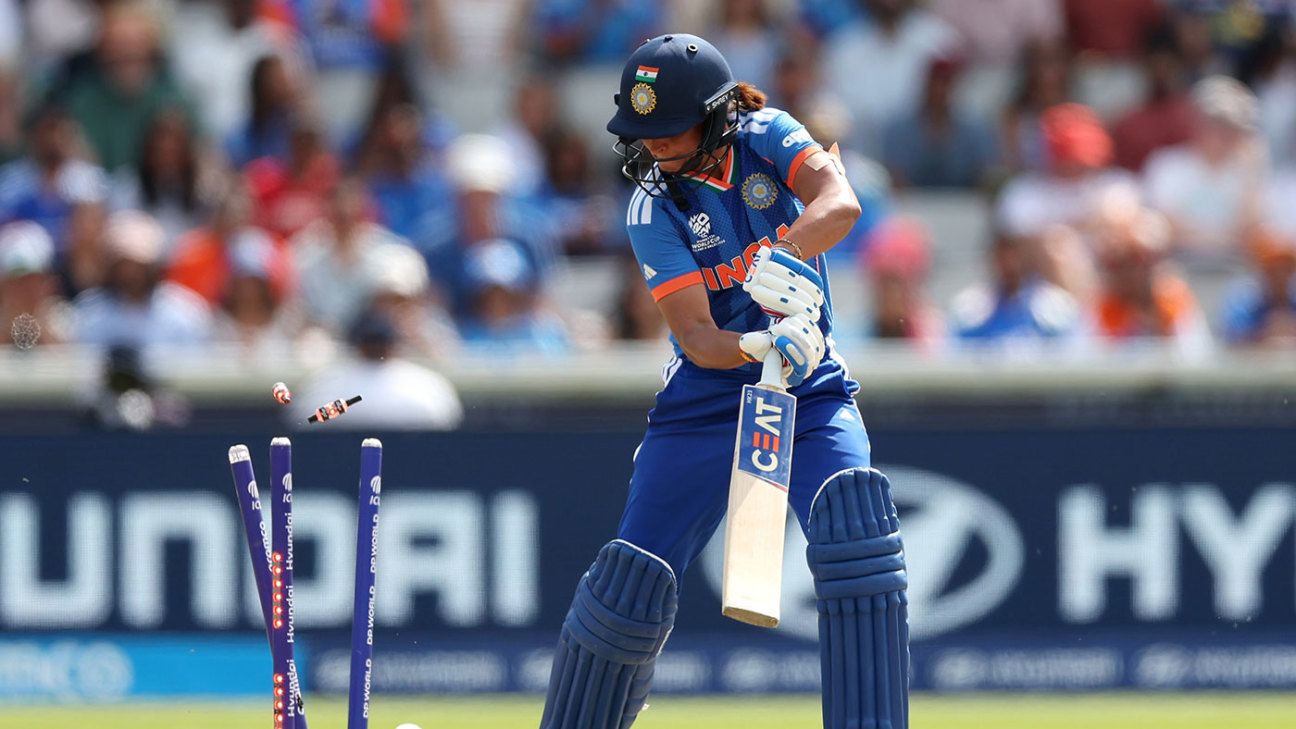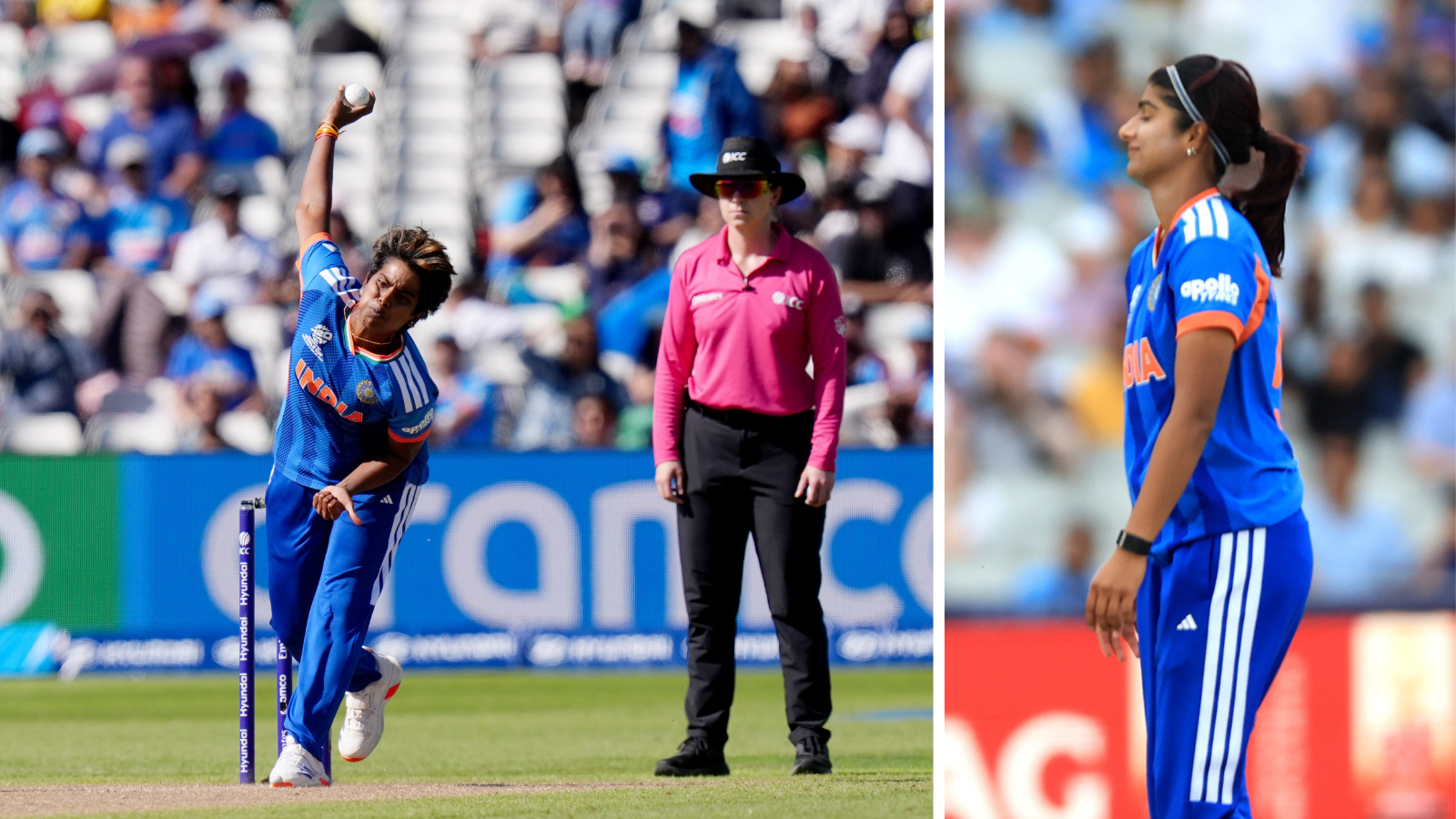
Three matches into the Women’s T20 World Cup, India are walking a tightrope. With two wins in three outings, the semi-final dream still glimmers on the horizon, but the stumble against South Africa has cast fresh shadows on their path.
The Harmanpreet Kaur-led side would not have wanted to find themselves in this position. Yet, with two group matches remaining, they need wins in both to stay in contention for a final four berth.
While the batting has relied on individual contributions at different stages, India’s bowling attack has developed a clear pattern. As the tournament enters its decisive phase, one aspect of that attack stands out more than any other.
There was little doubt when the squad for the tournament was announced that India’s spinners would have to carry a lot of the load if they were to go deep at the World Cup. The pacers would then have to play the ideal support cast.
There has only been a faint glimmer of that support seen so far. 21 of the 24 wickets taken by India have been by the spinners. That is a whopping 87.5% of scalps taken by one part of the attack.
ALSO READ | Women’s T20 WC: Harmanpreet Kaur steadies ship, but must find way to steam on
Nandni Sharma, playing her first major global event, is the only pacer who has wickets to her name, having taken 2/22 against the Netherlands. The only other dismissal came via a run out. India’s reluctance to use pace has been such that in the matches against Pakistan and South Africa, a total of 8.1 overs were bowled by the pacers.
Story continues below this ad
The contrast with other leading sides is striking. Australia have enjoyed a balanced split between pace and spin, with their spinners accounting for 14 wickets and seamers 13. Left-arm spinner Sophie Molineux leads their wicket charts with six scalps, while Kim Garth (5), Ellyse Perry (4) and Annabel Sutherland (4) have complemented the slow bowlers.
England’s attack has been led by spin too, with the tweakers taking 15 wickets compared to 10 for the seamers. Sophie Ecclestone tops their tally with seven wickets, while Charlie Dean and Linsey Smith have helped take the tally to 15. Freya Kemp (5), Danielle Gibson (3) and Lauren Bell (2) have provided useful support.
South Africa’s seamers have accounted for 17 of their 20 wickets in the tournament, with Marizanne Kapp leading the way with six. Shabnim Ismail and Ayabonga Khaka have chipped in with four wickets each.
Against India, Kapp and Ismail’s strikes highlighted the impact a quality pace attack can have in major tournaments.
Story continues below this ad
Pace uncertainty
The lack of a settled pace combination in any of the matches hasn’t helped either. Arundhati Reddy and Kranti Gaud played against Pakistan. Nandni replaced Arundhati against the Netherlands before the latter came back in for Kranti against South Africa.
Arundhati’s returns also underline why India need more from their senior seamer. Since the start of 2025, she has taken 20 wickets in 21 T20Is but gone at more than eight runs an over. In a young attack, her experience remains valuable, but India need greater control and a more serious wicket-taking threat with the new ball.
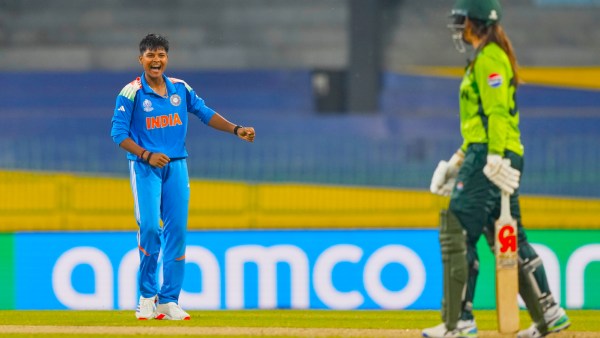 FILE IMAGE: India’s Kranti Gaud in action. (AP)
The continued absence of Renuka Singh Thakur has also raised questions. Thursday’s match against Bangladesh at Old Trafford could offer India a chance to test a different pace combination before Sunday’s potentially decisive clash against Australia at Lord’s.
India’s bowling template in this tournament is unlike many other top sides. After the loss to South Africa, head coach Amol Muzumdar alluded to the inexperience in the bowling attack, asking for more time for them to improve.
Story continues below this ad
“Look, having said all those things, you have to take into consideration that the entire bowling attack, apart from Deepti, is a very (inexperienced)- give them some time in international cricket. Somebody like Charani, very new to international cricket. Prema Rawat playing her first game. Even when Shreyanka was there, Shreyanka has been very new to international cricket. Kranti Gaud, and so is Nandni Sharma. Apart from Deepti, we do have a lot of inexperience in the bowling lineup. But give them some time, give them 24 months, and I’m sure they’ll come up – I think you’ll reverse your question after 24 months,” he said.
India won the ODI World Cup in November last year with a similar group of bowlers. Amanjot Kaur was part of that side, but is not here. Yet, in home conditions, a strong spin attack was ideally suited to the conditions.
India’s spinners have carried the attack admirably, but World Cups are rarely won by one discipline alone. With two must-win matches ahead, India need their pacers to provide the support that could make the difference between a semi-final place and an early exit.