

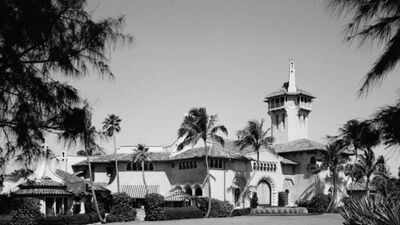
Mar-a-Lago has been at the centre of headlines in recent years because it’s US President Donald Trump’s Florida residence. But the Palm Beach property had already lived several lives before Trump became associated with it.The mansion was built in the 1920s by Marjorie Merriweather Post, an heiress and philanthropist who was among the wealthiest women of her time. According to NPR, long before government documents and political events brought it global attention, Mar-a-Lago was known for lavish parties, royal guests, charity events and a social life centred around Post.The name itself reflects the unusual location of the property. Mar-a-Lago means Sea to Lake in Spanish. The estate sits between the Atlantic Ocean and Lake Worth in Palm Beach, Florida. Post built it as a private home, but it soon became much more than that.Its history began with Post’s enormous wealth. She was the heiress to the Postum Cereal Company, which later became the General Foods Corporation. After her father died, Post took control of the company at the age of 27 and became one of the richest women in the world.
A mansion built for grand parties
Mar-a-Lago was completed in 1927 after about four years of construction. Post spent about $7 million on the property, a figure that would be worth more than $100 million today.The estate covered about 20 acres, while the main house measured more than 37,000 square feet. It had 58 bedrooms and 33 bathrooms. The interiors included 36,000 historic Spanish tiles, imported Italian stone, thousands of feet of marble, gold-plated fixtures and gold leafing.The scale of the mansion reflected the wealth and consumerism of the 1920s. Even by Palm Beach standards, it was considered unusually grand. Freelance journalist and Purdue PhD student Michael Luongo, who studied the Post Family Papers at the University of Michigan and wrote about Mar-a-Lago’s history for Smithsonian Magazine, described it as grandiose.Post was known for hosting large gatherings, and her first Florida home had become too small for the parties she wanted to organise. Mar-a-Lago gave her the space to entertain guests on a much larger scale.
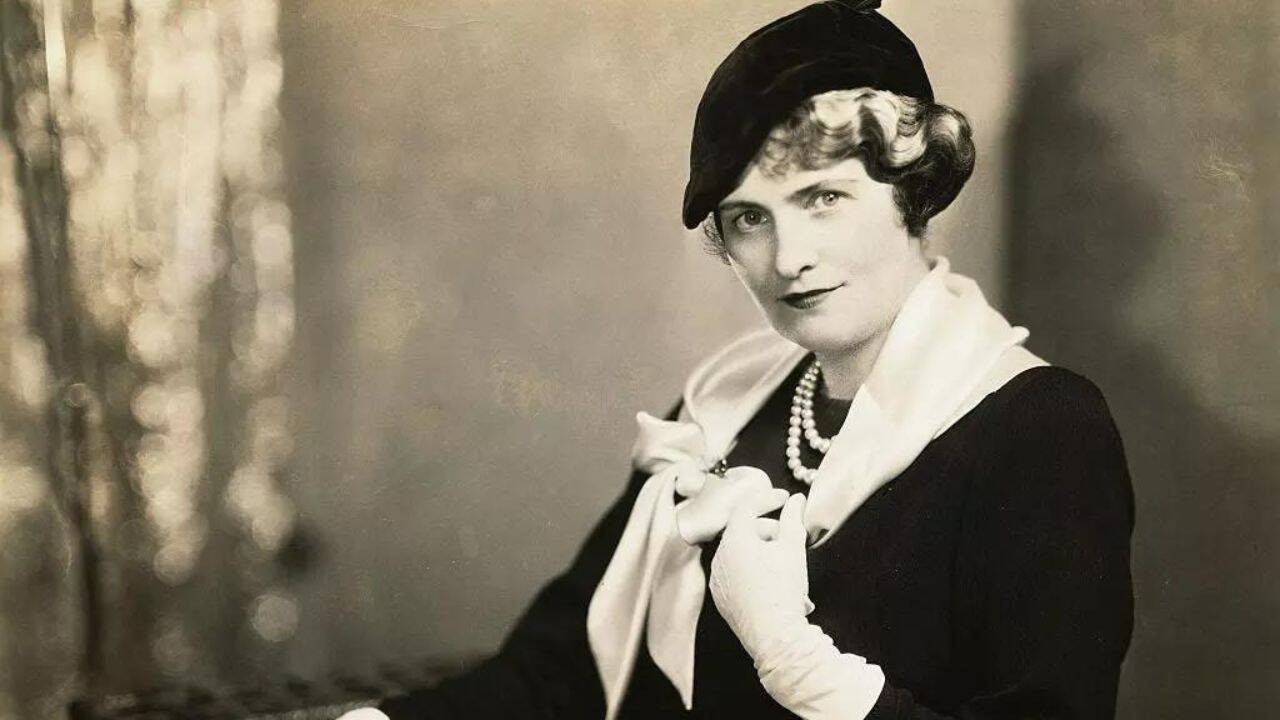
Post was the richest woman in the US when she built Mar a Lago.
“Florida in the 1920s and the 1930s served the same role that it does now. It was a place where people vacationed,” Luongo told NPR. “But we are not talking about your ordinary middle class family going to Disney. We are talking about the very elite who would come down to Palm Beach, who would come down to parties that she would host.”Post’s guest list included royals and diplomats. She also organised elaborate parties and charity events, including the International Red Cross Ball. Some of these events were open to people from the surrounding Palm Beach community.Post also wanted her property and social events to have a wider purpose. Luongo said she was particularly interested in allowing underprivileged people to attend some events.“She also was very keen on ensuring that the underprivileged were invited to events so that they could experience, for example, musical concerts,” Luongo said. “Post was a woman of means, very wealthy, very keen, very understanding of the importance of her role in society.”That combination of wealth, entertainment and charity became an important part of Mar-a-Lago’s early identity. The property later gained official historic recognition. In 1969, the Department of the Interior made Mar-a-Lago a national historic site. It was later added to the National Register of Historic Places.
Post wanted it to be a ‘Winter White House ‘
When Post died in 1973, she left Mar-a-Lago to the federal government. Her wish was for the mansion to become a retreat for US presidents and diplomats. She wanted it to serve as a ‘Winter White House’.However, the government decided that maintaining such a large property would be too expensive. In fact, Mar-a-Lago became an example of a ‘white elephant’, a property that is so large and costly to maintain that it becomes a burden.Luongo noted that Mar-a-Lago was not unique in facing this problem. Many large homes owned by wealthy families were eventually sold or demolished as tastes changed and families could no longer afford to maintain them.Mar-a-Lago, however, survived. Its next major chapter began when it was put up for sale by the Marjorie Merriweather Post Foundation.
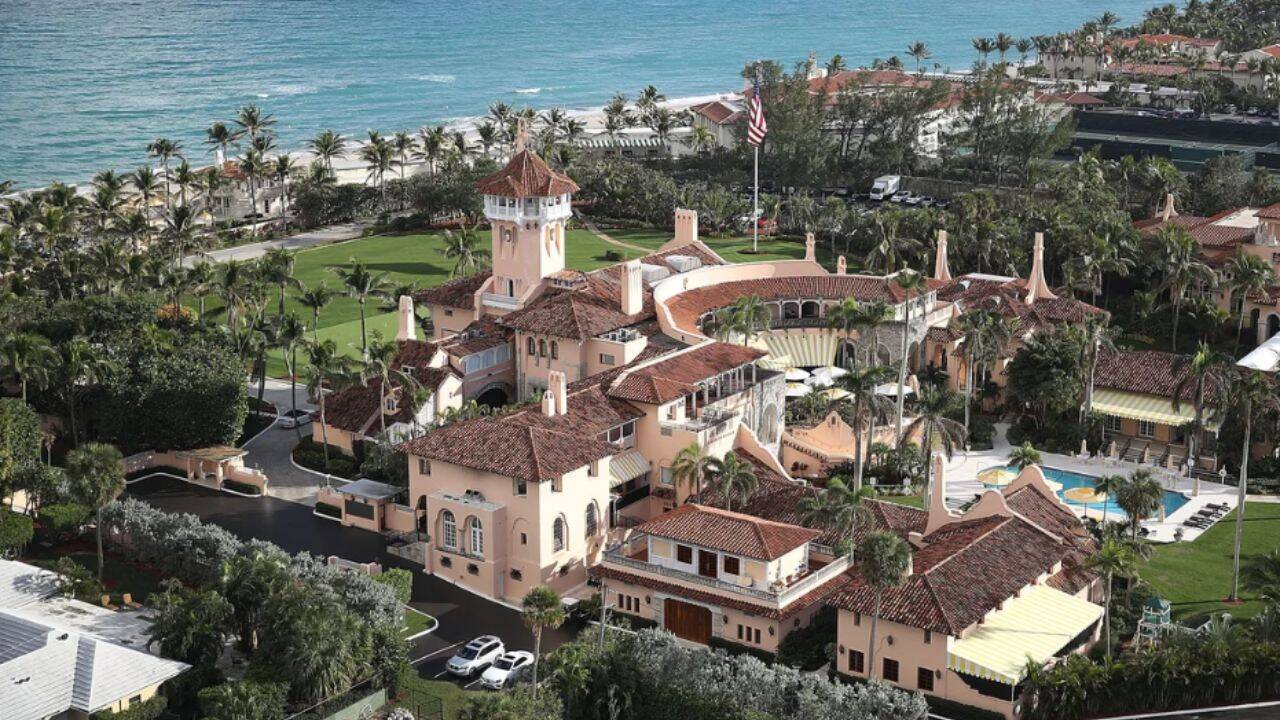
In December 1985, Trump bought Mar-a-Lago from the foundation for $5 million. (Getty images)
Trump buys Mar-a-Lago
Several attempts to sell the property fell through before businessman and real estate developer Donald J Trump entered the picture. In December 1985, Trump bought Mar-a-Lago from the foundation for $5 million. He also spent millions more buying antiques from the property.Luongo described it as a remarkably low price for such a property. “He did get a beautiful property at a very, very low amount of money,” Luongo said.“Without Donald Trump, would that house have been preserved or not? So that’s another thing to think about,” Luongo said. “But, you know, it’s a beautiful piece of history and was always a piece of history.”In 1995, Trump converted the private residence into a private club called The Mar-a-Lago Club. The initial membership fee was $200,000. The property then entered another phase of its history, becoming closely linked to Trump’s public and political life.
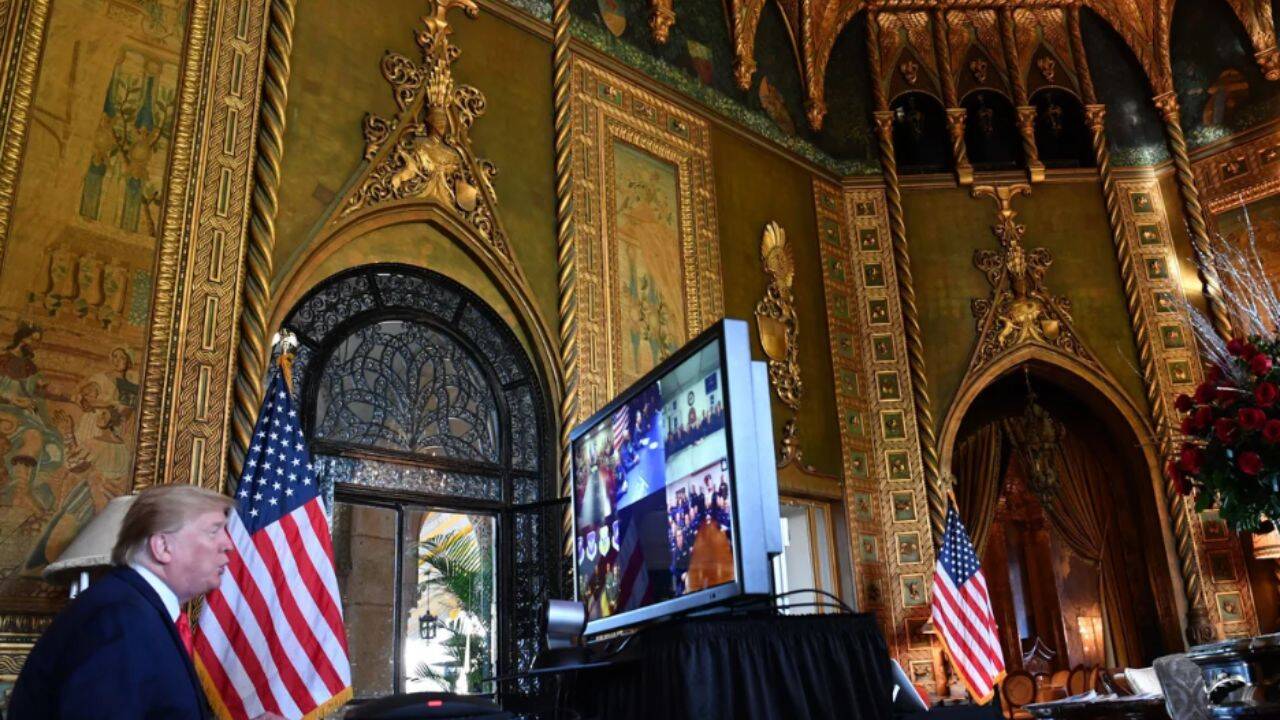
Trump working in Mar a Logo in 2019 (AFP photo)
Trump’s ‘Winter White House’
In 2017, Trump began referring to Mar-a-Lago as his own Winter White House. The mansion’s elaborate interiors became a backdrop for White House events and press conferences. During his presidency, Trump hosted foreign leaders at the estate. Among them were Japan’s former Prime Minister Shinzo Abe and China’s President Xi Jinping.After his first presidency, Trump moved to Mar-a-Lago full time. The property then became the focus of another major chapter when the FBI searched it as part of an investigation involving government documents.Luongo said it was difficult to know how Post would view the property today. “I can’t be in her mind, but I think in many ways she would be intrigued,” he said. “I think that as somebody who used her position to promote the United States, to promote notions of equity, to promote notions of diplomacy. I think in that sense, she would probably be appalled.”