4 min readUpdated: Feb 24, 2026 03:29 PM IST
The government has decided to go ahead with a single dose regimen, instead of two doses, according to sources. This is in line with the recommendations of WHO Strategic Advisory Group of Experts on immunisation.
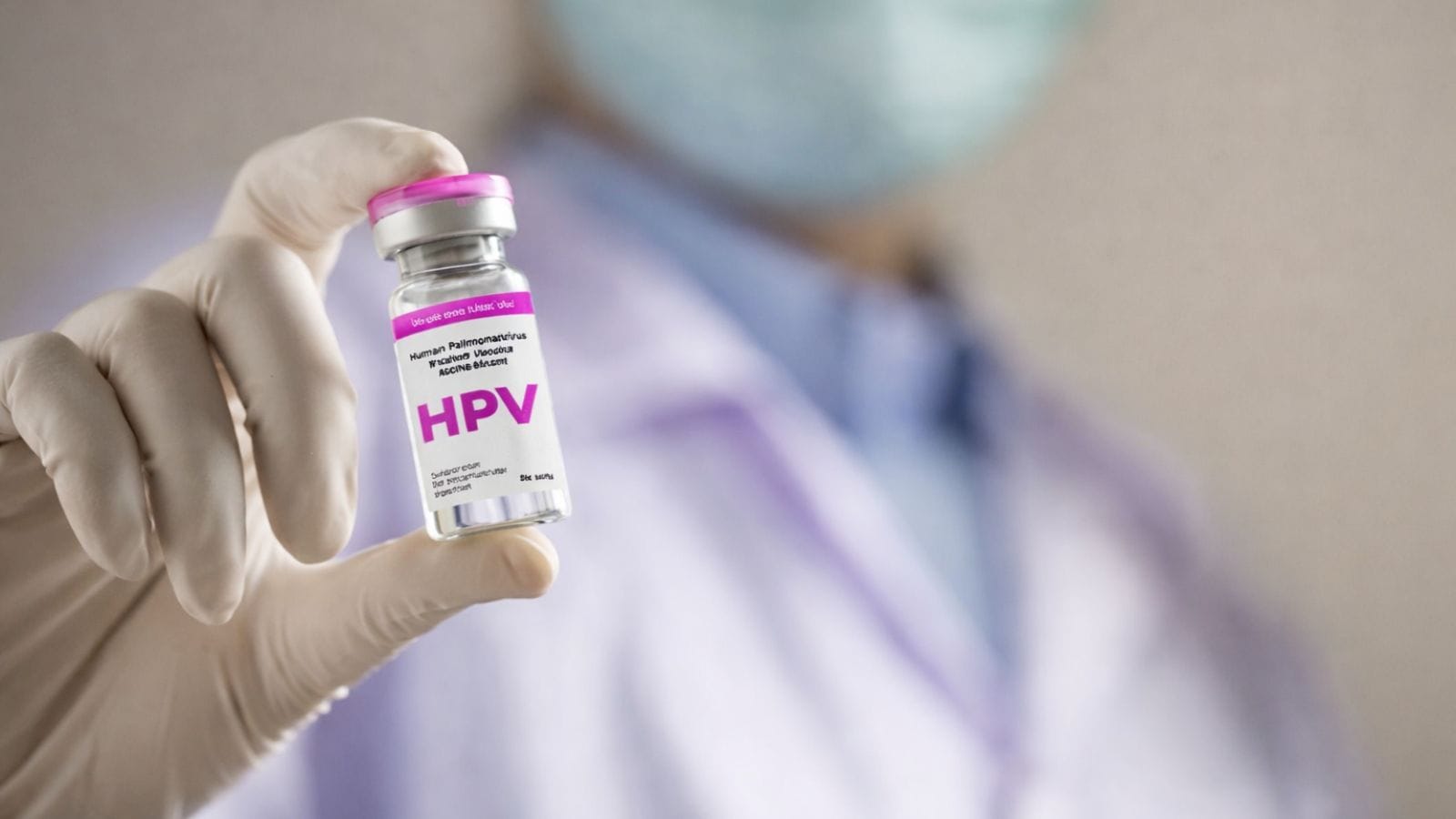
India will soon roll out a nation-wide vaccination campaign for young girls against human papillomavirus (HPV), according to sources in the know of the matter. Persistent HPV infection is known to cause nearly 85% of all cervical cancers. This is an important considering cervical cancer is the second most common type of cancer among women, affecting nearly 1.25 lakh and killing 75,000 each year.

The vaccine will likely be given to girls between the ages of 9 to 14 years initially as a one-time catch-up, following which it will likely be added to the routine immunisation calendar for girls aged 9 years. The Indian Express had previously reported that the vaccination campaign will be carried out in three cohorts.
“A third of the children between the ages of 9 to 14 years will be immunised each year over three years. During these three years, the new cohort of children who turn nine in states where the catch-up has happened will also receive the vaccine,” an official had previously told the Indian Express. The official explained that nearly 8 crore children between the ages of 9 and 14 years will be eligible for the vaccine across the country. When divided over three years, there will be at least 2.6 crore children eligible during the first year.
In addition to these 2.6 crore children, another 50 lakh to a crore children who will turn nine in the places where the campaign has already taken place will need the vaccine doses during the second and the third year.
The vaccination drive will be conducted through schools and existing vaccination points of the government, according to the official.
While the vaccines were initially approved as they effectively prevented HPV infections, in 2020 and 2021 studies from Sweden and England also demonstrated that vaccination in teenage years could reduce the risk of cervical cancer by over 85% at age 30.
Story continues below this ad
While the currently available vaccines are approved for use in a two-dose regimen, recent studies have shown that one dose can also be equally effective in preventing HPV infection and cervical cancer.
Experts had earlier proposed a delayed second dose — to be given three or five years after the first shot — giving time to the company to generate evidence. “If the data finds the one-dose regimen to be effective, then the second dose can be forgone,” the source said. This extended interval between the two doses was recommended by WHO Strategic Advisory Group of Experts to tide over shortages in doses when a country is introducing HPV vaccination campaign. This recommendation was based on findings from the UK and Quebec, Canada — both of which had introduced similar extended interval HPV vaccination. The experience of the two countries showed the antibody levels in both groups — those who received the second dose after six months and those who received it after 3-5 years — was similar.
The union finance minister Nirmala Sitharaman during her 2024 interim budget speech had said that the government will encourage HPV vaccination.


© The Indian Express Pvt Ltd