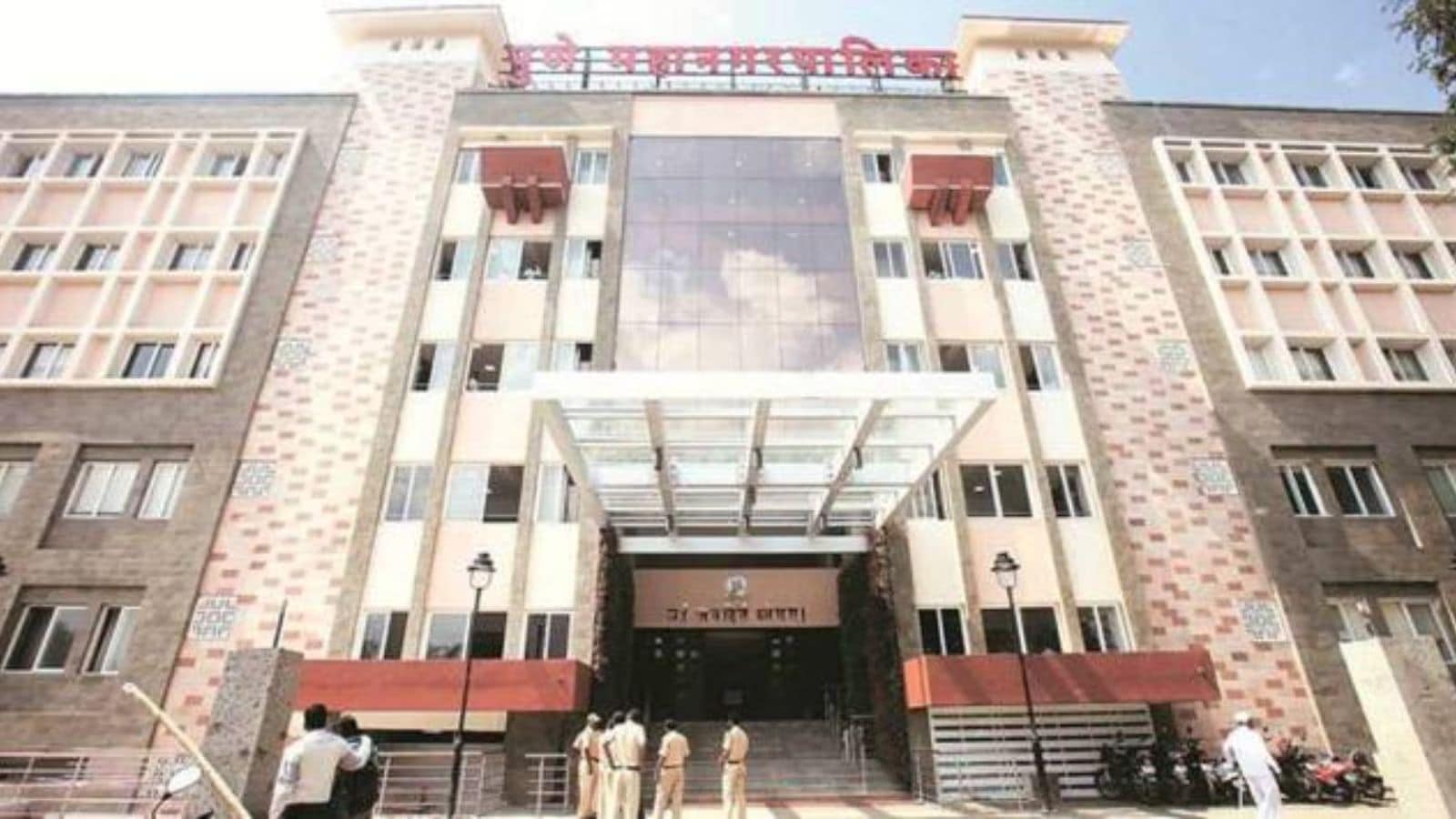
Residents and environmental activists have raised objections to the proposed felling of 689 trees for a stretch of the Pune Municipal Corporation’s (PMC) Riverfront Development (RFD) project between Wakad Bypass and Sangvi Bridge. The civic body issued a public notice regarding the proposed tree cutting on March 2, inviting objections from citizens. The objection period ended on Friday.
The trees fall under RFD stretches 1, 2 and 3 within the PMC jurisdiction. While the civic body has maintained that the proposal is part of the infrastructure required for the riverfront development project, several residents have argued that the scale of tree felling could harm the river’s ecosystem and biodiversity.

Concerns over biodiversity and river ecology
Chaitanya Ket, a resident of Kothrud, said the stated objective of riverfront development projects is to make rivers accessible to citizens by transforming neglected riverbanks into public spaces. However, he argued that such development can be carried out without large-scale tree cutting or extensive concretisation.
“The aim of riverfront development is to bring people closer to rivers and create usable public spaces along the banks. But this can be done without felling trees and building concrete embankments,” Ket said.
He added that excessive concretisation along the riverbanks could damage the delicate ecosystem of the riparian zone. “Concrete embankments have the potential to disrupt biodiversity by destroying natural habitats of flora and fauna. Projects like these risk prioritising aesthetics over the health of the river system,” he said.
Ket also said that altering the natural riverbank through construction could increase the risk of flooding. “If the riverbed is narrowed due to construction along the banks, it may affect the natural flow of water and potentially increase flood risks,” he added.
Why remove old trees?
Prajakta Mahajan, another resident opposing the tree felling proposal, said many of the trees marked for removal are decades old, with some believed to be more than a century old.
Story continues below this ad
“At a time when temperatures are rising rapidly, cutting hundreds of mature trees will only worsen the situation. These trees provide shade, improve air quality and support biodiversity,” Mahajan said.
She also questioned the civic body’s plan to transplant trees as a mitigation measure. “Authorities say that new trees will be planted or existing trees will be transplanted. However, the track record of tree transplantation in India is poor. In many projects, even 40 per cent of transplanted trees do not survive,” she said.
Mahajan said the riverbank stretch also supports birdlife and other species. “During our visits to the area, we have spotted birds such as peacocks, paradise flycatchers and kingfishers. Cutting these trees will disturb an ecosystem that has existed for decades,” she added.
Concerns over scale of tree loss
Pune-based architect Meghna Bhandari said the proposed development involves building a reinforced concrete toe wall along the riverbank, which requires significant space.
Story continues below this ad
“A toe wall is a retaining structure built at the base of a riverbank slope. In this case, it is proposed to be constructed using reinforced concrete and may go around seven to eight metres deep because of the black cotton soil in the area,” Bhandari said.
She said such construction would require clearing a considerable width along the riverbank, which is why many trees have been marked for felling. “The total riverfront stretch between Wakad and Sangvi is around nine kilometres. If 689 trees are proposed to be cut for roughly two kilometres, the total number could cross 5,000 trees along the entire stretch,” she added.
Bhandari suggested that the riverbank could be developed using more nature-friendly methods. “Instead of building new concrete structures, the existing terrain can be used by cleaning the area, creating natural walking trails and adding seating in open spaces. Development can be carried out in an eco-sensitive way without cutting trees,” she said.
“We are not opposing the riverfront development project, but it should be done in a sustainable manner without disturbing the existing ecosystem,” she added.
Story continues below this ad
Call for protecting riparian zones
Environmental activists have also argued that riverbank ecosystems should be formally recognised as riparian forests. They say that currently, tree-cutting notices treat these trees as isolated roadside trees.
If riparian zones are officially classified as forests, stricter rules governing deforestation and environmental clearance would apply. Activists believe this would make it harder to remove large numbers of trees and would strengthen efforts to protect river ecosystems.
Shailaja Deshpande of the Jeevitnadi Foundation said river rejuvenation efforts should focus first on addressing pollution. “The priority should be to make rivers pollution-free by stopping untreated sewage and effluents from entering them. Every river and stream must be rejuvenated from its source to its confluence,” she said.
She added that riverfront projects should be implemented while respecting ecological systems. “If such projects are carried out without studying eco-sensitive areas, they risk disturbing the existing ecosystem. Citizens and experts should also be consulted more actively while making decisions about riverfront development and tree felling,” Deshpande said.
Story continues below this ad
Vijay Naykal, tree officer of the Aundh-Baner ward office, PMC, said the civic body would review the objections submitted by citizens before taking a final decision on the proposal. “As the objection period ends, discussions will be held to address the concerns raised by residents,” he said.
Naykal added that the proposal is being processed under provisions of the Tree Act and is part of the larger riverfront development project. “Before taking a final call, we are collecting data about each tree, including its species, age, height and girth. We will also assess whether transplantation is possible,” he said.
“Trees will be felled only if transplantation is not feasible and if removal becomes unavoidable for the project,” Naykal added.