5 min readMar 15, 2026 07:20 AM IST
First published on: Mar 15, 2026 at 07:20 AM IST
Last month, an X user posted two radiant selfies with a simple caption: “First in the bloodline to travel without husband.” She could not have anticipated what would follow. Within hours, her post had opened a floodgate. Thousands of women began adding their own sentences to the archive. First to graduate. First to move abroad. First to buy property. First to divorce. First to come out as lesbian. First to remain unmarried and childless. First to slap a man who molested me. First to leave home. The timelines began to read less like social media and more like intergenerational history rewritten and a revealing feminist archive made in real time.
There is something both triumphant and devastating about being the first woman in your bloodline to choose differently. Bloodlines are not merely records of ancestry; they are inheritances of permission and prohibition, of what was endured and what was denied. I posted too: “First in my bloodline to graduate, earn a Master’s, and pursue a PhD. Also, the first to amass over 50 bylines by age 27, when enforced silence and domesticity were the norm.” Writing it felt less like self-congratulation and more like acknowledgment. To be the first is not simply to achieve, it is to absorb, grieve and resist the weight of what came before, of everything that was once denied, of all the generational harm and coercion, all at the same time.

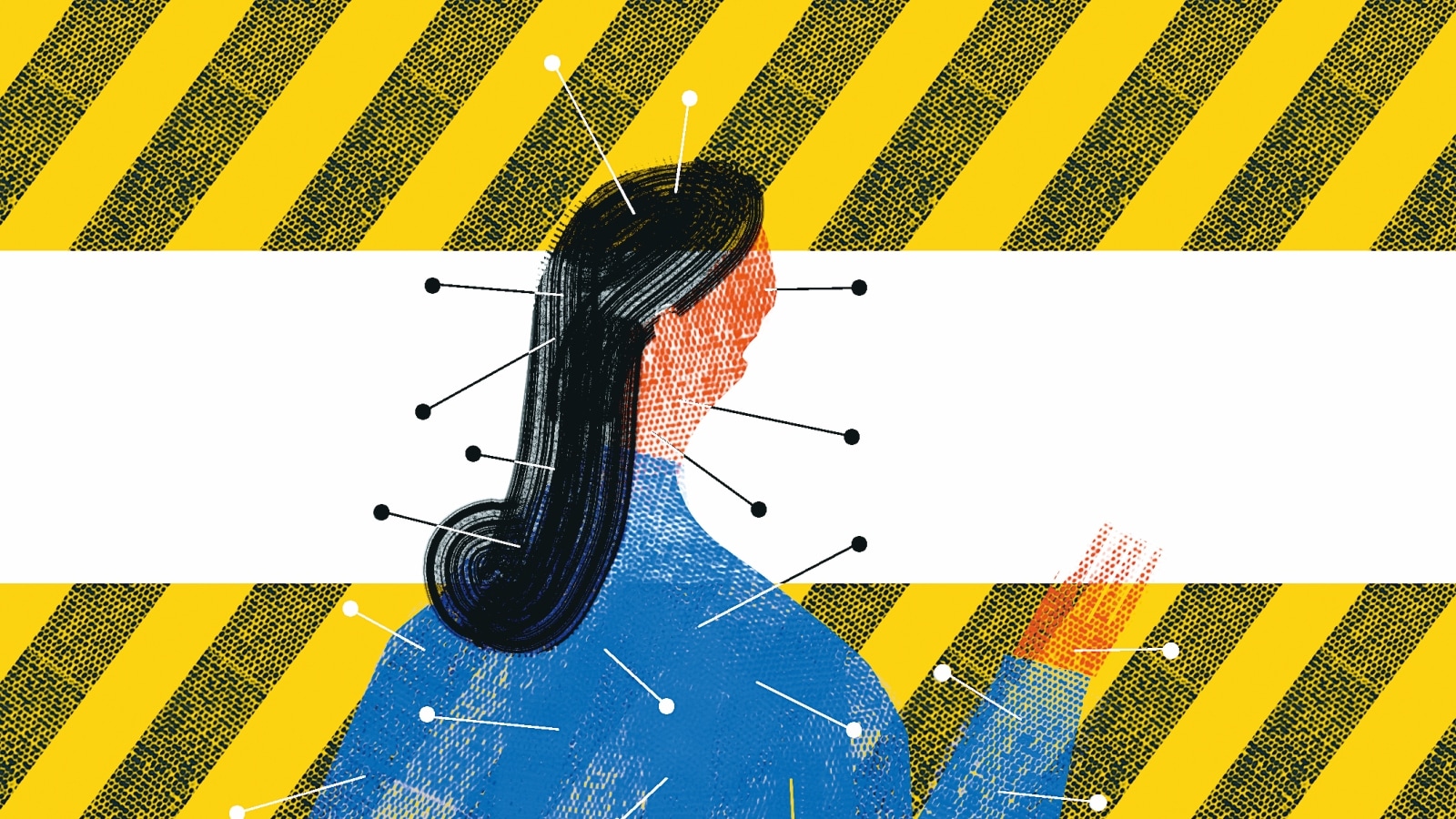
For many women, the first battle is rarely in the public sphere. It is at home. The very space that ought to offer safety becomes the first site of coercion and silent violence. Education is questioned. Mobility is policed. Ambition is framed as having a bad character. Marriage is invoked as destiny. All of this happen wrapped in the language of protection which masks its architecture of control. To choose differently, then, is not an abstract or individual act of empowerment but a collective rupture.
This is why the “first in the bloodline” trend resonates so deeply. It exposes how unevenly distributed autonomy remains, even in a country that congratulates itself on progress. Nobel laureate economist Abhijit Banerjee recently identified what he called a “troubling paradox” in the Indian economy: rising levels of female education alongside stagnant or declining female labour force participation. The paradox is only puzzling if we assume that education automatically translates into freedom. It does not. Degrees do not dissolve domestic expectations rooted in Brahminical Patriarchy. Classrooms do not dismantle marriage markets. Skill does not guarantee mobility when care work, surveillance and social stigma continue to tether women to the home. The women declaring themselves “first” are, in many ways, living inside that paradox — educated, capable, yet compelled to fight painful battles for the right to step outside.
Globally, the home continues to be one of the most dangerous places for women. According to the United Nations Office on Drugs and Crime, the majority of female homicide victims worldwide are killed by intimate partners or family members. The statistics show what these “firsts” are pushing against. When a woman writes that she is the first to divorce, to leave, to remain childless, to travel alone, she is naming the risks embedded in conformity.
And yet, the tone of the trend has not been one of despair. It has been hopeful. Women are not only recounting pain; they are cheering for each other and for themselves, while grieving for what their mothers and grandmothers had to endure. But still, being first comes at a great personal cost.
If thousands of women are the first in their families to access education, autonomy, divorce, queerness or financial independence, then the work ahead is clear. We need more women to break cycles. But we also need systems, legal, economic, social, that ensure these firsts do not exact such personal tolls. We need safe homes, accessible childcare, working women hostels, gender sensitised police and policies, secure employment. Women are done being shock absorbers for national and household economies. Democracies worthy of the name must be measured not only in elections and courts, but in whether women can choose without fear. True progress will arrive when being the first for women no longer feels revolutionary. When choosing oneself is not an act of defiance, but an ordinary right.
Chauhan is a feminist writer and researcher based in New Delhi
National Editor Shalini Langer curates the fortnightly ‘She Said’ column