4 min readNew DelhiMar 16, 2026 11:00 PM IST
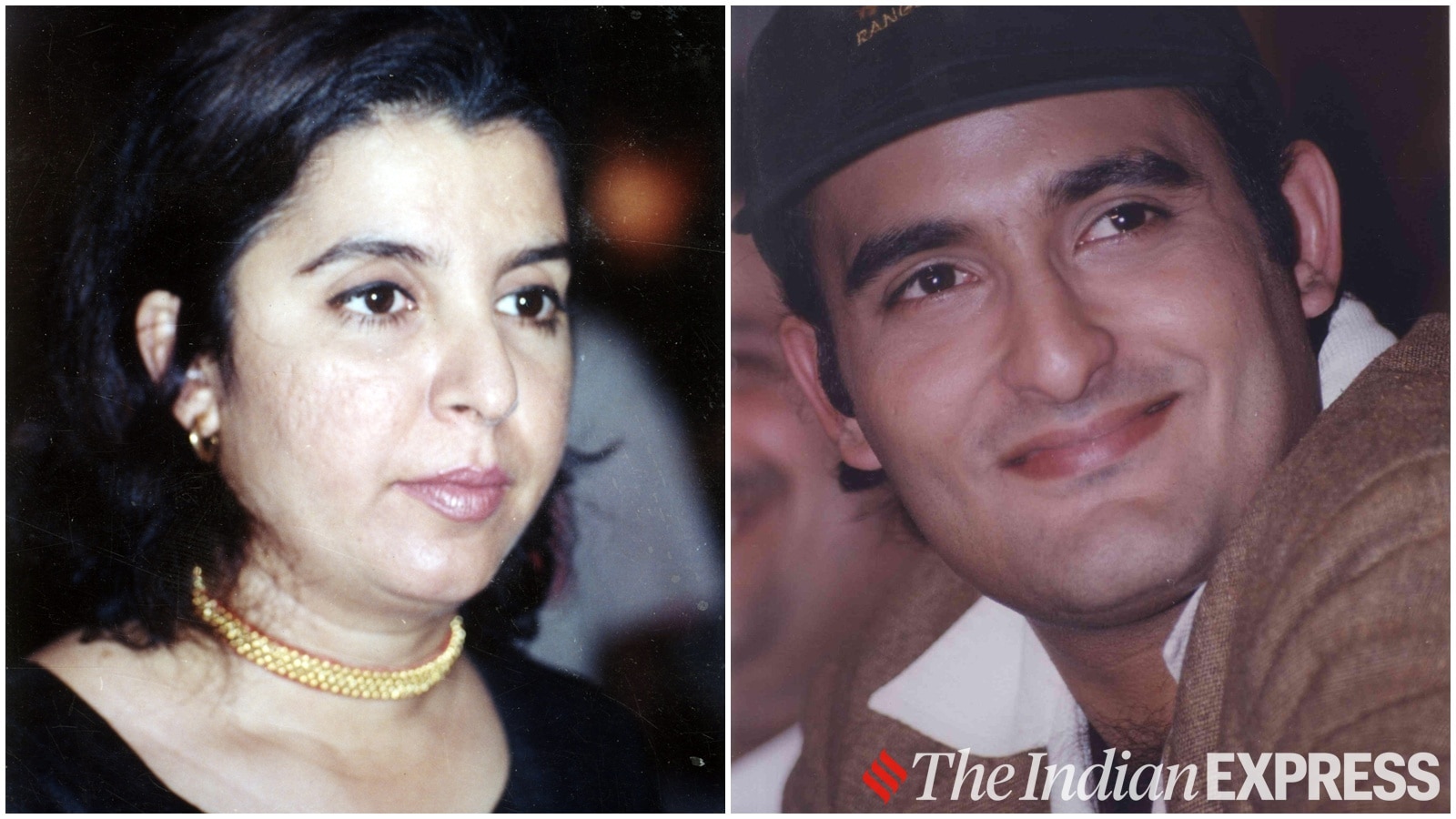
Working relationships often evolve, shaped not only by professional expectations but also by personal struggles that individuals may be dealing with privately. Filmmaker Farah Khan recently spoke about this dynamic while reflecting on her early collaborations with actor Akshaye Khanna in the 1990s, admitting that their professional interactions were not always easy.
Speaking on Ranveer Allahbadia’s podcast, Farah recalled that her early experiences working with him had been particularly challenging. “In the ’90s, I did a couple of movies with Akshaye, and after that, I was traumatised. Because he used to be a different person. Yes, introverted, but not a nice person on set. Whenever I heard that Akshaye Khanna was in a film, I used to say, ‘I don’t have the dates.’” She further explained that at the time, the actor himself had spoken about dealing with hair loss, which appeared to affect his mood and behaviour. “I think at that time he himself had said that he was losing his hair. He was constantly irritable. He used to throw things and say, ‘What kind of dialogue is this?’ He used to be that kind of person.”

However, Farah said she noticed a clear shift when they later worked together on Dil Chahta Hai, the directorial debut of her cousin Farhan Akhtar. “He had completely changed by then. He had reconciled with his hair. In Dil Chahta Hai, he became very chill. Before that, if there was water or rain in a scene, he would always wear a cap, like in every rain song of his, such as in Taal. But after Dil Chahta Hai, something changed. And he is a brilliant dancer, if you watch ‘Koi Kahe Kehta Rahe,’ he is dancing better than Aamir and Saif.”
Today, the two share a warm rapport. Farah even revealed that she called him after watching Dhurandhar to congratulate him and later visited him at his Alibag home. “I called him, and then I went to his Alibag house. What I like about him is that he is not about the fluff; he is about the work. He enjoys acting.”
But why do personal insecurities sometimes manifest as irritability, defensiveness, or conflict at work?
Psychologist Rasshi Gurnani tells indianexpress.com, “Personal insecurities often trigger what psychologists refer to as a threat to self-esteem. When someone becomes highly conscious of perceived flaws, such as hair loss or ageing, it can create internal stress and heightened self-monitoring. This psychological strain often manifests externally as irritability, defensiveness, or impatience with others.”
People may also engage in defence mechanisms such as projection or displacement, she says, where the discomfort they feel internally is redirected outward toward colleagues or collaborators. “As a result, behaviour that appears rude or difficult is sometimes less about the people around them and more about the person struggling with their own self-image and vulnerability.”
Acceptance of something we cannot control
Acceptance of uncontrollable physical changes is closely linked to self-acceptance and psychological adjustment. Gurnani notes, “When individuals stop resisting or feeling ashamed of something they cannot change, it reduces internal conflict and cognitive stress. This process often leads to improved mood stability, stronger self-confidence, and healthier interpersonal behaviour.”
Story continues below this ad
Repairing professional relationships that may have started off on a difficult note
As individuals grow personally and professionally, they develop greater self-awareness and communication skills, enabling them to reinterpret past conflicts with greater empathy.
“Repairing such relationships typically involves subtle processes like acknowledging past misunderstandings, showing consistent respect, and rebuilding trust through positive interactions. In psychology, this is associated with relational repair and interpersonal growth. When stress or insecurity that initially caused friction is resolved, individuals are often able to engage with each other more authentically. Over time, shared professional experiences and mutual respect can transform an initially strained dynamic into a cordial and collaborative relationship,” concludes Gurnani.