Chefs, restaurants as training grounds, and youngsters preparing to be chefs have been in focus—front and centre—in the last week, thanks to the onslaught of complaints levelled against celebrity chef René Redzepi, which led to his resignation from Noma, the truly pioneering restaurant that he built and headed for over two decades.
Redzepi was introduced to a whole new generation of people when he played himself in The Bear. In the show, Carmy—the protagonist and much-ravaged chef—is shown working in the gardens and kitchens of Redzepi’s Noma, whose hyperlocal fare won it three Michelin stars and earned Redzepi two James Beard awards.

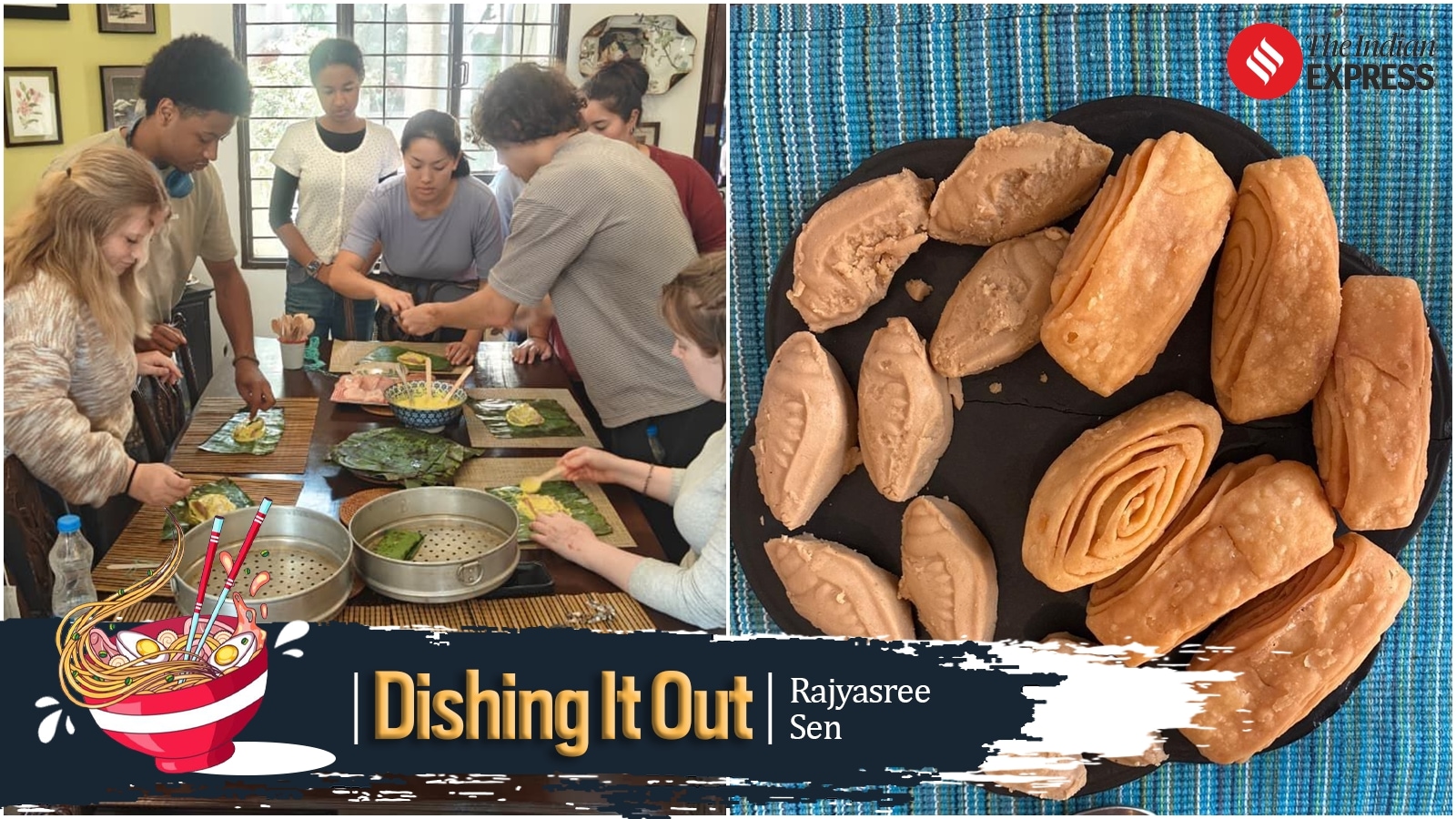
Chefs are creative, often tormented, because it’s so tough to make it big in the culinary world. The passage to the top is literally filled with blood and sweat, and often, ill-tempered moments. But I clearly have a soft spot for all things culinary and for those who create magic in the kitchen. Which is why I am always filled with great joy whenever students from the legendary Culinary Institute of America (CIA) visit India for their India Immersion tour and come to my home to learn about Bengali cuisine, culture, and a few dishes.
Last week, students and a couple of faculty members from CIA’s New York school stepped into a very different kind of classroom—one that introduced them to mustard oil, roasted spices, and slow-cooked comfort. What stays with me, always, is what I learn from the students and their enthusiasm and interest in learning about other cultures and cuisines. Without exception, each student who attended was American. Only one had been to India before because she belongs to a family from Andhra Pradesh.
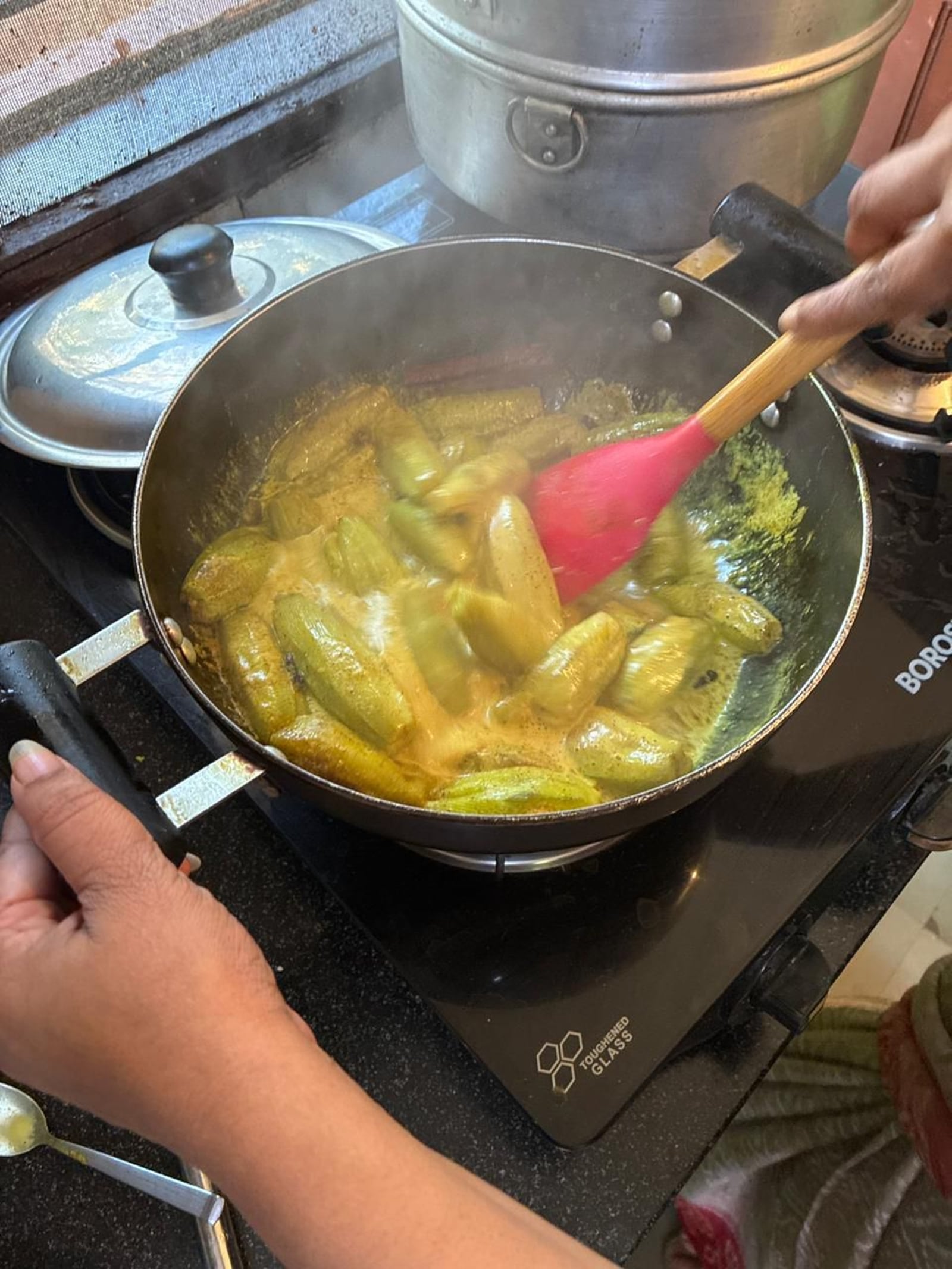 The students learnt to cook Doodh Potol (pointed gourd cooked in milk). (Photo: Rajyasree Sen)
My session with them began with an introduction to Bengal’s history of partition and the creation of East Bengali or Baangal cuisine, and West Bengali or Ghoti cuisine, along with the cultural and geographical influences that shape Bengali food—its spices, cooking mediums, and distinctive ingredients.
It’s always fun to see how non-Indians react to the smell of mustard oil or even ghee from cow’s milk, which we consider a great fragrance, but seemed to be a little overwhelming for some of them. From Bengali five spice (panch phoron) and poppyseed (posto) to mustard seeds (shorshe), celery seeds (radhuni), mustard oil, small grain Gobindobhog rice, and the fragrant gondhoraj lime, the students—all from the graduating class—definitely had their senses jolted.
It’s also interesting to see anyone, not just students, discover a new vegetable. In their case, it was Bengal’s favourite—potol or pointed gourd.
Story continues below this ad
Yes, we are a strange community, easily pleased. The students learnt to cook Doodh Potol (pointed gourd cooked in milk) and made Betki Paturi (steamed fish in banana leaves). And unlike Oprah Winfrey, they were game to use their fingers to eat, that too, course by course. We had everything from Aloo Posto (potato with poppyseed), Doodh Potol, Saag Begun (sauteed spinach and brinjal), Tauk Dal with green mango, Betki Paturi, tomato chutney, Kosha Maangsho (mutton curry), Shorshe Phulkopi (mustard cauliflower) and of course, a few beloved Bengali desserts.
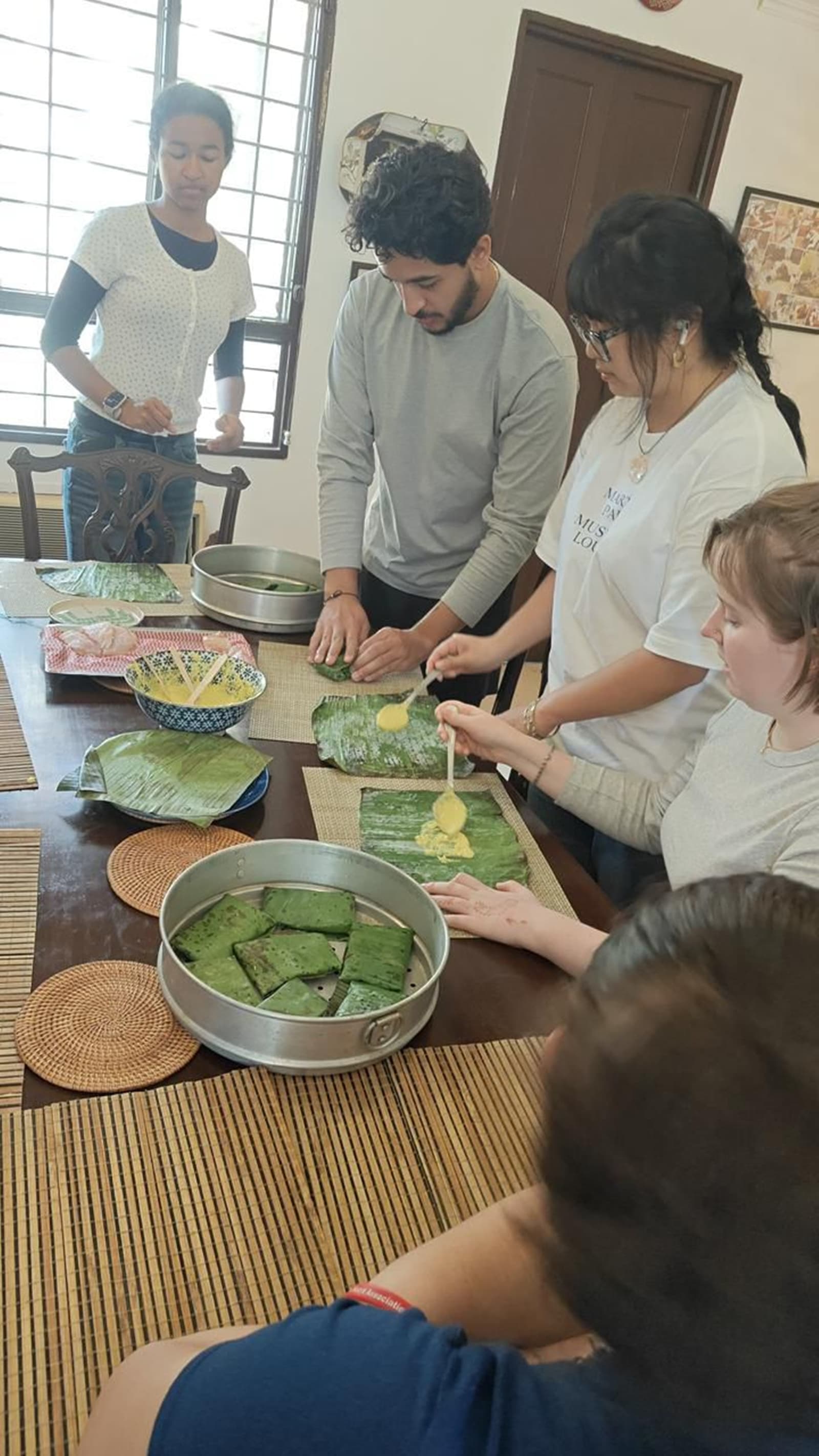 Students preparing Betki Paturi (steamed fish in banana leaves). (Photo: Rajyasree Sen)
What stood out to me was their keenness to try new ingredients, not to make a fuss about sampling produce completely foreign to them, and their bonhomie with each other—and with me. One was lactose intolerant, another had a prawn allergy, someone else did not really enjoy mustard—but no one complained. The food almost got over, and luchis were eaten as if they had grown up eating Luchi with Alu Posto.
In a world and a country where we have so little tolerance for each other’s diets, tastes, and cultures, it gives you hope to meet students and chefs who don’t wrinkle their noses at ingredients, spices, or cooking styles.
As CIA graduate Anthony Bourdain always said: when you travel, eat with the locals, try their food, talk to them, learn about their culture. That’s how you enrich yourself. And I think that’s what this session, which I do with the CIA students every year, thanks to Breakaway India, who organise these visits, always reinforces: that there are people willing to learn and appreciate other cultures and their foods.
The kids are really alright.
Story continues below this ad