New Delhi:
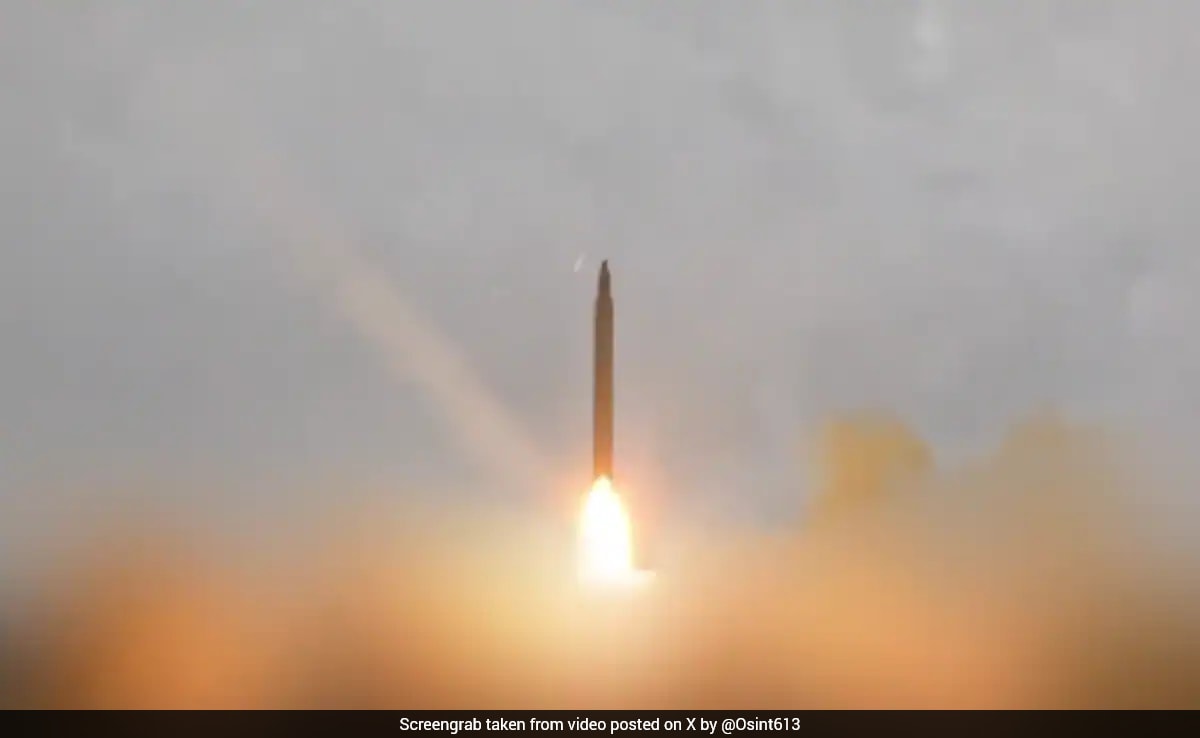
Iran’s reported launch of two intermediate-range ballistic missiles toward a US-UK base in Diego Garcia in the Indian Ocean marks an escalation that takes the focus to range, signalling and strategic geography.
Even though one missile failed and the other may have been intercepted, according to media reports, the attempt itself alters the risk map.
Diego Garcia lies roughly 4,000 km from Iran, and Tehran publicly maintains its ballistic missiles are capped at 2,000 km. But if Iran indeed tried a strike at double that publicly declared limit, it means Iran has undeclared capabilities that the world doesn’t know about.
Iran may have been testing systems closer to true IRBM, potentially reaching deeper into the Indian Ocean and even southern Europe. This also helps Tehran gain leverage by keeping its enemies unsure of its actual strike envelope. The doctrinal ambiguity complicates the US and the UK’s planning. Any perceived ballistic missile range extension will add pressure on Gulf states and Israel to reassess missile-defence layers.
ALSO READ | War Expands To New Theatre? Iran Fires Missiles At Indian Ocean US-UK Base
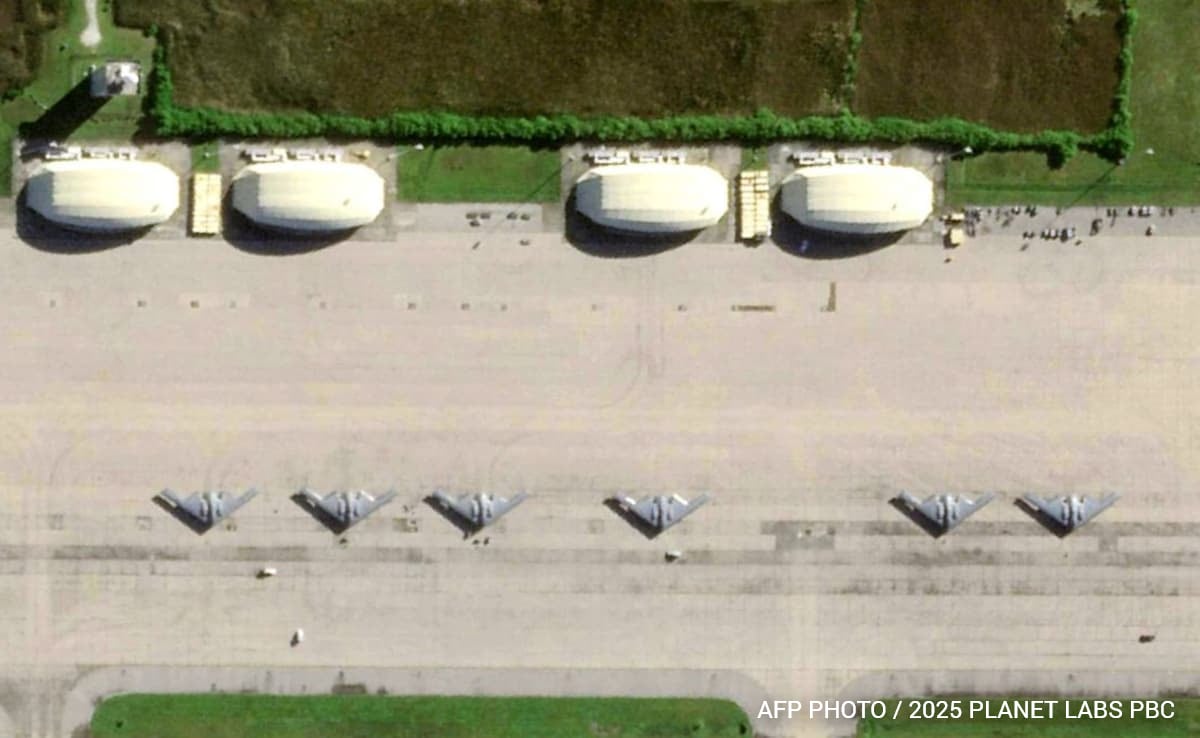
Diego Garcia is also not a small asset, but a high-value node for US global power projection that serves as a critical logistics and strike platform. It is home to US’ heavy bombers and surveillance aircraft.
Iran’s semi-official Mehr news agency said targeting the base was a “significant step… that shows that the range of Iran’s missiles is beyond what the enemy previously imagined”.
By attempting to hit Diego Garcia, Iran has shifted the conflict theatre from the Middle East to the Indian Ocean region and signalled that no US sanctuary is too distant. It may create hurdles for the US-UK as they need to divert missile-defence assets southwards.
The hit-or-miss technical outcome matters less than the political theatre of showing Diego Garcia is within attemptable range.
The US reportedly fired an SM-3 interceptor, though the outcome is unclear. Even if the SM-3 worked fine, Iran still won politically by forcing the US to use high-end interception resources. Failure would show that even older ballistic platforms can stress proven missile-defence architecture.