Even a constituency seen as a potential seat for the BJP’s former Tamil Nadu unit chief K Annamalai did not make the cut in the AIADMK-led NDA’s seat-sharing arrangement for the April Assembly elections.
In the final pact, AIADMK chief Edappadi K Palaniswami, popularly known as EPS, not only resisted key demands from the BJP and other allies, but also allocated some of the most challenging constituencies to them — underlining his control over the terms of the deal.

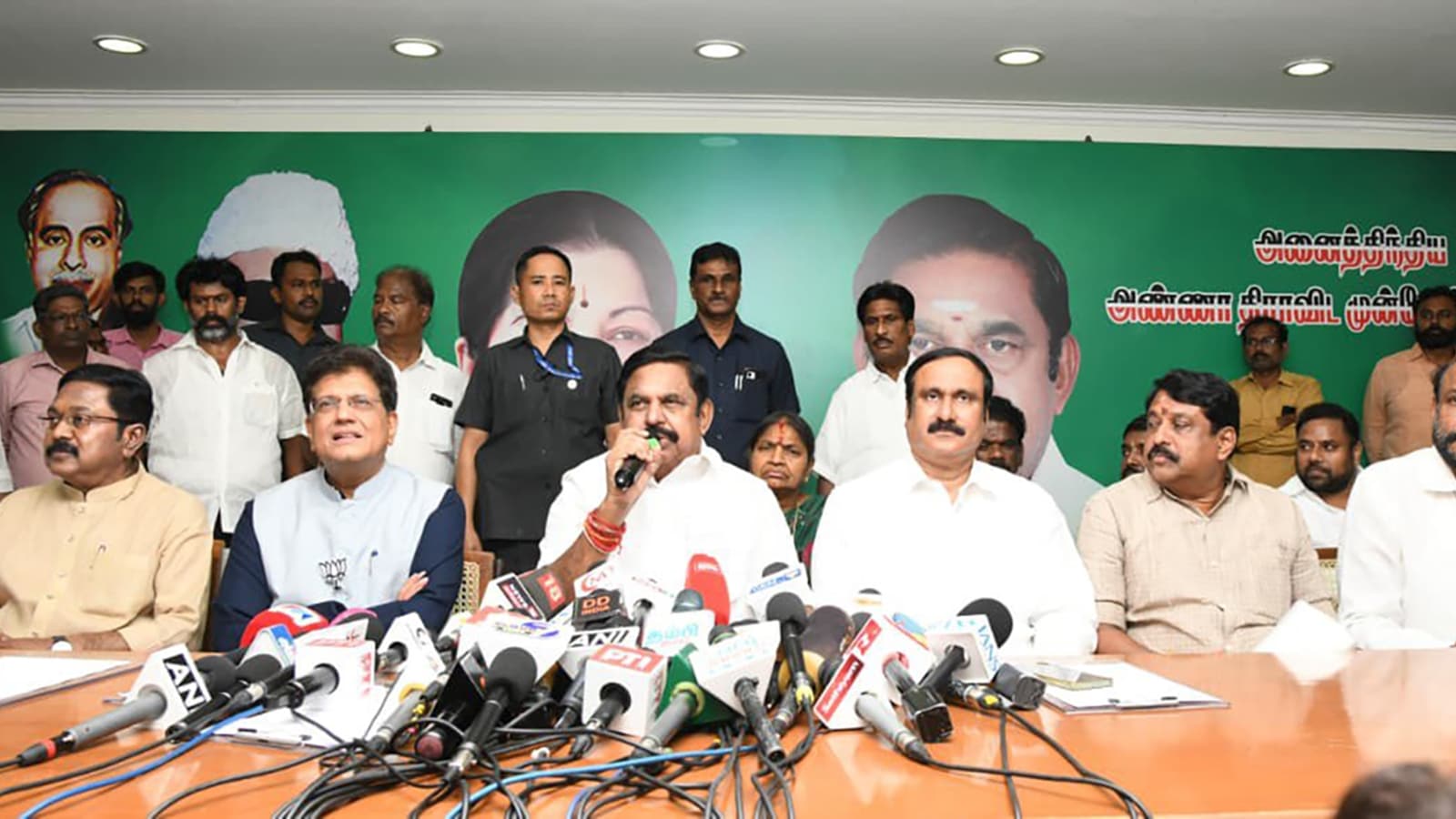
Finalised on March 24-25, the agreement gives the AIADMK 169 of the state’s 234 Assembly constituencies, with the remaining 65 seats allotted to its seven NDA allies. The BJP has been allotted 27 seats, the Pattali Makkal Katchi (PMK) 18, and the Amma Makkal Munnetra Kazhagam (AMMK) 11, with smaller parties such as the Tamil Maanila Congress (Moopanar), Indiya Jananayaka Katchi (IJK), Tamilaga Makkal Munnetra Kazhagam (TMMK) and Puratchi Bharatham sharing the rest.
But beyond the arithmetic, AIADMK insiders say, the allocation reveals a negotiation in which the party retained decisive leverage — even within an alliance widely perceived to have been stitched together under pressure from the BJP leadership.
Difficult terrains
Among the most striking features of the agreement was the denial of specific seats sought by the BJP. Requests for seats such as Singanallur in Coimbatore district — where Annamalai had shown strength in the 2024 Lok Sabha polls despite losing to the DMK candidate — as well as other Coimbatore seats such as Sulur and Kavundampalayam, were not accepted by the AIADMK. In Chennai, the BJP secured only one seat, Mylapore, despite seeking at least three. In Coimbatore, it was allotted Coimbatore North, falling short of expectations for at least two seats in the region.
For smaller allies, the challenge lay not in the number of seats but in their nature. The TMC (Moopanar), led by G K Vasan, has been allotted five constituencies — all of them currently held by rivals, including three by DMK ministers and another by the Congress. NDA insiders described the allocation as “electorally demanding”, suggesting that allies have been pushed to contest in difficult terrains rather than politically favourable pockets.
A similar pattern was seen across allocations, with allies receiving seats where the AIADMK’s own prospects were limited or where contests are expected to be tight.
When asked about the logic behind assigning the Perambur constituency — a seat that actor Vijay is reportedly considering — to an ally like the PMK, Palaniswami claimed that the NDA allies were being treated on equal terms. “All parties are the same in this alliance — there is no big or small. Seats have been shared equally,” he said, framing the distribution as one based on parity rather than hierarchy.
Controlled concession
The allotment of 27 seats to the BJP represents an increase in absolute terms compared to the previous Assembly election. Yet, according to AIADMK leaders, the BJP had sought a more advantageous spread, particularly in urban and western belts. The final deal, they say, reflected a compromise in which the BJP secured numbers but not necessarily the constituencies it preferred.
The PMK’s 18 seats, fewer than its earlier tally, has been linked by insiders to internal divisions within the party, with rival factions led by Anbumani Ramadoss and his father S Ramadoss affecting its perceived electoral strength.
At the margins, dissatisfaction has also surfaced among smaller allies, including one outfit who refused to accept the seat offered, and another ally, who had stood as an Independent and scored over AIADMK in the Lok Sabha polls, but was not given any seats.
EPS imprint
Taken together, the arrangement points to a broader political pattern. While the formation of the alliance may have been forced by Delhi, the seat-sharing bears the imprint of the state-level control.
For EPS, who has been attempting to rebuild the AIADMK after a series of electoral setbacks, retaining command over constituency allocation appears central to his strategy. The party has struggled in regions such as the Chennai-Kancheepuram-Tiruvallur belt and faced a huge setback in the Lok Sabha election in which it failed to win any seats.
At the same time, the AIADMK continues to hold strength in pockets like the western region, and its leadership’s approach suggests a focus on consolidating these areas while distributing electoral risks among allies.
A former AIADMK minister said the outcome is “a deal where the alliance was necessary, but the terms were not surrendered”. “There were even special requests from Delhi for a Coimbatore seat for a senior leader but it was difficult to offer them,” the former minister said. “The alliance may have been inevitable but the map was still drawn in Chennai.”