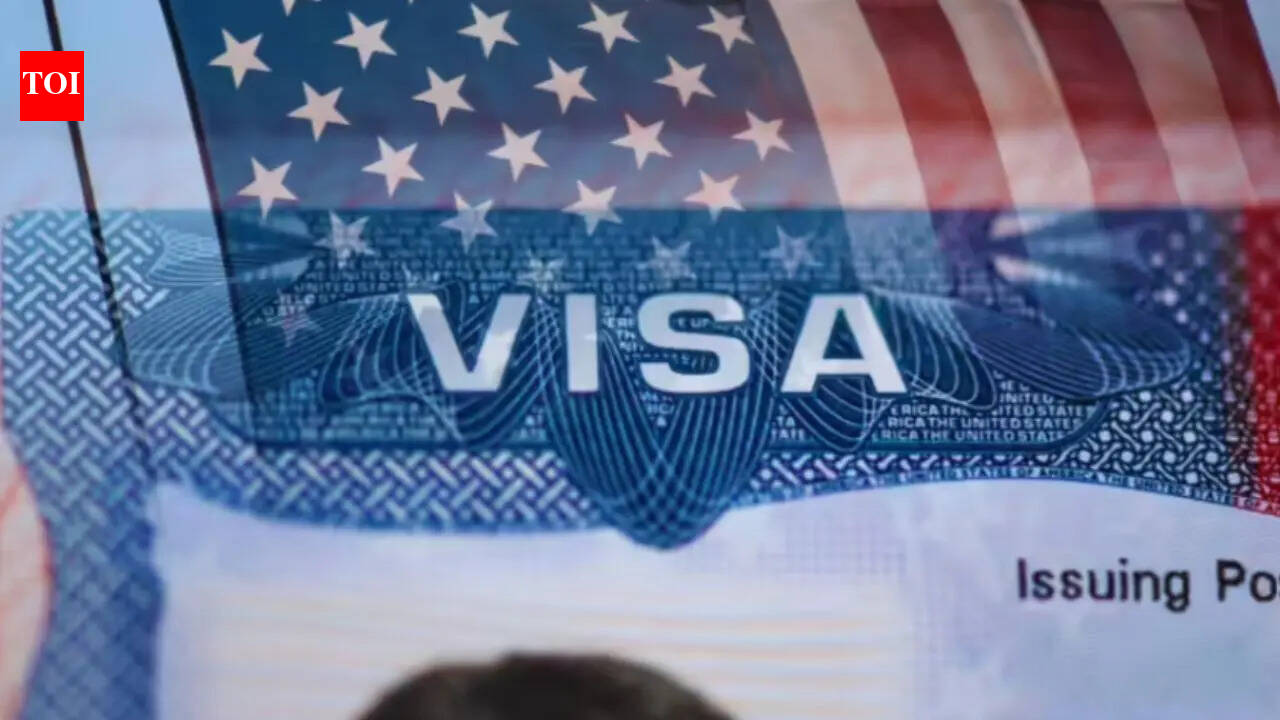
The United States has expanded its screening and vetting requirements of social media accounts to cover several additional non-immigrant visa categories, including H-3, K, Q, R, S, T and U visas, as part of tighter security checks during visa processing. The move is unlikely to affect large numbers of Indian applicants, but it signals broader scrutiny across almost all temporary visa types.According to a notification issued by the US State Department, the new rule extends online presence review, including social-media checks, to applicants in the H-3, K-1, K-2, K-3, Q, R-1, R-2, S, T and U visa classifications, along with certain dependents.These categories are in addition to H-1B, H-4, F, M and J visas, which were already subject to such checks earlier. In fact, social media vetting of H-1B and their dependents has led to immense backlogs at US consulates and several Indians in need of a visa stamp have found themselves stranded in India for months together.Applicants in the categories now covered will need to keep their social-media profiles accessible so that consular officers can review publicly available information during adjudication. The State Department has said the visa process involves “thorough vetting of all applicants” and that each visa decision is treated as a national-security matter.The newly added categories largely cover specialised or less-common visa types.
- H-3 – trainees or special-education exchange visitors
- K visas – fiancé(e), spouse or children of US citizens
- Q – cultural exchange participants
- R-1 / R-2 – religious workers and their families
- S – informants or witnesses assisting law enforcement
- T – victims of human trafficking
- U – victims of certain crimes
These are niche categories compared to the H-1B work visa or F-1 student visa, which account for the bulk of Indian travel to the US.Limited impact on Indian applicantsImmigration experts say the change is unlikely to affect large numbers of Indians because most Indians going to the US do so on H-1B, F-1, L-1, B-1/B-2 or family-based immigrant visas, not the newly added categories.However, Indians may still be affected in some cases, such as:
- fiance or marriage-based visas (K-1/K-3),
- priests or religious workers going to US temples (R-1),
- training or exchange programmes (H-3 or Q),
- or victims applying for protection visas (T or U).
The expanded vetting is part of a broader effort by US authorities to increase screening of foreign nationals seeking entry. Earlier measures had already required social-media review for student, exchange-visitor and H-1B visa applicants.US officials have said stricter checks are meant to ensure that applicants do not pose security risks and that they intend to comply with the terms of their visa.What applicants should expectThe new rule does not change eligibility criteria, but it could lead to:
- more background checks,
- additional questions during interviews,
- or longer processing times in some cases.
For Indian applicants, the immediate impact is expected to be small, but the move indicates that US visa vetting is gradually expanding to cover nearly all non-immigrant categories, not just students and skilled workers.