4 min readApr 27, 2026 08:41 PM IST
The pitches have been lying for weeks.

Not dramatically. No minefield, no uncovered strip left out in the rain, no surface a cricket board would have to answer for. Just honest pitches. A stump’s width of movement off the seam, nothing exaggerated, nothing a batsman of quality shouldn’t be able to negotiate. The kind of pitch that has existed in cricket forever — the kind that used to be called a good cricket pitch.
And on them, the big men have been falling cheaply. The same batsmen who were posting 250s on surfaces that offered seamers the same assistance as a tiled bathroom floor are now getting out for 12, for 8, for 4. The ball has moved a stump’s width and the technique has moved with it — outside off stump, hard hands, no answer.
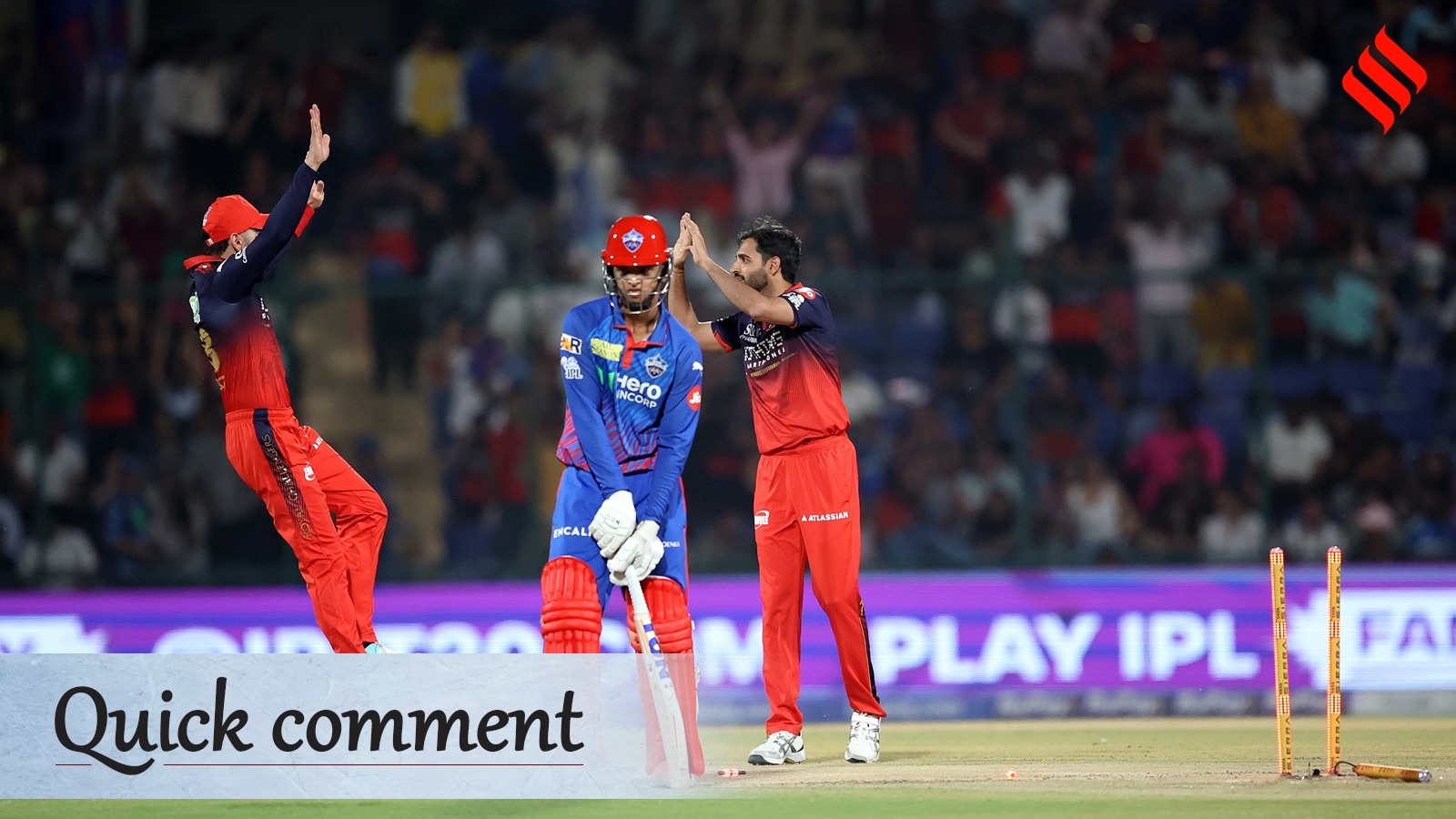
It was seen in tonight’s game when Delhi Capitals meekly surrendered to Josh Hazlewood and Bhuvneshwar Kumar. And it’s not first time either.
This is the conversation that sits just beneath the surface of every IPL season but rarely gets said plainly: the big scores aren’t always evidence of great batting. Sometimes they are evidence of great pitches.
Mark Taylor, the former Australia captain, said something on Channel 9 that cuts to it. “T20 cricket, it’s the same amount of players but it’s a different game. It almost shouldn’t be called cricket because it’s a different game. You are taking out the accountability of getting out, which was the essence of batting when I was a kid.”
The accountability of getting out. That phrase is worth sitting with.
Story continues below this ad
In Test cricket, a batsman dismissed cheaply carries that dismissal for five days, sometimes longer. The team carries it. The selectors remember it. The accountability is structural — built into the format itself. In T20, a batsman who holes out to long-on for 6 off 4 balls has failed, technically. But if three others around him scored 40 off 20, the total still reaches 220 and nobody asks hard questions.
The flat pitches extend this amnesty. When the ball skids onto the bat at a consistent height, when there is no lateral movement to test the outside edge, when pace bowlers are reduced to variations and slower balls because anything full and straight disappears into the stands — then batting becomes a different skill entirely. Reaction time. Power. Clean striking. High back lift. Fluent bat swing.All real skills. But not the full set.
The full set requires — demands — that a batsman be tested by movement. By the ball that comes back in. By the one that leaves late. By the length that is neither drive nor leave but something in between that must be decided in a fraction of a second with correct weight transfer and soft hands. These are the tests that separate the genuinely good from the pitch-assisted.
The IPL has produced some extraordinary batting this season. Centuries that will be replayed, partnerships that will be cited. But the same tournament, on the same grounds, on pitches with a stump’s width of movement, has produced collapses that tell a different story. Teams bowled out or reduced to nothing against bowling that is not exceptional — just honest. Just moving a little.
Story continues below this ad
The format isn’t going anywhere. The flat pitches aren’t going anywhere. The big scores will keep coming and the crowds will keep rising and the numbers will keep breaking records.
But the next time a batsman posts 150 off 60 balls, it is worth asking one question before the applause: what was the pitch doing? Because when it does something — even just a little — the answers have not been pretty.