5 min readVadodaraMay 12, 2026 08:33 PM IST
Born to Indian parents in Mozambique, brought to India after a devastating flood struck the country soon after her birth, educated in Gujarat, and married to an Indian citizen. Despite these factors, a 26-year-old woman has now found herself trapped in a citizenship impasse.
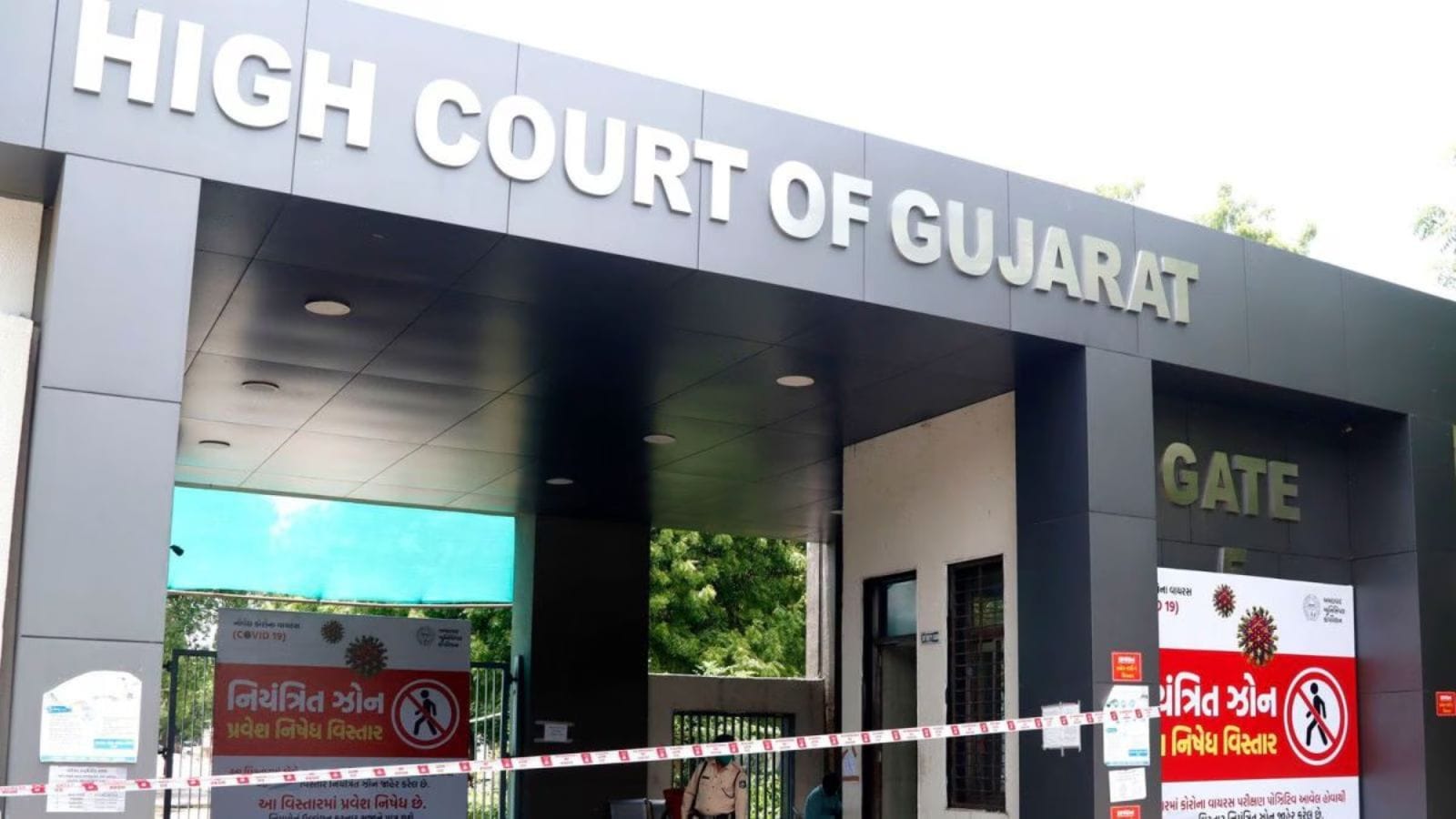
Even as the Mozambique authorities reportedly stated that she was not a citizen of the African nation, the Gujarat High Court held that she had “failed to prove her Indian citizenship” under Indian law and dismissed her plea for the issuance of an Indian passport.

In a ruling on April 30, the HC made observations on Indian citizenship by descent or naturalisation. Justice HM Prachchhak observed that the petitioner—Dolly Vadalia nee Dolly Barai—was “not an Indian citizen by birth or by descent as per (provisions of) the Citizenship Act, 1955”, and therefore her passport application could not be entertained. This was despite the fact that Vadalia holds several Indian identity documents, including Aadhaar, PAN, voter ID, and driving licence. The petition stated that Vadalia’s husband is an Indian passport holder, currently based in Canada with a valid work permit.
As per her petition, Vadalia—born in February 2000 in Xai-Xai in Mozambique to Indian citizen parents—was brought to India when she was barely 18–25 days old as her parents returned when Mozambique was struck by a severe flood that year. The petition states that she came to India on an “Emergency Certificate issued by the Government of Mozambique” and due to the emergency that prevailed in the African country at the time, her “birth could not be registered with the Indian Consulate in Mozambique within the prescribed period”. Thereafter, Vadalia lived in Rajkot, obtained a master’s degree from Saurashtra University there and married an Indian citizen in 2023.
The petitioner approached the high court after passport authorities repeatedly refused to process her application and demanded documents such as a proof of Indian citizenship, cancellation of the emergency certificate issued by the Mozambique government, and consular registration of birth.
Appearing for the petitioner, advocate SP Majmudar argued that she had never acquired Mozambican citizenship and had “never held Mozambican citizenship”. It was submitted that she possessed Aadhaar, PAN, voter ID and driving licence issued by Indian authorities and that denial of a passport violated her “fundamental right to hold a valid India passport” under Article 21 of the Constitution. The petitioner further contended that her birth had already been registered under the Registration of Births and Deaths Act pursuant to a court order and, therefore, registration before an Indian Consulate was not mandatory.
Opposing the plea, the Union government argued that the petitioner’s parents had “not followed the prescribed procedure for acquiring Indian citizenship by descent” at the time of her birth in Mozambique as well as their return to India. The Centre relied on Section 4(1)(b) of the Citizenship Act to contend that a child born abroad to Indian citizens can claim citizenship by descent only if the birth is registered at an Indian Consulate within the prescribed period or with the approval of the central government. The Ministry of Home Affairs reiterated that a “birth must be registered at an Indian Consulate to claim citizenship by descent”.
Story continues below this ad
The authorities also challenged the Rajkot birth certificate of the petitioner because it allegedly recorded an “incorrect place of birth”. The authorities also pointed out that two earlier passport applications filed by the petitioner had been closed for the same reason–the failure to establish Indian citizenship. Accepting the Centre’s stand, the HC held that the petitioner “does not qualify as an Indian citizen under the (Sections of) the Citizenship Act, 1955” because she failed to provide “proof of registration of her birth at an Indian Consulate within one year of birth or thereafter with the approval of the Central Government.”
The court considered the submissions of the Center and observed that the petitioner’s parents had failed to complete the statutory process required to secure citizenship by descent for the petitioner. Finding no ground to entertain the petition, the Court granted liberty to the petitioner to apply for citizenship afresh, observing that “it is open for the petitioner to make an online application/offline application for citizenship before the concerned authority” and directing that “the concerned authority shall decide the same in accordance with law”.

© The Indian Express Pvt Ltd