4 min readChandigarhMay 12, 2026 09:53 PM IST
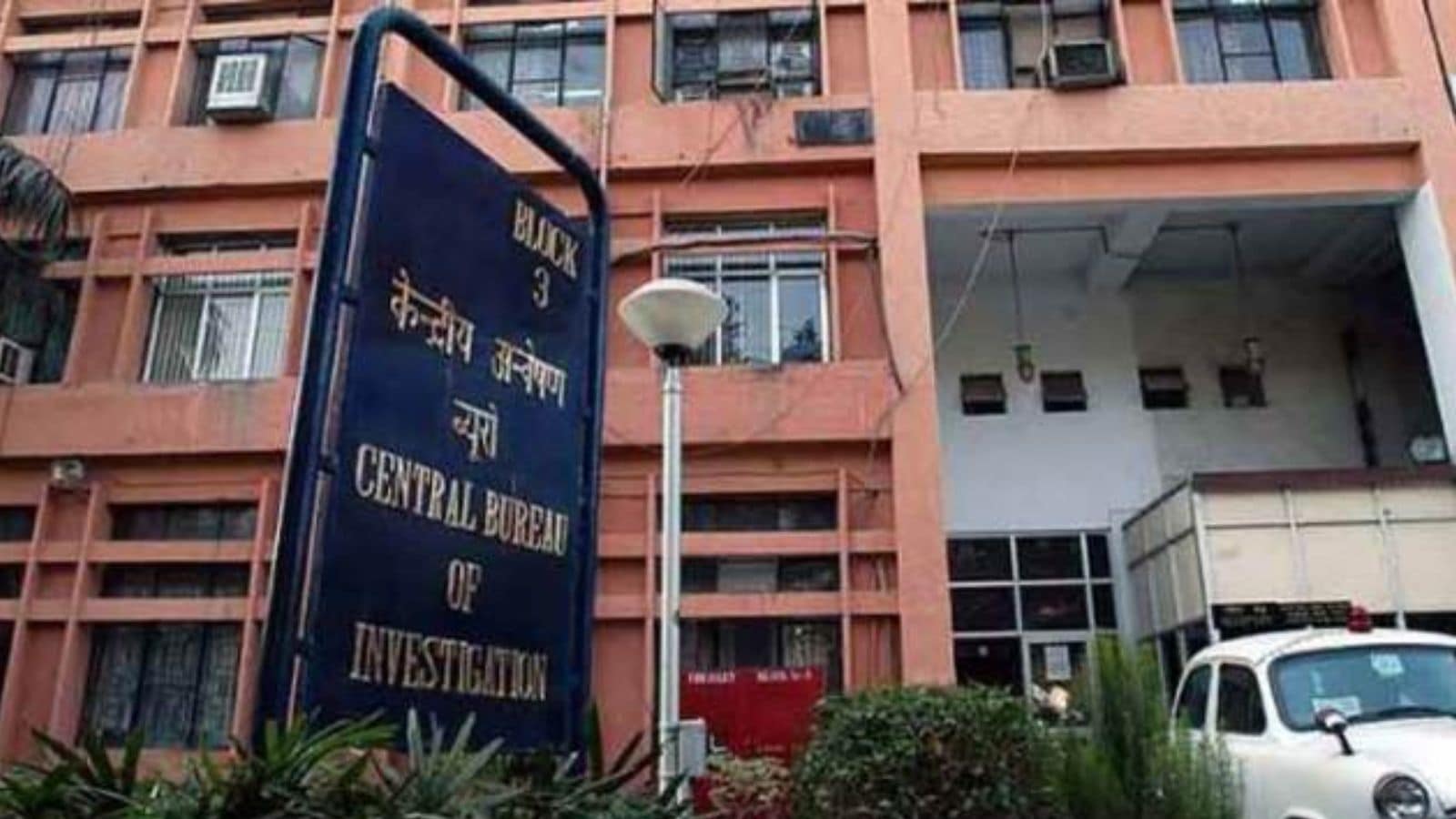
Central Bureau of Investigation, in a late-night raid at the Punjab Vigilance Bureau headquarters in Mohali, arrested two middlemen and another person in a Rs 13-lakh bribery case allegedly involving senior officers of the department. The CBI took the action after registering an FIR on a complaint of a Punjab State Tax Officer. The action comes more than five years the Punjab government withdrew general consent accorded to the CBI to probe cases in the state.
The Indian Express explains the nuances

What is general consent and why was it withdrawn?
Under Section 6 of the Delhi Special Police Establishment (DSPE) Act, 1946, the CBI requires a State government’s consent to exercise its powers and jurisdiction in that State for investigating offenses. ‘General consent’ is a blanket prior approval that allows CBI to register and probe cases, especially under the Prevention of Corruption Act, without seeking permission for every case or action.
The Congress government in Punjab, led by Capt Amarinder Singh, withdrew this general consent on November 6, 2020, following certain other non-BJP ruled states.
A notifictaion issues at the time said that the Punjab government, exercising “the powers conferred by section 6 of the Delhi Special Police Establishment Act, 1946 (Central Act No. 25 of 1946)” was withdrawing the general consent “accorded to the members of the Delhi Special Police Establishment, anytime herein before.” It added that, in view of revocation of all previous general consents issued earlier, “prior consent of the Government of Punjab shall be required, hereinafter, on a case-to-case basis for investigation of any offence or class of offences under section 3 of the aforesaid Act, by the Delhi Special Police Establishment”.
Under Section 6 of the Act, all states barring the Union Territories have the discretion to give their consent to the CBI for a probe in the state.
The current AAP government did not restored the general consent. This means CBI must seek case-specific consent from the Punjab government for new investigations involving state officials or activities wholly within Punjab.
Does this withdrawal make CBI powerless?
Withdrawal of general consent does not make CBI powerless. It only restricts registration of fresh cases within Punjab without approval.
Story continues below this ad
CBI can continue and complete any investigation started when general consent was in force. Withdrawal does not affect these. Directions from constitutional courts, Supreme Court or High Courts, can also allow CBI to investigate a case in the state, overriding the lack of consent.
Registering an FIR outside Punjab is the most common practical workaround. This is the key route used in non-consent states. CBI can register the FIR in Delhi, Chandigarh, or another jurisdiction where it already has powers. If any part of the offence be it bribe demand, meetings, transactions, or conspiracy has a nexus there, CBI can then investigate, raid, arrest, and prosecute people in Punjab without needing state consent.
What are the recent instances of such action in Punjab?
CBI’s Anti-Corruption Bureau (ACB) in Chandigarh, which is a Union Territory, has recently taken action against senior Punjab officers, which includes the arrest of Punjab Police DIG Harcharan Singh Bhullar and the current Vigilance Bureau raids. The action in these cases stems from trap cases and enquiries where key acts occurred within the jurisdiction of Chandigarh. This allows CBI to register there and extend the probe into Punjab.