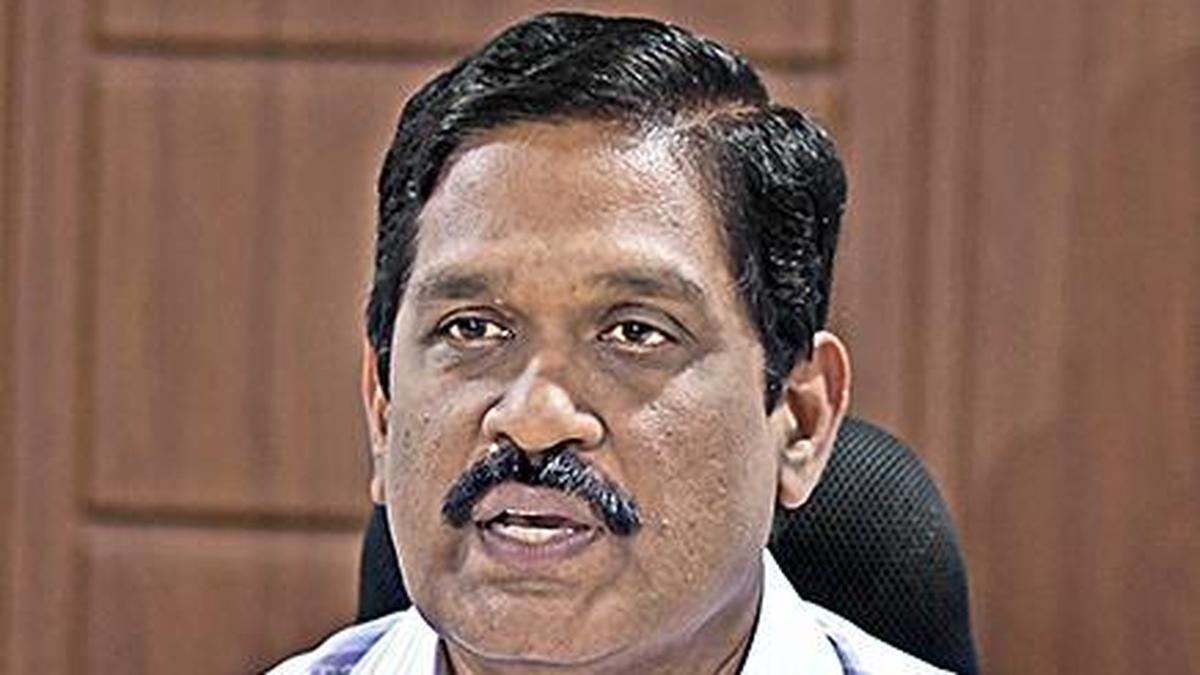
M.T. Krishna Babu, Special Chief Secretary, Transport.
| Photo Credit: File Photo
There is no truth in reports being circulated in certain sections that induction of electric buses in the APSRTC fleet will result in privatisation of the public transport organisation, asserts M.T. Krishna Babu, Special Chief Secretary, Transport and Roads and Buildings.
Such reports were misleading and far from facts, Mr. Krishna Babu said in a statement on Sunday.
Referring to the PM eBus Sewa scheme launched by the Government of India to promote clean, environment-friendly and sustainable urban public transport across the country, Mr. Krishna Babu said under this scheme, around 10,000 electric buses were proposed to be introduced in various cities across India.
“The buses under this scheme are being introduced under the Gross Cost Contract (GCC) model and this is not a new policy. APSRTC has already introduced 100 electric buses under the GCC model in 2021 under the Centre’s FAME-II scheme. These buses are presently operating successfully on Tirupati–Tirumala, Tirupati–Nellore, Tirupati–Kadapa and other routes,” he said.
Mr. Krishna Babu said Andhra Pradesh had now been allotted 750 electric buses under the PM eBus Sewa scheme. The Centre, however, had sanctioned another 300 electric buses exclusively for operation on the Tirupati–Tirumala route, he informed.
He said the Centre was extending substantial financial assistance under this scheme by providing 60% grant for civil infrastructure and 100% grant for electrical infrastructure. A grant of ₹145.39 crore had been sanctioned for creating charging and maintenance infrastructure facilities for 750 electric buses, he added.
“APSRTC is expected to receive incentives amounting to nearly ₹1,774 crore under the scheme, as the Centre will provide incentives of ₹24 per km for every 12-metre bus and ₹22 per km for every 9-metre bus,” he explained.
Asserting that introduction of electric buses would help reduce environmental pollution, fuel expenditure and maintenance costs in the long run, Mr. Krishna Babu said it would also provide better passenger comfort, modern amenities and improved operational efficiency.
He clarified that introduction of electric buses would not adversely affect employees in any manner. “The Chief Minister has already made it clear that no employee will be retrenched on account of induction of electric buses or implementation of the GCC model,” he said, adding that wherever necessary, a “Dry Lease Model” might be considered in future to further safeguard employees’ interests.
“The government is commitment to providing safe, affordable, efficient and environment-friendly transport services to the people through APSRTC and fully protecting the interests of its employees,” he said.
Published – May 18, 2026 12:48 am IST