3 min readNew DelhiMay 27, 2026 03:00 AM IST
In a rare intervention, the Haryana government on Tuesday released 979.5 cusecs of additional water to the Capital from the Yamuna after its Delhi counterpart approached it in the wake of an emerging supply crisis caused by critically low water levels at the Wazirabad pond and rising demand amid the prevailing heat.
Senior Delhi government officials said 442.94 cusecs was received through the Carrier Lined Channel (CLC) while another 536 cusecs reached Delhi through the Delhi Sub Branch (DSB) system as of 8 pm on Tuesday.

The CLC and DSB are two major systems through which water from Haryana is transferred to Delhi for treatment and distribution across the Capital.
On Tuesday, The Indian Express had reported that the Delhi government has sought additional water from Haryana for four weeks to avoid additional supply cuts amid a fall in the water levels at the Wazirabad pond.
“Water was released specifically to address the ongoing supply stress,” said a senior official in Delhi.
A senior official from Haryana’s Water Resources and Irrigation department maintained that the releasing water for Delhi was being treated as a priority. “It is a humanitarian need… and it’s Delhi,” the official said.
Officials said this is only the second time such a request from Delhi has been accommodated. In October last year, Haryana had diverted nearly the entire discharge from Hathnikund Barrage into the Yamuna river during Chhath Puja to improve river conditions for devotees.
Story continues below this ad
At the time, canal outflows through the Western and Eastern Yamuna canals were sharply reduced while freshwater discharge into the Yamuna channel flowing through Delhi was increased for several days — an unusual move officials had then described as a temporary sacrifice to support festival-related needs in the Capital.
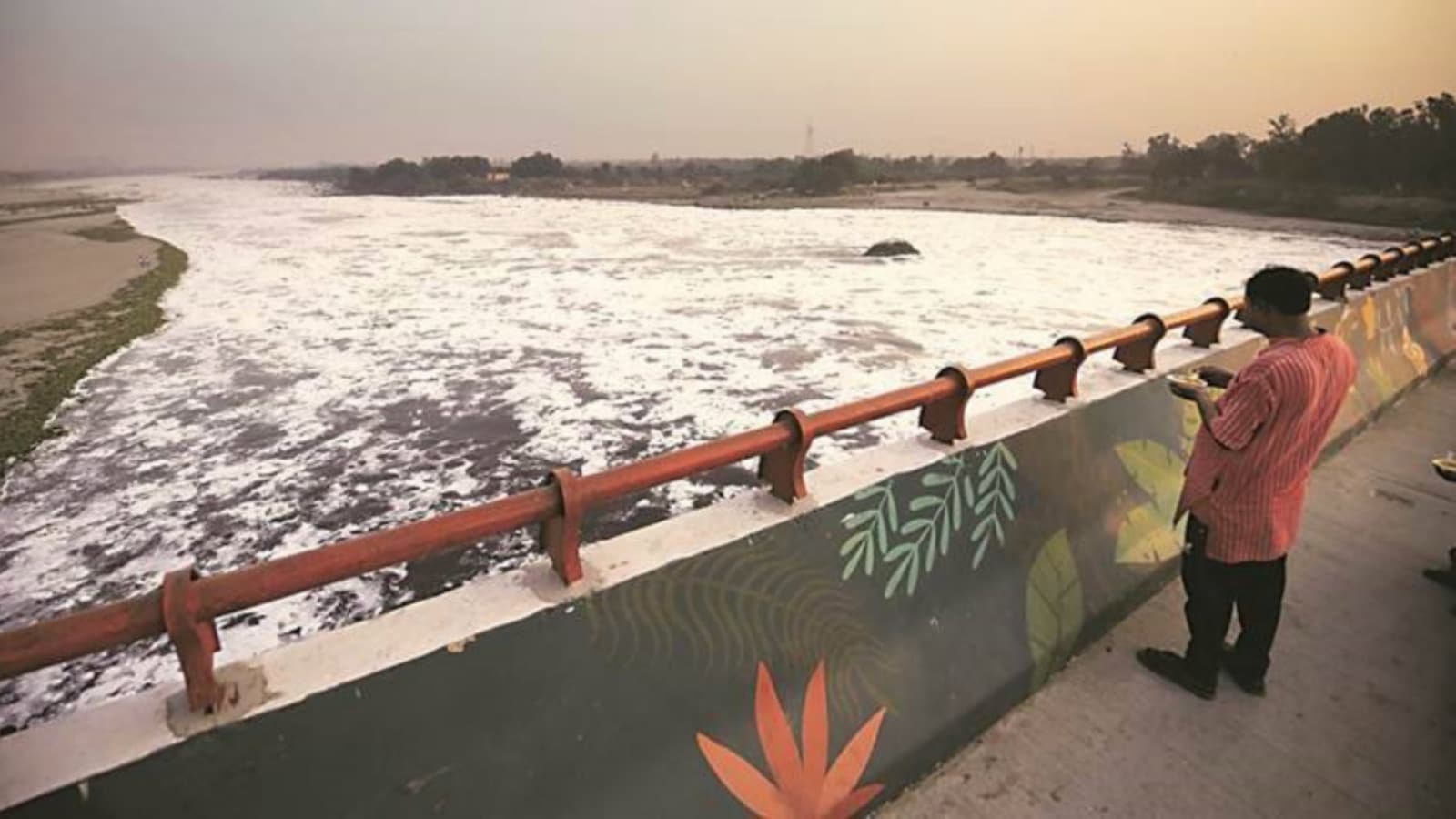
According to Delhi Jal Board officials, the water level at the Wazirabad pond — the primary reservoir that stores Yamuna water before treatment and distribution — had fallen to 668.7 feet on Monday, significantly below the standard operational level of 674.5 feet required for normal functioning of water treatment plants (WTP).
The falling level has affected production at key WTPs, particularly Wazirabad and Chandrawal plants. Officials said the Wazirabad WTP had curtailed production by nearly 34%, making it the worst-hit among Delhi’s nine treatment plants this season. While most other WTPs are functioning at around 10% reduced output, only the Sonia Vihar and Bhagirathi plants are currently operating optimally, officials had said.
Delhi requires nearly 1,250 million gallons per day of water during peak summer months.
Story continues below this ad
Officials said authorities have been diverting water from the Haiderpur canal system and rationalising supply in affected areas to minimise disruption in the Capital. Water tankers were also deployed in areas facing low pressure and short supply, particularly tail-end localities.
Officials had earlier indicated that Delhi receives around 1,050 cusecs through the Haryana, Bhakra and Yamuna systems, and that an additional 250 cusecs could substantially ease the immediate stress.
Haryana officials, meanwhile, have pointed to longstanding transmission losses and pending infrastructure issues between the Hathnikund canal system and Delhi’s Munak network.
Senior officials had said nearly 800 cusecs of water is lost in transmission and that a parallel carrier system project between Jagadhri in Haryana and Munak has remained delayed for years despite substantial expenditure.