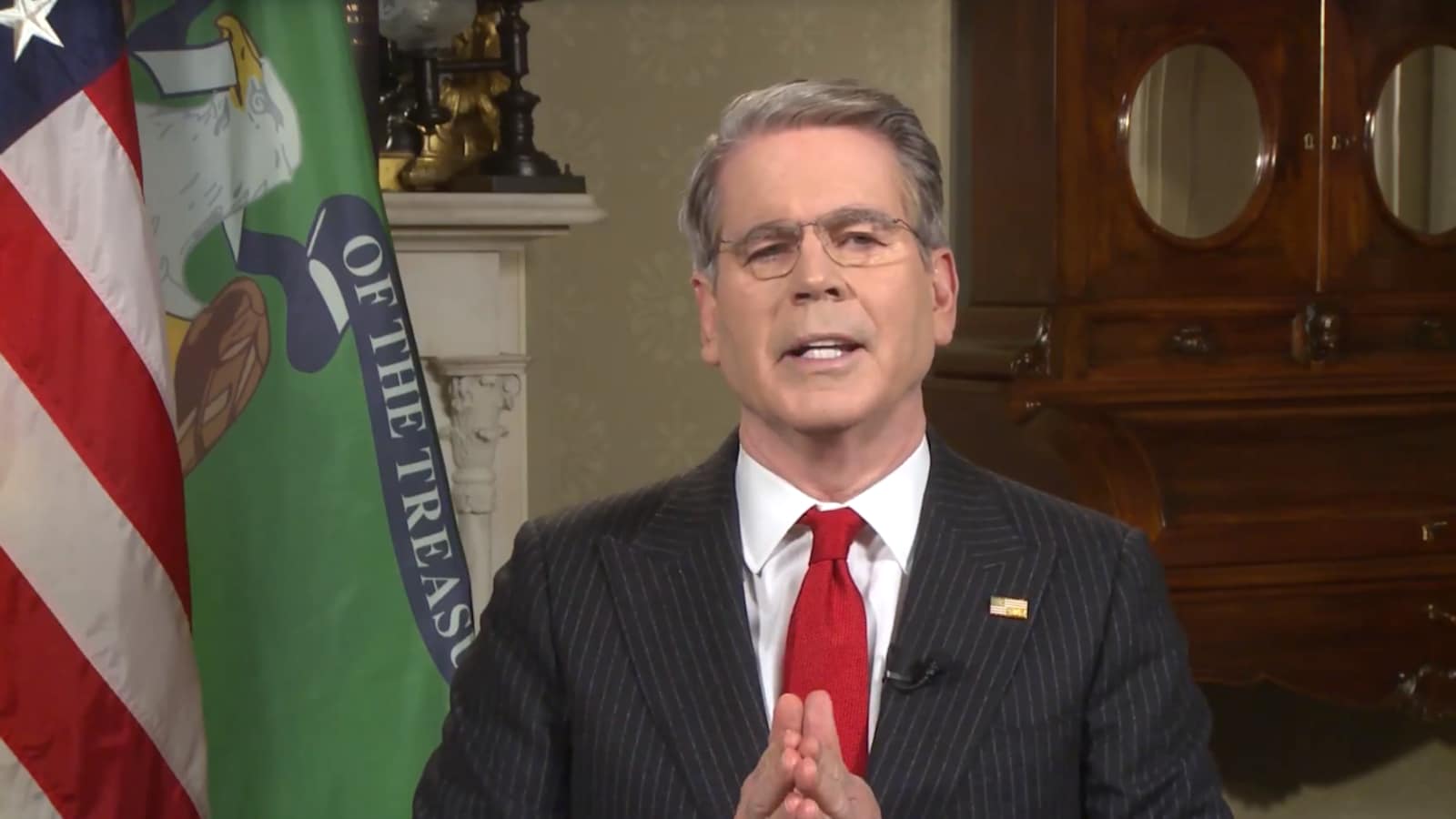
US Treasury Secretary Scott Bessent on Thursday threatened to target ally Oman if it helped impose a tolling system in the key Strait of Hormuz, warning of sanctions against all parties involved in such actions.
“Oman, in particular, should know that the US Treasury will aggressively target any actors involved — directly or indirectly — in facilitating tolls for the Strait and any willing partners will be penalized,” Bessent warned in a post on X.
He said the United States would “not tolerate any effort to impose a tolling system in the Strait of Hormuz,” a reference to Iranian proposals to do so as part of a potential agreement with Washington.
Bessent later told a White House press briefing that he spoke with the Omani ambassador earlier Thursday, and received assurances that “there were no plans for tolling” the critical waterway.
“I told him that this was a non-starter and he did not want to risk either the Oman individuals or Omani financial institutions getting sanctioned,” Bessent said.
The strait, through which about a fifth of the world’s energy supplies normally passes, has been a flashpoint since the United States and Israel launched the war on Iran in late February.
Tehran’s retaliatory actions have engulfed the region in violence and seen Iran virtually block the strait, sending global energy and fertilizer prices soaring.
Oman had mediated talks between Washington and Tehran in Geneva before the war, and has itself come under attack from Iran.
On Wednesday, US President Donald Trump appeared to threaten Oman when asked about a possible short-term arrangement allowing it and Iran to control Hormuz, saying he would “blow them up” if Muscat did so.
The White House did not immediately respond when asked by AFP if Trump had misspoken and had intended to refer to Iran rather than its ally Oman.
Thursday’s threat by Bessent came hours after the Treasury sanctioned Iran’s “Persian Gulf Strait Authority,” Tehran’s new agency that collects fees for transiting the strait.
Washington extended the threat of sanctions to anyone paying the fees, because they “may be providing support to and receiving services from” Iran’s Revolutionary Guards, and therefore may “be exposed to sanctions risk.”
On Thursday, the United States and Iran accused each other of violating an ongoing truce following an exchange of fire, the most serious salvos since they agreed to a ceasefire in April.
The two countries have been locked in weeks-long indirect talks through mediators to bring the conflict to an end, so far to no avail.
(Except for the headline, this story has not been edited by NDTV staff and is published from a syndicated feed.)