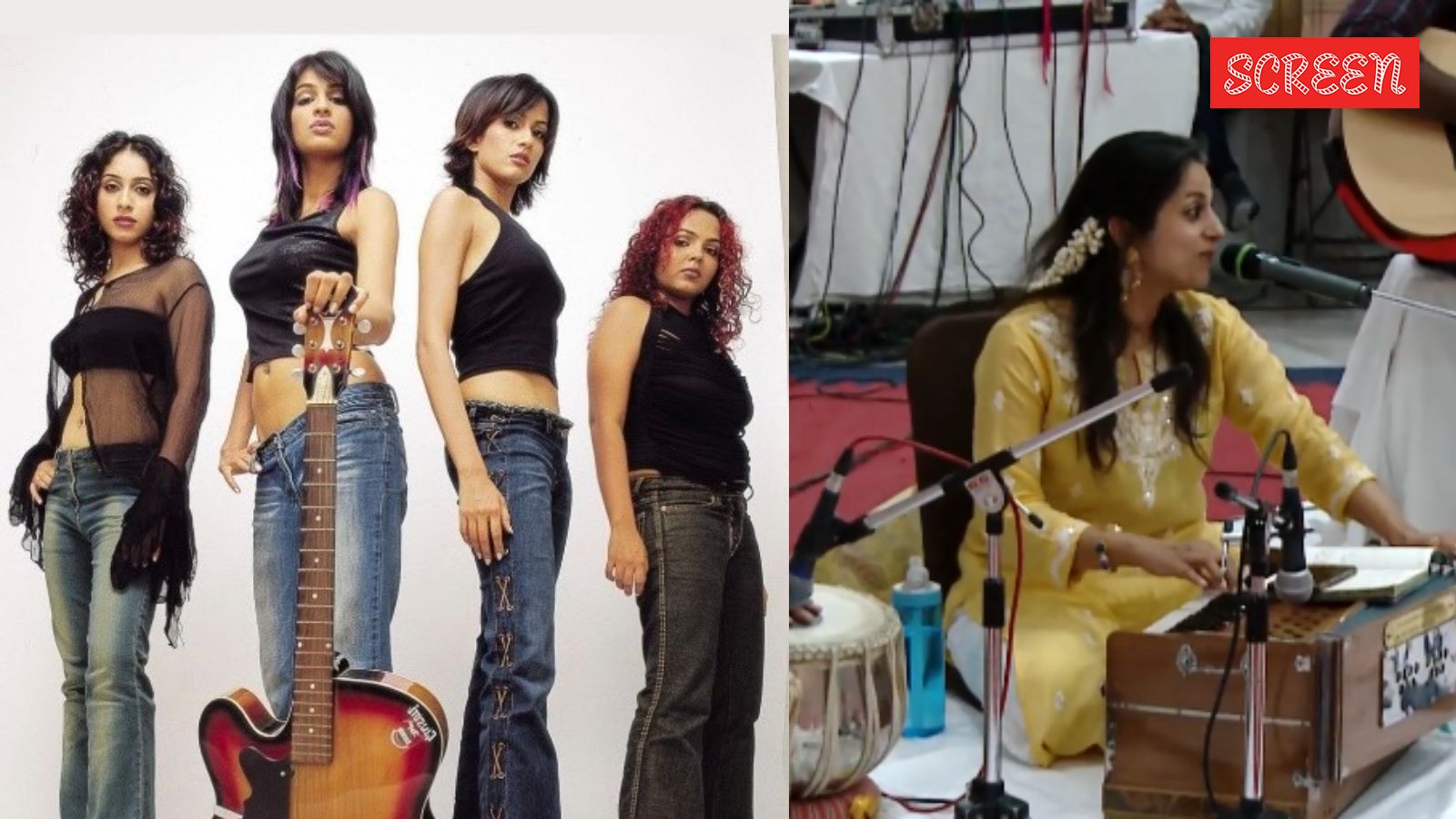
In the early 2000s, five young women changed the face of Indian pop music forever. Known collectively as Viva, Neha Bhasin, Anushka Manchanda, Seema Ramchandani, Pratichee Mohapatra, and Mahua Kamat rose to fame through a nationwide talent hunt to form India’s first all-girl pop band. The 45-day audition process, spanning six cities and televised as a reality show, captivated millions. Viewers watched as five girls were selected from thousands of hopefuls, giving birth not only to a band but also to India’s first major reality-show success story, which aired on Channel V. For many millennials, Viva was their first taste of modern pop culture.
‘India’s first all-girl band’
The girls underwent rigorous training in full public view. There were vocal lessons, intense dance rehearsals, media grooming sessions, and personality development workshops. What emerged was more than just a musical act. Viva represented a new generation of Indian women—confident, ambitious, diverse, and unapologetically visible. Their songs resonated with young audiences, particularly women, and challenged conventional ideas of femininity. Viva brought a fresh sense of empowerment to Indian pop music. Soon, they were everywhere—on television, magazine covers, newspaper headlines, and radio playlists. Their debut album sold more than half a million copies. “More than Devdas,” Neha Bhasin recalled in an interview with The Hollywood Reporter India, highlighting the band’s extraordinary popularity at the time.

Seema Ramchandani, the fifth Viva girl who left the band
But just when it seemed that India had found its definitive girl band, cracks began to appear. News broke that Seema Ramchandani was leaving Viva. The announcement, later confirmed by Channel V, shocked fans across the country. Today, Seema works as a English and Music teacher. However, her departure from Viva remains one of the most talked-about moments in the band’s history.
Seema left the group to pursue courses with the Art of Living Foundation and train as a teacher. While the decision was deeply personal, it left fans heartbroken. Neither Channel V nor the remaining band members publicly discussed the matter in detail. Almost overnight, Viva became a four-member group. Album covers changed, performances continued, and it was almost as if the fifth member had never existed.
Addressing Seema’s departure at the time, the band’s manager Lydia Fernandes told The Times Of India in November 2002, “I don’t know whether she received offers to go solo, but she left Viva because she wanted to pursue the Art of Living course, which she was deeply attached to and wished to complete as a teacher.”
According to Fernandes, Seema had requested a 20-day break from the band’s demanding tour and rehearsal schedule. The request reportedly led to disagreements, eventually resulting in the termination of her contract. “Seema signed an 18-month contract with the channel, which expires next November (2023). There were too many clashes, so it made sense to end the contract,” she explained.
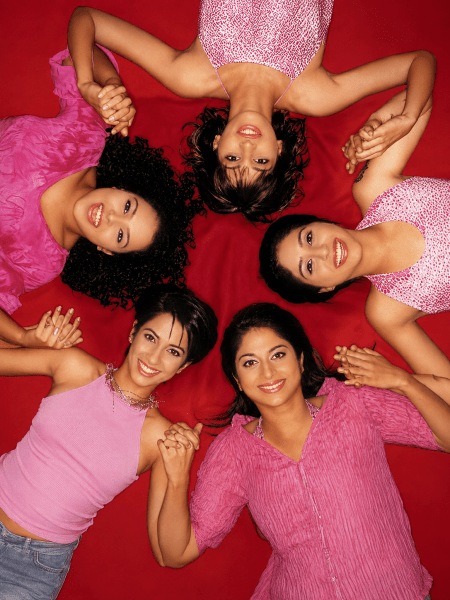 The Viva Band was formed in 2002. (Photo: Pratichee/Instagram)
A replacement was sought, but the original band opposed it
Fernandes also confirmed that Viva would continue as a four-member act and would not seek a replacement. “They have already performed as a four-member group and have been practicing without Seema for some time. They still sound really good, so there is no need for a replacement.”
Story continues below this ad
However, reports later suggested that the remaining members were reluctant to bring in a fifth girl.
Following Seema’s exit, Channel V reportedly turned to a shortlist of reserve contestants from the original auditions. One of them was 18-year-old Umang, who was urgently called to Mumbai.
“I was told it would be a simple get-together,” Umang later recalled in a chat with TOI. “When I reached Juhu, I was informed that Seema was leaving and they wanted me to replace her.” Her excitement, however, was short-lived. “They went upstairs to discuss the replacement with the four existing members. There was shouting, arguing, and even tears. It went on for nearly four hours. Eventually, I was told it wouldn’t work out and was sent home.”
Later, STAR TV CEO Sameer Nair clarified that the decision to continue as a four-member group was not solely the band’s choice but also involved senior executives at the network.
Story continues below this ad
Seema Ramchandani announced her solo album
Soon after, reports emerged that Seema was preparing to release a solo album, prompting concern within Channel V.
“We have heard she is working on an album, but that it is devotional in nature. If it is commercial, it would amount to a breach of contract,” Channel V’s vice-president of communications, Keertan Adhyarta, told India Today at the time.
Interestingly, all seven albums Seema eventually released outside Viva were devotional projects. Today, she continues to perform spiritual music. She has also launched an initiative called Sing With Seema, which aims to promote educational learning through music, chants, and songs.
![VIVA girls band members Seema Ramchandani, Mahua Kamat, Pratichee Mohapatra and Anushka Manchanda with the Kasauti Zindagi Ki actor Sikandar Kharbanda on the sets Coke [V] Popstar Ka Naya Funda. Express archive photo 2003](https://images.indianexpress.com/2026/05/ch1811003.jpg?resize=600,409) VIVA girls band members Seema Ramchandani, Mahua Kamat, Pratichee Mohapatra and Anushka Manchanda with the Kasauti Zindagi Ki actor Sikandar Kharbanda on the sets Coke [V] Popstar Ka Naya Funda. Express archive photo 2003
VIVA girls band members Seema Ramchandani, Mahua Kamat, Pratichee Mohapatra and Anushka Manchanda with the Kasauti Zindagi Ki actor Sikandar Kharbanda on the sets Coke [V] Popstar Ka Naya Funda. Express archive photo 2003
In 2003, Viva came to an end
Ironically, Viva itself would not last much longer. Just two years after becoming a national phenomenon, the band quietly disbanded. For years, the members remained silent about what had happened behind the scenes.
Story continues below this ad
Reflecting on the experience recently, the band members told The Hollywood Reporter, “We were also on very extensive contracts. After the band split, we had to think carefully about what we could and couldn’t say.”
One of the rare glimpses into the band’s internal dynamics came during an appearance by Mahua Kamat and Anushka Manchanda on Pooja Bedi’s talk show Just Pooja. “It was internal,” Mahua began before catching herself. “One of the girls wanted out at the last minute, which kind of…” Before she could continue, Anushka interrupted, saying, “This is the first time we are talking about this.”
Mahua then explained that despite the challenges, the remaining members chose to continue together under Channel V’s support and eventually received permission to use the Viva name independently.
‘We fought everyday’
The reality-show experience itself was far from glamorous. “It was crazy,” Anushka recalled. “Put five strangers together in one penthouse and there are bound to be clashes. We fought every day—over food, doors, the geyser, everything.”
Story continues below this ad
Mahua painted an even tougher picture. “We weren’t allowed to meet anyone. There were countless restrictions. We would wake up at six in the morning, go to the gym, have five almonds for breakfast, spend hours working out and dancing, and then be filmed constantly. We became exhausted and fell sick, but were simply pushed harder.”
Despite the hardships, Viva’s impact remains undeniable.
When Viva thrived
Their first major concert in Delhi after the show drew an audience of more than 50,000 people. More than two decades later, songs such as “Jaago Zara Savera Ho Gaya” and “Hum Geet Naye Sunaaye” continue to evoke nostalgia among fans. During their training, the band worked with some of India’s most celebrated names in music and entertainment, including Jatin-Lalit, Shankar-Ehsaan-Loy, Salim-Sulaiman, Shantanu Moitra, Raju Singh, Taufiq Qureshi, Javed Akhtar, and Shabana Azmi.
Viva recorded two albums before going their separate ways. Though the band lasted only a few years, its legacy endures as a pioneering force that introduced reality television, girl-power pop, and a new generation of female performers to Indian audiences.