5 min readNew DelhiJun 5, 2026 10:00 PM IST
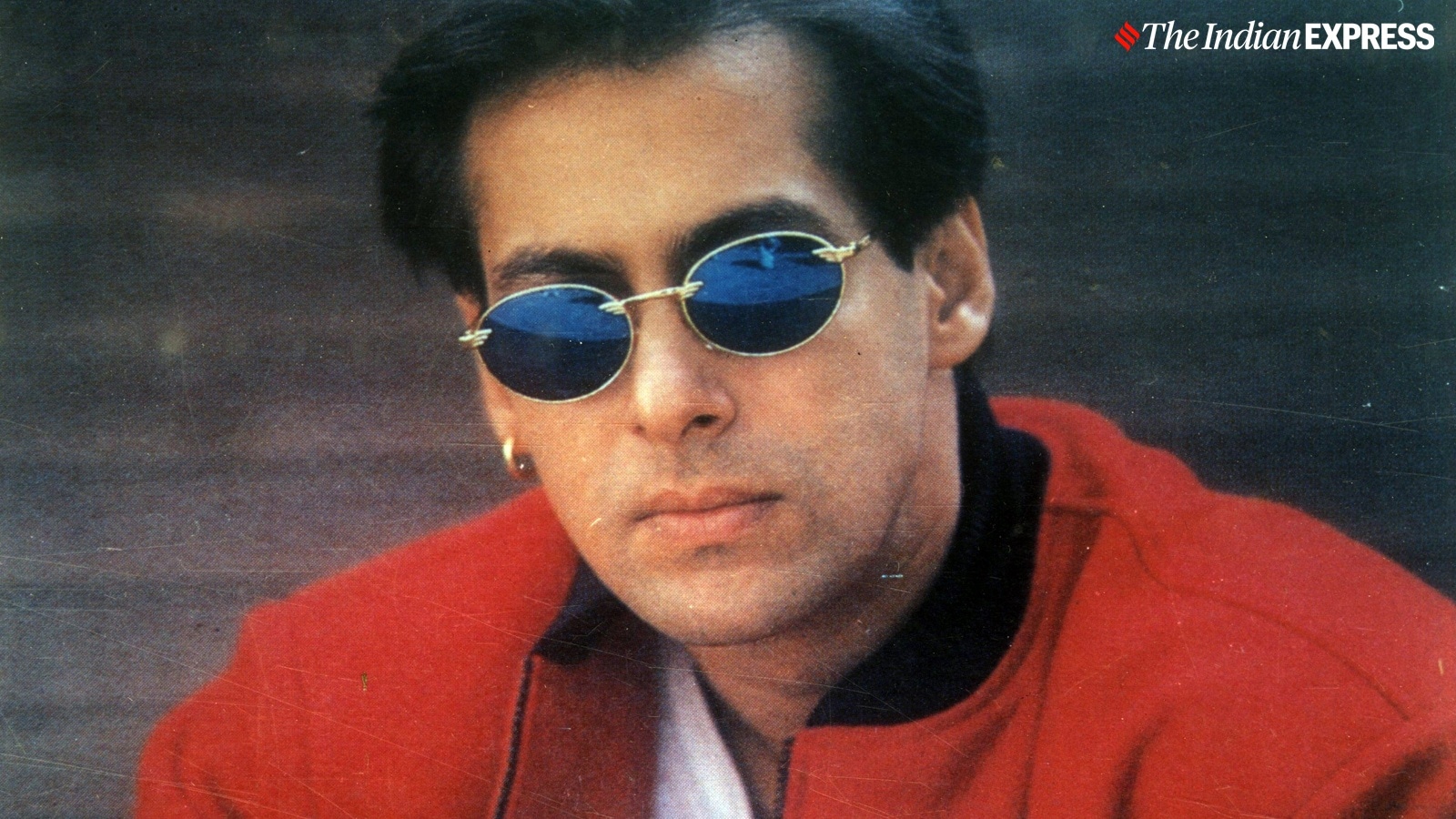
Over the years, Salman Khan has built a reputation for performing physically demanding action sequences, often pushing his body through intense stunts.
Speaking in an interview with Variety India, he opened up about the fear, pressure, and unpredictability involved in performing high-risk stunts. Recalling a terrifying incident while shooting for Jaagruti in Udupi, he described being asked to leap off an 80-foot-high mountain. “There was an 80-foot mountain with a stomach. So when I saw it from down, I thought, yeah, I can do this jump. Earlier, we used to get like one or two boxes to jump on, but this jump was a high jump. Like, so they put three layers of boxes for me and a mattress on top. So I said, ‘I’ve arrived now,’ and climbed up. From there, I couldn’t see the boxes because the stomach was there. I had to jump based on my judgment,” he recalled.

DISCLAIMER: This article is based on information from the public domain and/or the experts we spoke to. Always consult your health practitioner before starting any routine.
Salman admitted that once he reached the top, the reality of the risk became overwhelming. “I was not going to do that jump, but the crowd had already gathered there. So then, going all the way down and saying that I will not do this jump would have proved to be very bad for my ego. So, I told myself I had to clear this, and I knew the boxes were somewhere down there. When I looked at the boxes, it looked like a matchbox from that height. I had to jump, so I took a run-up, came, and slipped on the gravel. My hair grazed the rock of the mountain, and I fell down,” he said.
The actor also recounted another frightening accident during the filming of Patthar Ke Phool near Mount Mary in Mumbai. The stunt required him to skate at high speed and leap over stacked boxes. “Then I said, I’m going to do this once again. The camera was on the road on Mount Mary. So I had to come all the way from there, there’s a building called Balmoral Hall, so from there I started skating. And I realised I had gathered too much speed, and I was going to cross everything. So I took that jump, and I could see the boxes going by. Then I could see the road, and I landed in a ditch right next to the camera. And after that, I couldn’t breathe for about a minute and a half because of the impact on my back,” Salman shared.
Why do people sometimes take physical risks despite fear or obvious danger?
Psychologist Rasshi Gurnani tells indianexpress.com, “People often take physical risks not because they are fearless, but because social pressure activates a strong psychological need to preserve identity, status, and self-image. In high-visibility professions, especially in entertainment or sports, there is often an unconscious association between bravery and self-worth. Backing out can feel emotionally more threatening than the physical danger itself.”
When a person feels they are being watched, judged, or expected to perform, Gurnani adds that the brain can prioritise reputation over safety. In such moments, adrenaline and performance conditioning can suppress fear signals temporarily, leading individuals to underestimate risk. There is also a phenomenon called “optimism bias,” where people believe serious harm is less likely to happen to them personally, even when the danger is obvious.
Story continues below this ad
When determination becomes unhealthy risk-taking
Determination becomes unhealthy risk-taking when a person stops listening to their body’s warning signals and begins normalising pain, exhaustion, or fear. In high-pressure professions, Gurnani says, people are often rewarded for endurance and resilience, which can blur the line between commitment and self-neglect.
One important psychological marker is when performance starts becoming tied to self-worth. At that point, resting or stepping back may feel like weakness, failure, or loss of identity. This mindset can lead to burnout, emotional detachment, impaired decision-making, and dangerous overconfidence.
“Adrenaline also plays a major role in clouding judgment. During high-stress or high-performance situations, adrenaline increases alertness and temporarily reduces the perception of pain and fear. While this helps the body respond quickly in dangerous moments, it can also create a false sense of capability. People may continue despite serious physical strain because the brain is chemically focused on immediate survival or success rather than long-term consequences. Once the adrenaline drops, the true physical and psychological impact often becomes more apparent,” concludes Gurnani.
DISCLAIMER: This article is based on information from the public domain and/or the experts we spoke to. Always consult your health practitioner before starting any routine.